Clinical Knowledge › Internal medicine › Endocrinology › Relevant pharmacology
GLP-1 receptor agonists
Glucagon-like peptide-1 (GLP-1) receptor agonists mimic the gut incretin hormone. They increase insulin secretion only when glucose is raised, suppress glucagon, slow gastric emptying and act on the hypothalamus to reduce appetite. The class includes liraglutide (daily), dulaglutide and semaglutide (weekly injections), oral semaglutide, and tirzepatide, a dual GIP/GLP-1 receptor agonist. They lower HbA1c by about 11–22 mmol/mol (1–2%) and body weight by 5–15% or more, with little hypoglycaemia on their own. Cardiovascular outcome trials (LEADER, SUSTAIN-6, REWIND, SOUL) showed fewer major adverse cardiovascular events; SELECT extended this to people with obesity and cardiovascular disease without diabetes, and FLOW showed slower kidney disease progression. The ADA Standards of Care 2026 place them first-line for type 2 diabetes with atherosclerotic disease or obesity, independent of HbA1c. The main problems are nausea, vomiting and constipation, managed by slow dose escalation; rarer risks are gallstones, pancreatitis, dehydration-related AKI, retinopathy worsening with rapid glucose fall, and aspiration risk around anaesthesia. They are avoided in pregnancy and with a history of medullary thyroid cancer or MEN2.
Patient case, mechanism, investigations, management, flashcards and exam-style questions.Open the lesson →
Key facts
- Incretin effect: glucose-dependent insulin release and glucagon suppression, so hypoglycaemia is rare unless combined with insulin or a sulfonylurea
- Slowed gastric emptying and central satiety cause weight loss and most of the gastrointestinal adverse effects
- HbA1c falls about 11–22 mmol/mol (1–2%); weight loss about 5–15% (tirzepatide up to about 20% at obesity doses)
- Proven MACE reduction: liraglutide (LEADER), semaglutide (SUSTAIN-6, SELECT, oral SOUL), dulaglutide (REWIND); tirzepatide noninferior to dulaglutide (SURPASS-CVOT)
- FLOW (2024): semaglutide reduced major kidney events by about 24% in type 2 diabetes with CKD
- Start low and escalate every 4 weeks: semaglutide 0.25 → 0.5 → 1 mg weekly; tirzepatide 2.5 mg, rising by 2.5 mg steps (teaching doses; check local formulary)
- Avoid with personal or family history of medullary thyroid cancer or MEN2, in pregnancy, and with a DPP-4 inhibitor
- Stop if acute pancreatitis is suspected; do not restart if confirmed
Differential diagnosis
| Condition | Clues | Key test |
|---|---|---|
| Expected gastrointestinal adverse effects | Nausea after dose increase, settles in days to weeks | Clinical; review escalation |
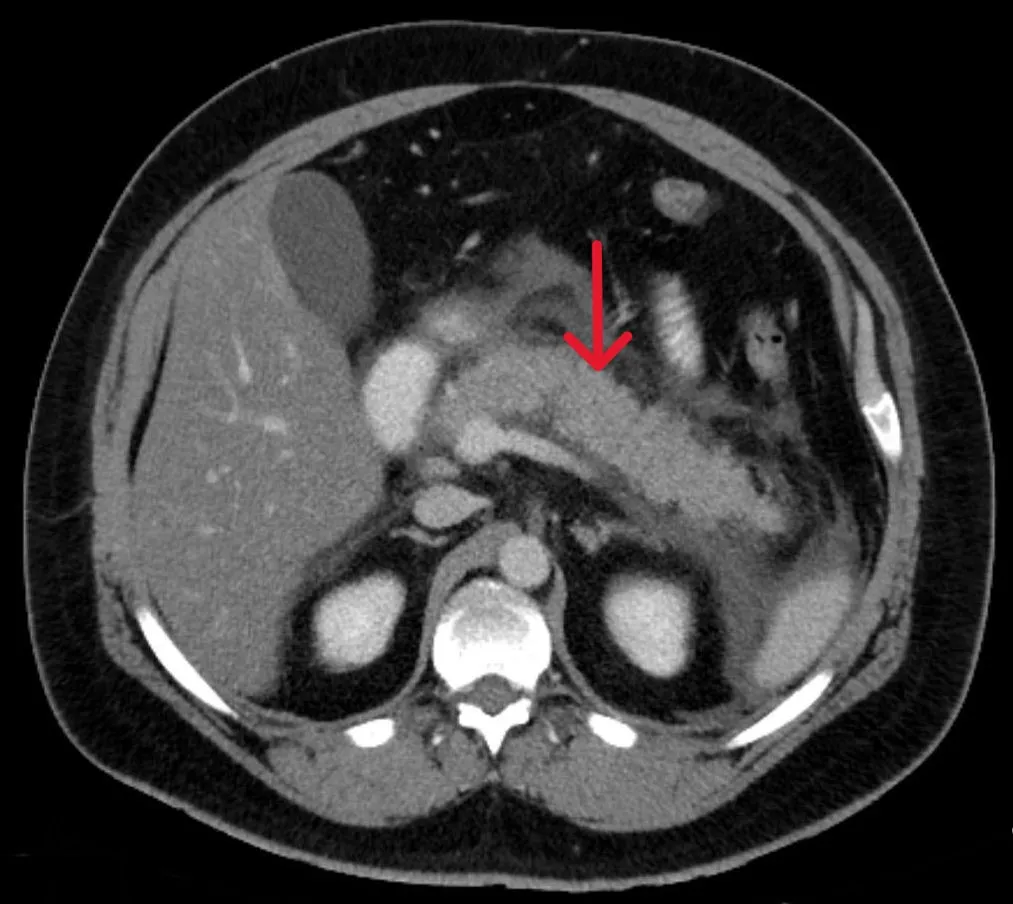
| Acute pancreatitis | Severe epigastric pain radiating to the back, vomiting | Serum lipase or amylase above 3 times normal; CT if unclear |
| Acute cholecystitis or biliary colic | Right upper quadrant pain after rapid weight loss | Ultrasound of gallbladder |
| Prerenal AKI | Persistent vomiting or diarrhoea, dehydration | Creatinine, urea, volume assessment |
| Bowel obstruction or severe constipation | Distension, absolute constipation | Abdominal examination, X-ray or CT |
| Gastroparesis from diabetic autonomic neuropathy | Early satiety and vomiting predating therapy | Gastric emptying study |
| Hypoglycaemia from co-prescribed drugs | Sweating, confusion on insulin or sulfonylurea | Capillary glucose; reduce co-medication |
Exam pearls
Guideline
ADA Standards of Care in Diabetes 2026 (Sections 8, 9 and 10) with the ADA/EASD 2022 consensus on hyperglycaemia in type 2 diabetes
References
- American Diabetes Association Professional Practice Committee. Standards of Care in Diabetes—2026. Diabetes Care 2026.
- Davies MJ, Aroda VR, Collins BS, et al.. Management of hyperglycaemia in type 2 diabetes, 2022. A consensus report by the ADA and the EASD. Diabetes Care 2022.
- Marso SP, Daniels GH, Brown-Frandsen K, et al.. Liraglutide and cardiovascular outcomes in type 2 diabetes. N Engl J Med 2016.
- Marso SP, Bain SC, Consoli A, et al.. Semaglutide and cardiovascular outcomes in patients with type 2 diabetes. N Engl J Med 2016.
- Lincoff AM, Brown-Frandsen K, Colhoun HM, et al.. Semaglutide and cardiovascular outcomes in obesity without diabetes. N Engl J Med 2023.
- Perkovic V, Tuttle KR, Rossing P, et al.. Effects of semaglutide on chronic kidney disease in patients with type 2 diabetes. N Engl J Med 2024.
Related topics
By Dr Khalid Seidi (B.Sc., M.D.) · MedEd World Clinical Knowledge library. Original teaching content checked against current guidelines (November 2026); confirm the latest local guidance before clinical use. Not a substitute for clinical judgement.