Clinical Knowledge › Internal medicine › Endocrinology › Relevant pharmacology
DPP-4 inhibitors
Dipeptidyl peptidase-4 (DPP-4) inhibitors ('gliptins') are oral once- or twice-daily drugs for type 2 diabetes. By blocking the enzyme that breaks down GLP-1 and GIP, they roughly double active incretin levels, increasing insulin and suppressing glucagon only when glucose is high. They lower HbA1c by about 5–9 mmol/mol (0.5–0.8%), are weight neutral and rarely cause hypoglycaemia unless combined with a sulfonylurea or insulin. Cardiovascular outcome trials (SAVOR-TIMI 53, EXAMINE, TECOS, CARMELINA, CAROLINA) showed safety but no cardiovascular or kidney benefit, and saxagliptin increased heart failure admissions. Current ADA 2026 and NICE NG28 guidance therefore prefers SGLT2 inhibitors and GLP-1 receptor agonists when heart, kidney or weight benefits are needed, and keeps gliptins for people who need modest, well-tolerated glucose lowering, especially older or frail adults. All except linagliptin need dose reduction in kidney impairment. Key risks are pancreatitis, bullous pemphigoid, arthralgia and angioedema.
Patient case, mechanism, investigations, management, flashcards and exam-style questions.Open the lesson →
Key facts
- DPP-4 inactivates GLP-1 and GIP within minutes; gliptins raise endogenous active incretins about 2–3-fold
- Glucose-dependent action: low hypoglycaemia risk alone, but reduce sulfonylurea dose when adding a gliptin
- HbA1c falls by about 5–9 mmol/mol (0.5–0.8%); weight neutral; oral, no titration
- Linagliptin is excreted mainly in bile and needs no dose change in kidney impairment; the others are reduced as eGFR falls
- Cardiovascular outcome trials were neutral for MACE; saxagliptin (SAVOR-TIMI 53) increased heart failure hospitalisation by about 27%
- Do not combine with a GLP-1 receptor agonist or tirzepatide: no added benefit
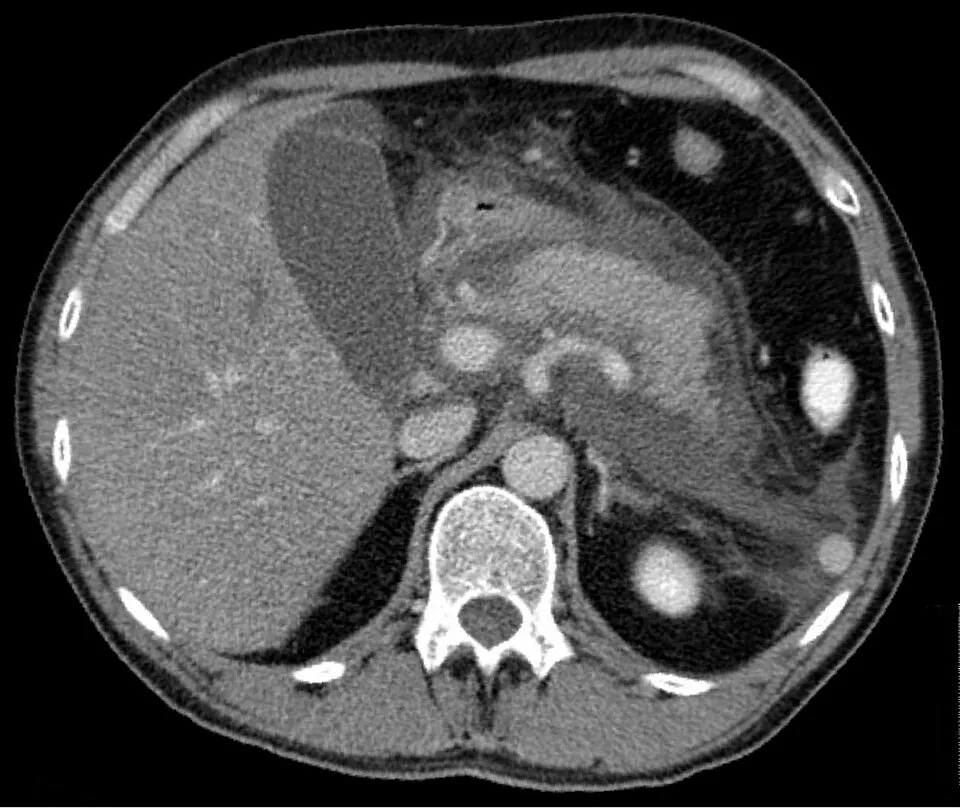
- Stop and do not restart if acute pancreatitis is suspected
- Bullous pemphigoid, arthralgia and ACE inhibitor-related angioedema are recognised class effects
Differential diagnosis
| Condition | Clues | Key test |
|---|---|---|
| Gliptin-associated acute pancreatitis | Epigastric pain radiating to the back, vomiting | Lipase above 3 × ULN, CT if unclear |
| Gallstone or alcohol pancreatitis | Same features; check other causes before blaming the drug | Ultrasound, triglycerides, alcohol history |
| Bullous pemphigoid from gliptin | Itchy tense blisters in an older patient within months of starting | Skin biopsy with direct immunofluorescence |
| ACE inhibitor angioedema | Lip and tongue swelling without urticaria | Clinical; both drugs reduce bradykinin breakdown |
| Heart failure decompensation | Breathlessness and oedema on saxagliptin or alogliptin | NT-proBNP, echocardiography |
| Hypoglycaemia from co-prescribed sulfonylurea | Sweating and confusion after adding a gliptin | Capillary glucose; reduce sulfonylurea |
Exam pearls
Guideline
ADA Standards of Care in Diabetes 2026 (Section 9) with the ADA/EASD 2022 consensus on hyperglycaemia in type 2 diabetes and NICE NG28 (current version)
References
- American Diabetes Association Professional Practice Committee. Standards of Care in Diabetes—2026. Diabetes Care 2026.
- Davies MJ, Aroda VR, Collins BS, et al.. Management of hyperglycaemia in type 2 diabetes, 2022. A consensus report by the American Diabetes Association (ADA) and the European Association for the Study of Diabetes (EASD). Diabetes Care 2022.
- National Institute for Health and Care Excellence. Type 2 diabetes in adults: management (NG28; first published 2015, regularly updated). NICE guideline NG28 2015.
- Scirica BM, Bhatt DL, Braunwald E, et al.. Saxagliptin and cardiovascular outcomes in patients with type 2 diabetes mellitus. N Engl J Med 2013.
- White WB, Cannon CP, Heller SR, et al.. Alogliptin after acute coronary syndrome in patients with type 2 diabetes. N Engl J Med 2013.
- Green JB, Bethel MA, Armstrong PW, et al.. Effect of sitagliptin on cardiovascular outcomes in type 2 diabetes. N Engl J Med 2015.
Related topics
By Dr Khalid Seidi (B.Sc., M.D.) · MedEd World Clinical Knowledge library. Original teaching content checked against current guidelines (November 2026); confirm the latest local guidance before clinical use. Not a substitute for clinical judgement.