Clinical Knowledge › Internal medicine › Rheumatology and immunology › Immunodeficiency
Chronic granulomatous disease
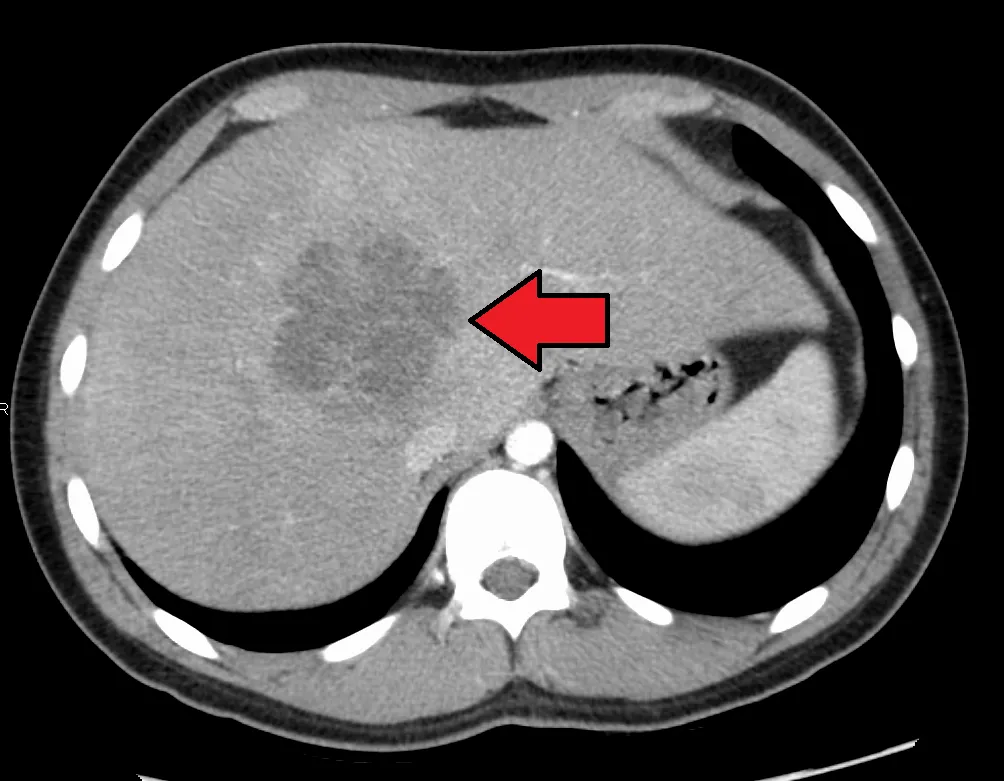
Chronic granulomatous disease (CGD) is an inherited defect of the phagocyte NADPH oxidase. Neutrophils and macrophages ingest microbes but cannot generate superoxide and downstream oxidants, so certain bacteria and fungi survive inside phagocytes. About two thirds of cases are X-linked (CYBB, gp91phox); the rest are autosomal recessive, most often NCF1 (p47phox), which is milder. Patients present in childhood with deep-seated abscesses and pneumonias caused by Staphylococcus aureus, Burkholderia cepacia complex, Serratia marcescens, Nocardia and Aspergillus, the leading cause of death. Exaggerated inflammation produces granulomas that obstruct the stomach or bladder and a Crohn-like colitis. The dihydrorhodamine (DHR) flow cytometry test is the diagnostic standard, followed by genetic testing. Lifelong co-trimoxazole and itraconazole prophylaxis, with interferon gamma in some centres, has transformed survival; haematopoietic cell transplantation cures most patients. X-linked carriers may develop lupus-like skin disease and, when few neutrophils are functional, infections.
Patient case, mechanism, investigations, management, flashcards and exam-style questions.Open the lesson →
Key facts
- Defective NADPH oxidase: phagocytes cannot make superoxide, hydrogen peroxide or hypochlorous acid
- X-linked CYBB (gp91phox) in about 65–70%; autosomal recessive NCF1 (p47phox) next commonest and milder
- Key organisms: S. aureus, Burkholderia cepacia complex, Serratia marcescens, Nocardia and Aspergillus
- Typical infections: pneumonia, liver abscess, lymphadenitis, osteomyelitis and skin or perirectal abscesses
- Inflammatory granulomas cause gastric outlet or urinary obstruction and Crohn-like colitis
- Diagnosis: abnormal DHR flow cytometry (replaces the nitroblue tetrazolium test); confirm by genetics
- Prophylaxis: co-trimoxazole plus itraconazole; interferon gamma-1b reduces serious infections
- HCT cures most; avoid anti-TNF agents for colitis because of severe infection risk
Differential diagnosis
| Condition | Clues | Key test |
|---|---|---|
| Leucocyte adhesion deficiency | Infections without pus, delayed cord separation, very high neutrophils | CD18 flow cytometry |
| STAT3 hyper-IgE syndrome | Staphylococcal abscesses and pneumonia with eczema and very high IgE | IgE, normal DHR, STAT3 genetics |
| Myeloperoxidase deficiency | Usually asymptomatic; occasional Candida infection | DHR may be falsely abnormal; MPO staining |
| Crohn disease | Granulomatous colitis and perianal fistula | DHR test in boys with early-onset or atypical IBD |
| Tuberculosis or sarcoidosis | Granulomas, lymphadenopathy | Mycobacterial culture, DHR, ACE |
| Cystic fibrosis | Burkholderia lung infection | Sweat chloride, CFTR genetics |
| Severe congenital neutropenia | Recurrent bacterial infection and ulcers | Persistently low neutrophil count |
Exam pearls
Guideline
IUIS classification of inborn errors of immunity (2024 update), ESID working definitions (2019) and key trials of CGD prophylaxis (interferon gamma 1991, itraconazole 2003) and HCT (2014)
References
- Poli MC, Aksentijevich I, Bousfiha AA, et al.. Human inborn errors of immunity: 2024 update on the classification from the International Union of Immunological Societies Expert Committee. J Hum Immun 2025.
- Seidel MG, Kindle G, Gathmann B, et al.. The European Society for Immunodeficiencies (ESID) Registry working definitions for the clinical diagnosis of inborn errors of immunity. J Allergy Clin Immunol Pract 2019.
- Gallin JI, Alling DW, Malech HL, et al.. Itraconazole to prevent fungal infections in chronic granulomatous disease. N Engl J Med 2003.
- International Chronic Granulomatous Disease Cooperative Study Group. A controlled trial of interferon gamma to prevent infection in chronic granulomatous disease. N Engl J Med 1991.
- Kuhns DB, Alvord WG, Heller T, et al.. Residual NADPH oxidase and survival in chronic granulomatous disease. N Engl J Med 2010.
- Güngör T, Teira P, Slatter M, et al.. Reduced-intensity conditioning and HLA-matched haemopoietic stem-cell transplantation in patients with chronic granulomatous disease: a prospective multicentre study. Lancet 2014.
Related topics
By Dr Khalid Seidi (B.Sc., M.D.) · MedEd World Clinical Knowledge library. Original teaching content checked against current guidelines (November 2026); confirm the latest local guidance before clinical use. Not a substitute for clinical judgement.