Clinical Knowledge › Obstetrics and gynaecology › Clinical problems
Chronic pelvic pain: approach to the patient
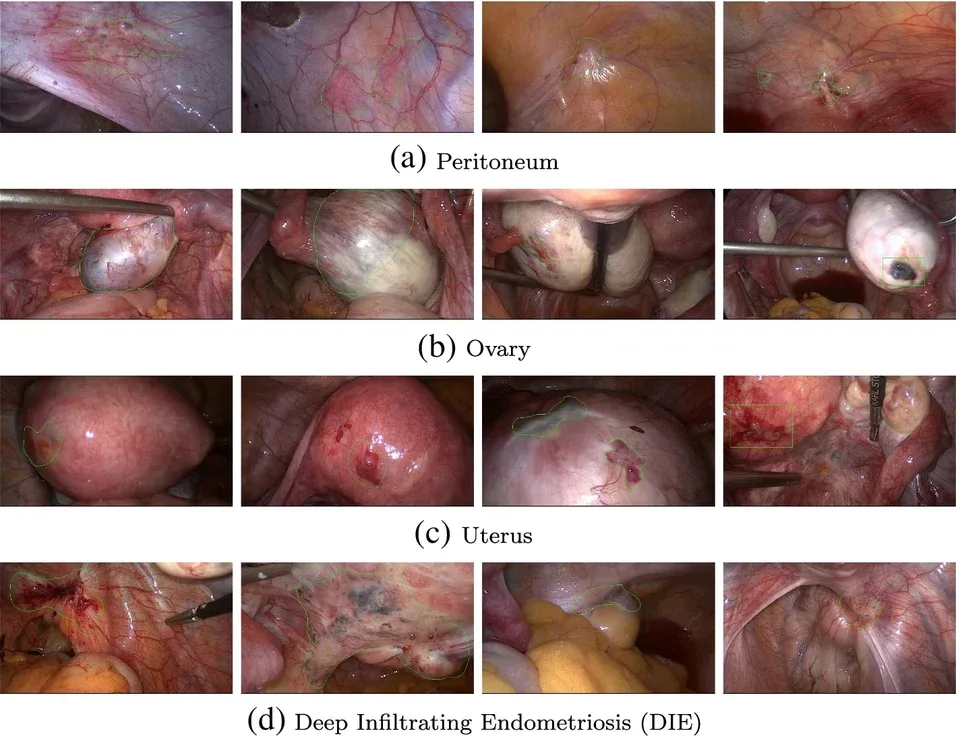
Chronic pelvic pain (CPP) is intermittent or constant pain in the lower abdomen or pelvis lasting at least 6 months, not occurring only with menstruation or intercourse and not associated with pregnancy. It affects roughly one in six women of reproductive age and is often multifactorial: endometriosis and adenomyosis, irritable bowel syndrome, bladder pain syndrome, musculoskeletal and pelvic floor dysfunction, nerve entrapment, adhesions and chronic infection may coexist, and central sensitisation, mood disorders and past trauma amplify pain. The approach is biopsychosocial from the first visit: a detailed history with a pain and symptom diary over 2–3 cycles, screening for red flags and for abuse, targeted examination, STI testing and transvaginal ultrasound. Normal imaging does not exclude endometriosis. Management combines explanation and shared goals, analgesia, a trial of hormonal suppression for cyclical pain, treatment of bowel and bladder components, pelvic floor physiotherapy and psychological therapy, with diagnostic laparoscopy and surgery for selected women.
Patient case, mechanism, investigations, management, flashcards and exam-style questions.Open the lesson →
Key facts
- CPP: pain in the lower abdomen or pelvis for at least 6 months, not only with periods or intercourse, and not related to pregnancy
- Affects roughly 15% of women; often several contributing conditions coexist
- Common contributors: endometriosis, adenomyosis, IBS, bladder pain syndrome, myofascial and pelvic floor pain, nerve entrapment, adhesions, chronic PID
- Keep a pain and symptom diary for 2–3 menstrual cycles to show cyclicity and links with bowel, bladder and sex
- Red flags: weight loss, postmenopausal or postcoital bleeding, rectal bleeding, new bowel habit change over 50, pelvic mass, haematuria
- Normal examination and ultrasound do not exclude endometriosis; MRI or laparoscopy if suspected and empirical treatment fails
- For cyclical pain, a 3–6-month trial of hormonal suppression (COC, progestogen or GnRH analogue) is reasonable before laparoscopy
- Gabapentin did not reduce pain in women with CPP and no obvious pathology (GaPP2, 2020); avoid long-term opioids
Differential diagnosis
| Condition | Clues | Key test |
|---|---|---|
| Endometriosis | Cyclical pain, severe dysmenorrhoea, deep dyspareunia, dyschezia, subfertility | Transvaginal ultrasound or MRI; laparoscopy with histology |
| Adenomyosis | Heavy painful periods, bulky tender uterus, parous woman in 40s | Transvaginal ultrasound or MRI |
| Irritable bowel syndrome | Pain relieved by defecation, bloating, altered bowel habit | Rome IV criteria; exclude coeliac disease and red flags |
| Bladder pain syndrome (interstitial cystitis) | Suprapubic pain with filling, frequency, urgency, sterile urine | Urinalysis and culture, frequency–volume chart, cystoscopy if indicated |
| Myofascial pain / pelvic floor dysfunction | Trigger points, pain on pelvic floor palpation, worse with posture | Examination; positive Carnett's sign for abdominal wall pain |
| Chronic PID or hydrosalpinx | Previous STI or PID, adnexal tenderness | NAATs, ultrasound |
| Nerve entrapment (ilioinguinal, pudendal) | Burning pain in a dermatomal area, often after Pfannenstiel incision; pain sitting | Clinical; diagnostic nerve block |
| Ovarian or colorectal malignancy | Age over 50, weight loss, bloating, change in bowel habit | CA-125, ultrasound, FIT or colonoscopy as per NICE NG12 |
Exam pearls
Guideline
RCOG Green-top Guideline No.41 Initial management of chronic pelvic pain (2012); ACOG Practice Bulletin 218 Chronic pelvic pain (2020); NICE NG73 Endometriosis (2017, updated 2024); ESHRE endometriosis guideline (2022); EAU chronic pelvic pain guidelines (updated annually, 2025)
References
- Royal College of Obstetricians and Gynaecologists (RCOG). The initial management of chronic pelvic pain (Green-top Guideline No. 41). RCOG 2012.
- American College of Obstetricians and Gynecologists (ACOG). Chronic pelvic pain: ACOG Practice Bulletin, Number 218. Obstet Gynecol 2020.
- National Institute for Health and Care Excellence (NICE). Endometriosis: diagnosis and management (NG73). NICE guideline 2017.
- Becker CM, Bokor A, Heikinheimo O, et al.. ESHRE guideline: endometriosis. Hum Reprod Open 2022.
- Horne AW, Vincent K, Hewitt CA, et al.. Gabapentin for chronic pelvic pain in women (GaPP2): a multicentre, randomised, double-blind, placebo-controlled trial. Lancet 2020.
- European Association of Urology (EAU). EAU Guidelines on Chronic Pelvic Pain. EAU 2025.
Related topics
By Dr Khalid Seidi (B.Sc., M.D.) · MedEd World Clinical Knowledge library. Original teaching content checked against current guidelines (November 2026); confirm the latest local guidance before clinical use. Not a substitute for clinical judgement.