Clinical Knowledge › Obstetrics and gynaecology › Clinical problems
Dyspareunia: approach to the patient
Dyspareunia is persistent or recurrent genital pain associated with sexual intercourse. It affects roughly 10–20% of women, many of whom do not volunteer it. The key distinction is site: superficial (entry) dyspareunia arises from the vulva and vaginal introitus, and deep dyspareunia is felt in the pelvis on deep penetration. Superficial causes include provoked vestibulodynia, genitourinary syndrome of menopause and lactational atrophy, infections (candida, herpes), dermatoses (lichen sclerosus, lichen planus), perineal scarring after childbirth, female genital mutilation and genito-pelvic pain/penetration disorder (vaginismus). Deep causes include endometriosis, adenomyosis, pelvic inflammatory disease, ovarian masses, pelvic adhesions, bladder pain syndrome and irritable bowel syndrome. Assessment combines a biopsychosocial history (including abuse and relationship factors), careful examination with the cotton-swab test, and targeted tests. Treatment is cause-specific and often multidisciplinary.
Patient case, mechanism, investigations, management, flashcards and exam-style questions.Open the lesson →
Key facts
- Classify by site (superficial versus deep), timing (primary versus secondary) and pattern (situational versus generalised)
- Provoked vestibulodynia is the commonest cause of superficial dyspareunia in premenopausal women; diagnose with the cotton-swab test after excluding other causes
- Genitourinary syndrome of menopause (GSM) affects about half of postmenopausal women; low-dose vaginal oestrogen is effective and has minimal systemic absorption
- Deep dyspareunia with dysmenorrhoea and a fixed retroverted uterus or uterosacral nodules suggests endometriosis
- Genito-pelvic pain/penetration disorder (DSM-5) merges vaginismus and psychogenic dyspareunia: fear, pelvic floor tightening and pain lasting at least 6 months
- Postnatal dyspareunia is common, especially after perineal trauma, operative delivery and while breastfeeding (low oestrogen)
- Lichen sclerosus: white atrophic plaques, loss of labial architecture; treat with clobetasol propionate 0.05% ointment (teaching regimen; check local formulary)
- Always ask about sexual violence, coercion and domestic abuse, and about FGM in women from affected communities
Differential diagnosis
| Condition | Clues | Key test |
|---|---|---|
| Provoked vestibulodynia | Burning entry pain, tampon pain, normal-looking vulva | Cotton-swab test reproduces pain at vestibule |
| Genitourinary syndrome of menopause or lactational atrophy | Dryness, pale thin mucosa, postmenopausal or breastfeeding | Clinical; pH above 5 |
| Vulvovaginal candidiasis or genital herpes | Itch and discharge, or painful ulcers | Microscopy/culture; HSV PCR |
| Lichen sclerosus or lichen planus | White plaques, fissuring, introital narrowing, erosions | Clinical; biopsy if atypical |
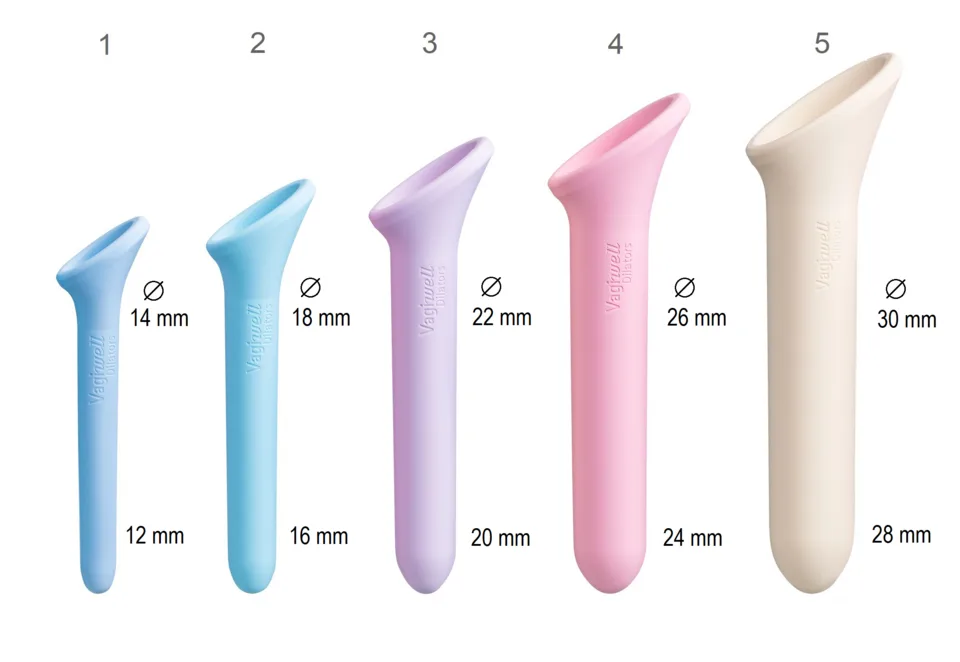
| Genito-pelvic pain/penetration disorder (vaginismus) | Fear of penetration, involuntary pelvic floor tightening | Clinical, after excluding organic causes |
| Endometriosis | Deep dyspareunia, dysmenorrhoea, dyschezia, subfertility | Transvaginal ultrasound, MRI; laparoscopy |
| Pelvic inflammatory disease | Deep pain, discharge, cervical motion tenderness | NAAT for chlamydia/gonorrhoea; clinical diagnosis |
| Bladder pain syndrome or irritable bowel syndrome | Bladder pain with filling, or bowel symptoms | Urinalysis, cystoscopy if indicated; clinical criteria |
Exam pearls
Guideline
ISSVD/ISSWSH/IPPS vulvar pain terminology (2015, published 2016); ACOG Committee Opinion 673 Persistent vulvar pain (2016); NAMS GSM position statement (2020); ACOG Practice Bulletin 213 Female sexual dysfunction (2019); ESHRE endometriosis (2022); NICE NG73 endometriosis (2017, updated 2024)
References
- Bornstein J, Goldstein AT, Stockdale CK, et al.. 2015 ISSVD, ISSWSH, and IPPS Consensus Terminology and Classification of Persistent Vulvar Pain and Vulvodynia. J Low Genit Tract Dis 2016.
- American College of Obstetricians and Gynecologists. Committee Opinion No 673: Persistent Vulvar Pain. Obstet Gynecol 2016.
- The North American Menopause Society. The 2020 genitourinary syndrome of menopause position statement of The North American Menopause Society. Menopause 2020.
- Portman DJ, Gass ML. Genitourinary syndrome of menopause: new terminology for vulvovaginal atrophy from the International Society for the Study of Women's Sexual Health and The North American Menopause Society. Menopause 2014.
- American College of Obstetricians and Gynecologists. Female Sexual Dysfunction: ACOG Practice Bulletin, Number 213. Obstet Gynecol 2019.
- Becker CM, Bokor A, Heikinheimo O, et al.. ESHRE guideline: endometriosis. Hum Reprod Open 2022.
Related topics
By Dr Khalid Seidi (B.Sc., M.D.) · MedEd World Clinical Knowledge library. Original teaching content checked against current guidelines (November 2026); confirm the latest local guidance before clinical use. Not a substitute for clinical judgement.