Clinical Knowledge › Paediatrics › Paediatric infectious diseases
Erythema infectiosum (parvovirus B19)
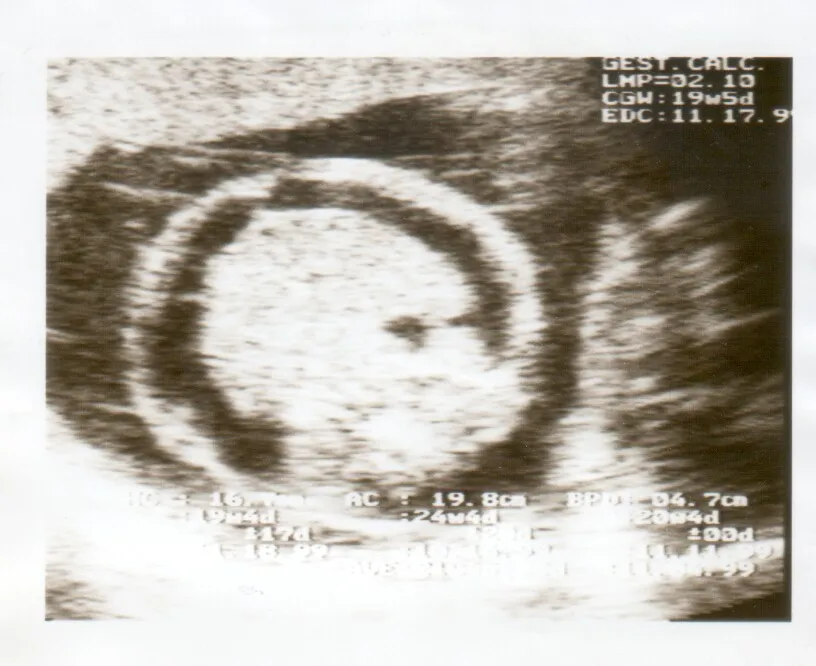
Erythema infectiosum (fifth disease, slapped cheek syndrome) is the commonest manifestation of parvovirus B19 infection, a small single-stranded DNA virus that infects erythroid progenitor cells through the blood group P antigen. It mainly affects children aged 5–15 years and spreads by droplets, with school outbreaks in spring and a marked rise in 2024–2025. After a mild febrile prodrome, bright red cheeks appear, followed by a lacy, reticular rash on the limbs and trunk that can recur with heat or exercise for weeks. By the time the rash appears the child is no longer infectious, so exclusion from school is unnecessary. In adults, especially women, infection causes symmetrical small-joint arthropathy. The same virus causes transient aplastic crisis in children with haemolytic anaemias such as sickle cell disease or hereditary spherocytosis, chronic pure red cell aplasia in immunocompromised patients, and fetal anaemia, hydrops and loss after maternal infection, particularly before 20 weeks. Serology and PCR are reserved for pregnancy, aplastic crisis and immunocompromise. Treatment is supportive, with transfusion for aplastic crisis, immunoglobulin for chronic infection and intrauterine transfusion for severe fetal anaemia.
Patient case, mechanism, investigations, management, flashcards and exam-style questions.Open the lesson →
Key facts
- Parvovirus B19: non-enveloped single-stranded DNA virus; receptor is the P antigen (globoside) on erythroid progenitors
- Peak age 5–15 years; school outbreaks in late winter and spring; about half of adults are immune; surge in 2024–2025 in Europe and the USA
- Spread by respiratory droplets, blood products and vertically; incubation 4–14 days (up to 21)
- Infectious before the rash; once the slapped cheek rash appears the child is not infectious, so no exclusion
- Rash sequence: slapped cheeks, then lacy reticular rash on limbs and trunk, which can recur for weeks with heat, sunlight or exercise
- Transient aplastic crisis in haemolytic anaemias: sudden fall in haemoglobin with reticulocytes near zero; patients are highly infectious
- Maternal infection before 20 weeks carries about a 10% risk of fetal loss; hydrops occurs in about 3–4% overall and is treated by intrauterine transfusion
- Chronic infection in immunocompromised patients causes pure red cell aplasia, treated with intravenous immunoglobulin
Differential diagnosis
| Condition | Clues | Key test |
|---|---|---|
| Rubella | Pink rash spreading from face, postauricular nodes, arthralgia; risk in pregnancy | Rubella IgM or PCR |
| Measles | High fever, cough, coryza, conjunctivitis, Koplik spots | Measles IgM or PCR |
| Scarlet fever | Sandpaper rash, strawberry tongue, pharyngitis, circumoral pallor | Throat swab |
| Roseola infantum | Infant, rash after 3–5 days of high fever | Clinical |
| Systemic lupus erythematosus (adolescent) | Malar rash sparing nasolabial folds, arthritis, cytopenias, persists | ANA, anti-dsDNA, complement |
| Drug eruption | Recent medicine, itchy morbilliform rash | History |
| Juvenile idiopathic arthritis or reactive arthritis | Arthritis lasting over 6 weeks or after diarrhoea or urethritis | Clinical course; inflammatory markers |
Exam pearls
Guideline
UKHSA (PHE) guidance on viral rash illness in pregnancy (2019), ACOG Practice Bulletin 151 on CMV, parvovirus B19, varicella and toxoplasmosis in pregnancy (2015), and CDC parvovirus B19 health advisory (2024) with MMWR surveillance update (2025)
References
- Young NS, Brown KE.. Parvovirus B19. N Engl J Med 2004.
- Heegaard ED, Brown KE.. Human parvovirus B19. Clin Microbiol Rev 2002.
- Enders M, Weidner A, Zoellner I, Searle K, Enders G.. Fetal morbidity and mortality after acute human parvovirus B19 infection in pregnancy: prospective evaluation of 1018 cases. Prenat Diagn 2004.
- Brown KE, Anderson SM, Young NS.. Erythrocyte P antigen: cellular receptor for B19 parvovirus. Science 1993.
- Public Health England (now UK Health Security Agency). Guidance on the investigation, diagnosis and management of viral illness, or exposure to viral rash illness, in pregnancy. GOV.UK 2019.
- Hernandez-Romieu AC, Carey K, Dietz S, et al.. Notes from the field: parvovirus B19 activity — United States, January 2024–May 2025. MMWR Morb Mortal Wkly Rep 2025.
Related topics
By Dr Khalid Seidi (B.Sc., M.D.) · MedEd World Clinical Knowledge library. Original teaching content checked against current guidelines (November 2026); confirm the latest local guidance before clinical use. Not a substitute for clinical judgement.