Clinical Knowledge › Paediatrics › Paediatric infectious diseases
Paediatric HIV infection
Almost all HIV infection in children is acquired from the mother during pregnancy, delivery or breastfeeding; a few cases follow sexual abuse, unsafe injections or transfusion, and adolescents may acquire it sexually or through drug use. Over a million children live with HIV, mostly in sub-Saharan Africa. Without intervention 15–45% of exposed infants are infected, but maternal antiretroviral therapy with a suppressed viral load, infant prophylaxis and safe feeding reduce this to well under 1%. Infants progress quickly: without treatment about a third die in the first year, often from Pneumocystis pneumonia, bacterial sepsis, tuberculosis or faltering growth. Because maternal antibody persists to 18 months, infants are diagnosed with nucleic acid tests (HIV DNA or RNA PCR), at birth or 4–6 weeks and again later; older children have antibody–antigen tests. All children with HIV should start antiretroviral therapy as soon as possible, and dolutegravir-based regimens are now preferred from infancy, given in weight bands. Co-trimoxazole prophylaxis, immunisation, TB screening, growth and developmental monitoring, adherence support, age-appropriate disclosure and transition to adult care complete the package. Treated early, children with HIV can expect near-normal lives.
Patient case, mechanism, investigations, management, flashcards and exam-style questions.Open the lesson →
Key facts
- Over 90% of paediatric HIV is vertical (in utero, intrapartum, breastfeeding); risk 15–45% without intervention and under 1% with maternal viral suppression and infant prophylaxis
- Infants under 18 months: diagnose with HIV nucleic acid testing (DNA or RNA PCR), because maternal IgG persists; confirm positives on a second sample
- Test exposed infants at birth (increasingly recommended) and at 4–6 weeks, again during breastfeeding, and after breastfeeding ends
- Start ART in every child with HIV as soon as possible, ideally within days (CHER trial: early ART cut infant mortality by about three-quarters)
- Preferred first-line: dolutegravir plus two NRTIs (e.g. abacavir + lamivudine) from 4 weeks and 3 kg; US 2026 guidance extends dolutegravir from birth in term neonates of 2 kg or more
- Infant prophylaxis: 6 weeks of nevirapine (WHO) for most; enhanced or triple-drug prophylaxis for high-risk infants; extended prophylaxis while breastfeeding if maternal viral load is not suppressed
- Co-trimoxazole prophylaxis from 4–6 weeks for HIV-exposed infants until infection is excluded, and for children with HIV, prevents Pneumocystis pneumonia
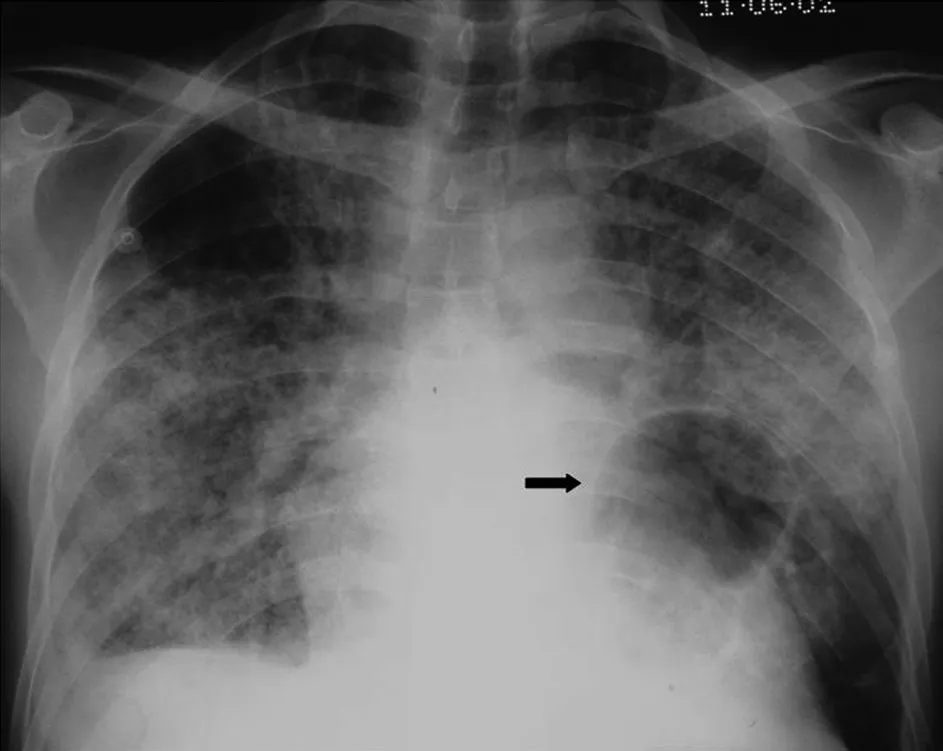
- Pneumocystis pneumonia peaks at 2–6 months and is often the first presentation; treat with high-dose co-trimoxazole and prednisolone
Differential diagnosis
| Condition | Clues | Key test |
|---|---|---|
| Severe acute malnutrition | Wasting and oedema with infections; may coexist with HIV | Anthropometry; HIV test in all malnourished children in high-prevalence areas |
| Tuberculosis | Chronic cough, weight loss, contact history; common co-infection | CXR, Xpert MTB/RIF Ultra on sputum or stool, urine LAM in HIV |
| Primary immunodeficiency (e.g. SCID) | Recurrent severe infections, Pneumocystis, faltering growth with negative HIV tests | Lymphocyte subsets, immunoglobulins; newborn TREC screen |
| Congenital CMV or other TORCH infection | Hepatosplenomegaly, growth restriction, thrombocytopenia from birth | CMV PCR within 21 days |
| Cystic fibrosis | Recurrent chest infections and faltering growth | Sweat chloride, genetic testing |
| Other causes of chronic diarrhoea and faltering growth | Coeliac disease, giardiasis, cow's milk allergy | Stool tests, coeliac serology |
| Bronchiolitis or viral pneumonia | Infant with tachypnoea and hypoxia; less severe hypoxia than PCP, wheeze | Viral PCR; LDH not markedly raised |
Exam pearls
Guideline
WHO consolidated HIV guidelines (2021) with subsequent WHO updated recommendations on HIV clinical management (2025–2026), and US DHHS Guidelines for the Use of Antiretroviral Agents in Pediatric HIV Infection (June 2026 update)
References
- World Health Organization. Consolidated guidelines on HIV prevention, testing, treatment, service delivery and monitoring: recommendations for a public health approach. WHO 2021.
- World Health Organization. Updated recommendations on HIV clinical management. WHO 2026.
- Panel on Antiretroviral Therapy and Medical Management of Children Living with HIV, US Department of Health and Human Services. Guidelines for the use of antiretroviral agents in pediatric HIV infection. Clinicalinfo.HIV.gov 2026.
- Violari A, Cotton MF, Gibb DM, et al.. Early antiretroviral therapy and mortality among HIV-infected infants. N Engl J Med 2008.
- Turkova A, White E, Mujuru HA, et al.. Dolutegravir as first- or second-line treatment for HIV-1 infection in children. N Engl J Med 2021.
- Connor EM, Sperling RS, Gelber R, et al.. Reduction of maternal-infant transmission of human immunodeficiency virus type 1 with zidovudine treatment. N Engl J Med 1994.
Related topics
By Dr Khalid Seidi (B.Sc., M.D.) · MedEd World Clinical Knowledge library. Original teaching content checked against current guidelines (November 2026); confirm the latest local guidance before clinical use. Not a substitute for clinical judgement.