Clinical Knowledge › Neurology › Movement disorders and ataxias
Friedreich ataxia
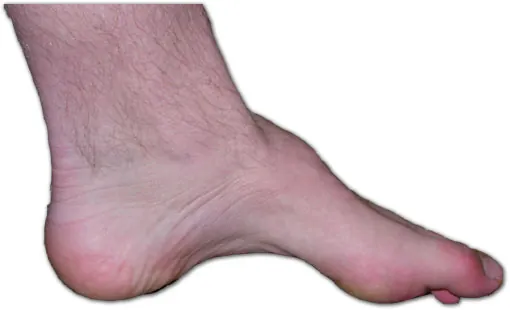
Friedreich ataxia (FA) is the commonest inherited ataxia, an autosomal recessive multisystem disorder usually caused by homozygous GAA repeat expansions in intron 1 of FXN on chromosome 9q21. Reduced frataxin impairs mitochondrial iron–sulfur cluster synthesis, causing degeneration of dorsal root ganglia, dorsal columns, spinocerebellar and corticospinal tracts, heart and pancreatic beta cells. Onset is usually at 5–15 years with progressive gait then limb ataxia, dysarthria, loss of vibration and joint position sense, absent ankle reflexes with extensor plantars, pes cavus and scoliosis. Hypertrophic cardiomyopathy is the main cause of death; diabetes, optic atrophy and hearing loss also occur. Diagnosis is by genetic testing; nerve conduction shows absent sensory potentials and MRI shows cervical cord atrophy. Omaveloxolone is the first approved disease-specific drug (age 16 and over). Care is multidisciplinary, with annual ECG, echocardiography and glucose screening.
Patient case, mechanism, investigations, management, flashcards and exam-style questions.Open the lesson →
Key facts
- Autosomal recessive; homozygous GAA repeat expansion in FXN intron 1 (chromosome 9q21) in about 96%; compound heterozygous point mutation in the rest
- Commonest inherited ataxia (prevalence about 1 in 30 000–50 000 in European populations; carrier frequency about 1 in 100)
- Onset typically 5–15 years; repeat length on the shorter allele correlates with earlier onset and cardiomyopathy
- Mixed cerebellar and sensory (dorsal column) ataxia with positive Romberg, absent ankle jerks and extensor plantars
- Pes cavus and kyphoscoliosis are common skeletal features
- Hypertrophic cardiomyopathy (with arrhythmias, heart failure) is the commonest cause of death
- Diabetes in about 10–30%; also optic atrophy, sensorineural hearing loss, bladder dysfunction
- Omaveloxolone (approved USA 2023, EU 2024) for patients aged 16 and over; monitor liver enzymes, lipids and BNP
Differential diagnosis
| Condition | Clues | Key test |
|---|---|---|
| Ataxia with vitamin E deficiency (TTPA) | Friedreich-like phenotype, head tremor, low vitamin E | Serum vitamin E |
| Abetalipoproteinaemia | Fat malabsorption, acanthocytes, retinopathy, low lipids | Lipid profile, blood film |
| Ataxia telangiectasia | Onset under 5, telangiectasia, infections, raised AFP | AFP, ATM testing |
| Charcot–Marie–Tooth disease | Distal weakness and wasting, pes cavus, no cerebellar signs | Nerve conduction, genetic testing |
| Spinocerebellar ataxias | Autosomal dominant, reflexes often preserved | SCA genetic panel |
| Subacute combined degeneration (B12) | Adult, anaemia, dorsal column and pyramidal signs | B12, methylmalonic acid |
| Multiple sclerosis | Relapsing course, optic neuritis, white matter lesions | MRI, CSF oligoclonal bands |
Exam pearls
Guideline
Consensus clinical management guidelines for Friedreich ataxia (2022); omaveloxolone approvals (FDA 2023, EMA 2024)
References
- Corben LA, Collins V, Milne S, et al.. Consensus clinical management guidelines for Friedreich ataxia. Orphanet J Rare Dis 2022.
- Lynch DR, Chin MP, Delatycki MB, et al.. Safety and efficacy of omaveloxolone in Friedreich ataxia (MOXIe study). Ann Neurol 2021.
- Ropper AH, Samuels MA, Klein JP, Prasad S.. Adams and Victor's Principles of Neurology. 2023.
- Jankovic J, Mazziotta JC, Pomeroy SL, Newman NJ, eds.. Bradley and Daroff's Neurology in Clinical Practice. 2022.
- Papadakis MA, Rabow MW, McQuaid KR, eds.. CURRENT Medical Diagnosis & Treatment 2026. 2026.
- de Silva RN, Vallortigara J, Greenfield J, et al.. Diagnosis and management of progressive ataxia in adults. Pract Neurol 2019.
Related topics
By Dr Khalid Seidi (B.Sc., M.D.) · MedEd World Clinical Knowledge library. Original teaching content checked against current guidelines (November 2026); confirm the latest local guidance before clinical use. Not a substitute for clinical judgement.