Clinical Knowledge › Anaesthesiology › Regional and local anaesthesia
High and total spinal block
A high spinal block is neuraxial local anaesthetic spread to upper thoracic and cervical segments, causing severe hypotension, bradycardia, breathlessness, weak hands and difficulty speaking; a total spinal extends to the brainstem with apnoea, unconsciousness, dilated pupils and cardiovascular collapse. Causes include an excessive or poorly positioned intrathecal dose, unrecognised intrathecal placement or migration of an epidural catheter, large epidural top-ups after a recent spinal, subdural injection and accidental intrathecal spread during interscalene, paravertebral or eye blocks. Obstetric patients are most often affected; in the SOAP serious complication repository high neuraxial block was the most frequent serious anaesthetic complication. Management is a drill: stop the drug and call for help, give 100% oxygen, support or secure the airway (intubation and ventilation, with sedation or anaesthesia to prevent awareness), treat hypotension and bradycardia with vasopressors, adrenaline and atropine, use left uterine displacement in pregnancy and start CPR with perimortem delivery if cardiac arrest occurs. With prompt support the block regresses within 1–2 hours and outcome is usually good.
Patient case, mechanism, investigations, management, flashcards and exam-style questions.Open the lesson →
Key facts
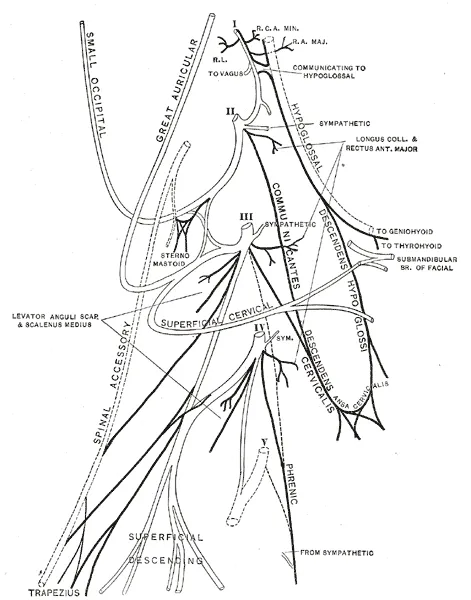
- Progression follows segments: hypotension and nausea (T4 and above), bradycardia (T1–T4 cardioaccelerators), hand tingling and weakness (C6–C8), dyspnoea and weak voice, then apnoea (phrenic C3–C5) and unconsciousness
- Total spinal means brainstem anaesthesia: apnoea, loss of consciousness, fixed dilated pupils and profound hypotension and bradycardia
- Commonest causes: unrecognised intrathecal epidural catheter, epidural top-up after a recent spinal or failed spinal, excessive intrathecal dose or head-down tilt
- Distinguish from local anaesthetic systemic toxicity (CNS excitation, seizures, arrhythmia without dense motor block) and from vasovagal reactions
- Drill: stop, call for help, 100% oxygen, airway and ventilation, vasopressors, adrenaline and atropine, left uterine displacement, CPR if arrest
- Intubate with a reduced induction dose and maintain sedation or anaesthesia: the patient may regain consciousness while still paralysed by the block
- Adrenaline in small IV boluses (10–100 microgram) is appropriate when phenylephrine or ephedrine fail (teaching doses; check local protocol)
- Block from bupivacaine regresses over about 1–2 hours; continue ventilation until the patient breathes and protects the airway
Differential diagnosis
| Condition | Clues | Key test |
|---|---|---|
| Local anaesthetic systemic toxicity | Perioral numbness, tinnitus, seizures, arrhythmia; no dense motor block | Clinical; response to lipid emulsion |
| Subdural block | Slow onset (15–30 min), patchy, high sensory block with relative motor and sympathetic sparing | Clinical course |
| Vasovagal syncope | Sudden bradycardia and hypotension with pallor, rapid recovery lying flat; no rising block | Block level unchanged |
| Anaphylaxis | Hypotension with bronchospasm, rash or angioedema | Mast cell tryptase |
| Amniotic fluid embolism | Sudden collapse, hypoxaemia and coagulopathy in labour or delivery | Clinical; coagulation tests |
| Aortocaval compression | Hypotension supine in late pregnancy improving with left tilt | Positional response |
| Massive haemorrhage | Tachycardia, hypotension, visible or concealed blood loss | Haemoglobin, point-of-care viscoelastic tests |
Exam pearls
Guideline
Association of Anaesthetists Quick Reference Handbook (QRH 2023 version); International consensus on vasopressors at caesarean section 2018; ERC/RCUK Resuscitation Guidelines 2025 (cardiac arrest in pregnancy)
References
- Cook TM, Counsell D, Wildsmith JA, et al.. Major complications of central neuraxial block: report on the Third National Audit Project of the Royal College of Anaesthetists. Br J Anaesth 2009.
- D'Angelo R, Smiley RM, Riley ET, et al.. Serious complications related to obstetric anesthesia: the serious complication repository project of the Society for Obstetric Anesthesia and Perinatology. Anesthesiology 2014.
- Kinsella SM, Carvalho B, Dyer RA, et al.. International consensus statement on the management of hypotension with vasopressors during caesarean section under spinal anaesthesia. Anaesthesia 2018.
- Carpenter RL, Caplan RA, Brown DL, et al.. Incidence and risk factors for side effects of spinal anesthesia. Anesthesiology 1992.
- Association of Anaesthetists. Quick Reference Handbook (QRH): guidelines for crises in anaesthesia. Association of Anaesthetists, London 2023.
- European Resuscitation Council and Resuscitation Council UK. Resuscitation Guidelines 2025: cardiac arrest in special circumstances (including pregnancy). ERC/RCUK 2025.
Related topics
By Dr Khalid Seidi (B.Sc., M.D.) · MedEd World Clinical Knowledge library. Original teaching content checked against current guidelines (November 2026); confirm the latest local guidance before clinical use. Not a substitute for clinical judgement.