Clinical Knowledge › Internal medicine › Endocrinology › Thyroid disorders
Hypothyroidism
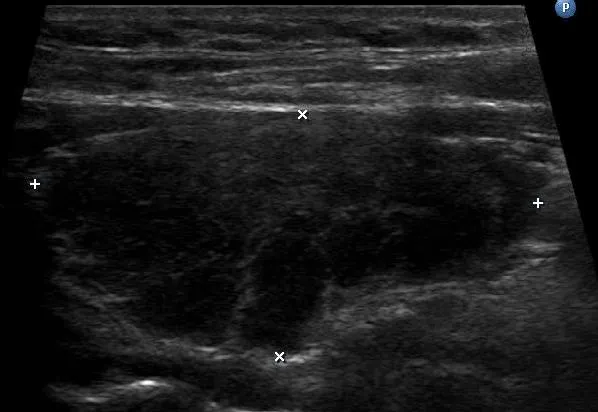
Hypothyroidism is deficient thyroid hormone action, most often from failure of the thyroid gland itself (primary hypothyroidism). Worldwide the commonest cause is iodine deficiency; in iodine-sufficient regions it is autoimmune (Hashimoto) thyroiditis, followed by radioiodine, thyroidectomy and drugs such as amiodarone, lithium and immune checkpoint inhibitors. Central hypothyroidism from pituitary or hypothalamic disease is rare. Low thyroid hormone slows metabolism, causing fatigue, weight gain, cold intolerance, constipation, dry skin, menstrual disturbance, bradycardia and slow-relaxing reflexes, often with raised cholesterol and hyponatraemia. TSH is the best first test: a high TSH with low free T4 confirms overt primary disease, while a high TSH with normal free T4 is subclinical hypothyroidism. Treatment is daily levothyroxine on an empty stomach, about 1.6 µg/kg in healthy younger adults and a lower starting dose in older people or those with heart disease, adjusted by TSH every 6–8 weeks. Dose needs rise in pregnancy; the most severe form, myxoedema coma, is an emergency.
Patient case, mechanism, investigations, management, flashcards and exam-style questions.Open the lesson →
Key facts
- Commonest cause worldwide: iodine deficiency; in iodine-sufficient areas: Hashimoto thyroiditis (TPO antibodies positive in about 90%)
- Primary hypothyroidism: high TSH, low free T4; subclinical: high TSH, normal free T4; central: low or inappropriately normal TSH with low free T4
- Repeat a raised TSH with free T4 after about 3 months before treating subclinical disease, as many cases are transient
- Levothyroxine full replacement about 1.6 µg/kg/day; start 25–50 µg daily in older adults or ischaemic heart disease (teaching dose; check local formulary)
- Check TSH 6–8 weeks after starting or changing the dose; aim for TSH within the reference range (higher acceptable in the very old)
- In central hypothyroidism monitor free T4, not TSH, and exclude adrenal insufficiency before starting levothyroxine
- Pregnant women on levothyroxine should increase the dose by about 25–30% as soon as pregnancy is confirmed
- Calcium, iron, PPIs, food and coffee reduce absorption; enzyme inducers and oestrogen increase requirements
Differential diagnosis
| Condition | Clues | Key test |
|---|---|---|
| Depression | Low mood, fatigue, weight change, normal thyroid tests | TSH, free T4 |
| Sick euthyroid (non-thyroidal illness) | Acute illness, low T3, low or normal TSH, recovers | Repeat tests after recovery |
| Recovery phase of thyroiditis | Transient high TSH after painful or postpartum thyroiditis | Repeat TSH in 6–8 weeks |
| Adrenal insufficiency | Fatigue, weight loss, hyponatraemia, hyperkalaemia; TSH can be mildly raised | Morning cortisol, short Synacthen test |
| Chronic kidney disease or nephrotic syndrome | Oedema, fatigue, hypercholesterolaemia | eGFR, urine protein |
| Obstructive sleep apnoea | Fatigue, weight gain, snoring | Sleep study; TSH normal |
| Assay interference (biotin, heterophile antibodies) | Results do not fit the clinical picture | Stop biotin 2–3 days; repeat on another platform |
Exam pearls
Guideline
ATA Guidelines for the Treatment of Hypothyroidism (2014), NICE NG145 Thyroid disease: assessment and management (2019), ETA guideline on subclinical hypothyroidism (2013) and ATA 2026 Guidelines for thyroid disease in preconception, pregnancy and postpartum
References
- Jonklaas J, Bianco AC, Bauer AJ, et al.. Guidelines for the treatment of hypothyroidism. Thyroid 2014.
- National Institute for Health and Care Excellence. Thyroid disease: assessment and management (NG145). NICE 2019.
- Pearce SHS, Brabant G, Duntas LH, et al.. 2013 ETA guideline: management of subclinical hypothyroidism. Eur Thyroid J 2013.
- American Thyroid Association. American Thyroid Association 2026 Guidelines for Thyroid Disease in Preconception, Pregnancy, and the Postpartum Period. Thyroid 2026.
- Stott DJ, Rodondi N, Kearney PM, et al.. Thyroid hormone therapy for older adults with subclinical hypothyroidism. N Engl J Med 2017.
- Chaker L, Razvi S, Bensenor IM, et al.. Hypothyroidism. Nat Rev Dis Primers 2022.
Related topics
By Dr Khalid Seidi (B.Sc., M.D.) · MedEd World Clinical Knowledge library. Original teaching content checked against current guidelines (November 2026); confirm the latest local guidance before clinical use. Not a substitute for clinical judgement.