Clinical Knowledge › Paediatrics › Child development, behaviour and safeguarding
Accidental poisoning in children
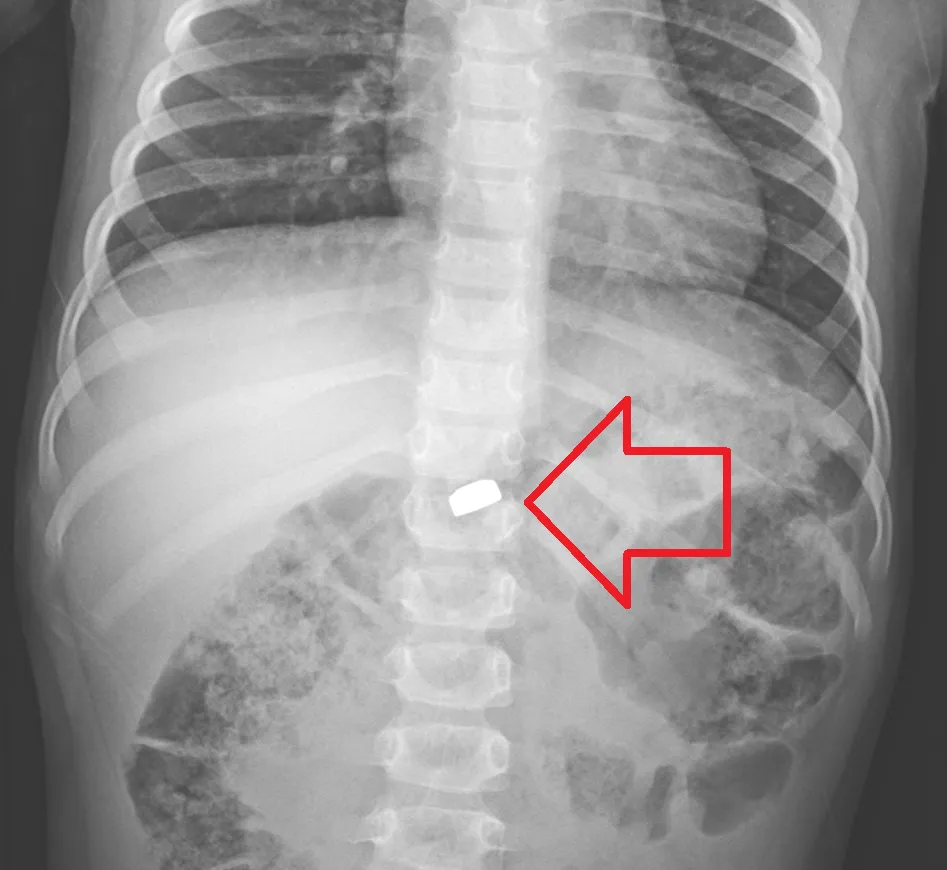
Accidental (unintentional) poisoning is one of the commonest childhood emergencies, peaking at 1–4 years when exploratory, hand-to-mouth behaviour meets newly gained mobility. Most ingestions of household products, cosmetics, plants or medicines are harmless, but some substances can kill a toddler with one or two tablets or a single swallow: tricyclic antidepressants, calcium-channel blockers, beta-blockers, sulfonylureas, opioids including methadone and buprenorphine, clonidine, antimalarials, methyl salicylate and camphor. Button batteries and high-powered magnets cause serious injury even without a toxin. Management starts with ABCDE and glucose, an accurate estimate of the maximum dose in mg/kg, early advice from a poisons information service, and recognition of toxidromes. Gut decontamination is rarely needed; single-dose activated charcoal may help within 1 hour if the airway is safe. Specific antidotes include acetylcysteine, naloxone, desferrioxamine, octreotide and sodium bicarbonate. Every presentation needs prevention advice and, if the story does not fit, safeguarding.
Patient case, mechanism, investigations, management, flashcards and exam-style questions.Open the lesson →
Key facts
- Peak age 1–4 years; children under 6 account for a large share of poison-centre calls; most exposures are minor
- US NPDS 2024: commonest exposures under 6 were household cleaners, cosmetics, analgesics, foreign bodies/toys and supplements
- 'One pill can kill': TCAs, calcium-channel and beta-blockers, sulfonylureas, opioids (methadone, buprenorphine), clonidine, chloroquine, methyl salicylate, camphor
- Always calculate the maximum possible dose in mg/kg and contact a poisons information service (TOXBASE/NPIS in the UK)
- Activated charcoal 1 g/kg (max 50 g) only within 1 hour of a toxic, adsorbable ingestion with a protected airway; not for iron, lithium, alcohols, acids, alkalis or hydrocarbons
- Button battery in the oesophagus is an emergency: X-ray (halo/double-ring sign) and endoscopic removal within 2 hours
- Paracetamol: 4-hour level plotted on a treatment line (UK 100 mg/L at 4 h); acetylcysteine by SNAP 12-hour or 21-hour regimen
- Safeguarding: ingestion in a non-mobile infant, repeated episodes, drugs of abuse, or an inconsistent story
Differential diagnosis
| Condition | Clues | Key test |
|---|---|---|
| Sepsis or meningitis | Fever, rash, neck stiffness, no exposure history | Blood culture, lumbar puncture when safe |
| Hypoglycaemia (metabolic or endocrine) | Drowsiness, seizures; ketotic hypoglycaemia after fasting | Bedside glucose, hypoglycaemia screen before treatment |
| Head injury or abusive head trauma | Drowsiness, vomiting, bruises, inconsistent history | CT head, safeguarding assessment |
| Diabetic ketoacidosis | Polyuria, polydipsia, Kussmaul breathing, high glucose | Glucose, ketones, blood gas |
| Inborn error of metabolism | Recurrent encephalopathy, vomiting, hyperammonaemia | Ammonia, lactate, amino acids, organic acids |
| Encephalitis or seizures | Fever, focal signs, post-ictal state | EEG, MRI, CSF analysis |
| Fabricated or induced illness | Repeated unexplained episodes, salt or insulin poisoning | Toxicology, C-peptide, sodium studies; safeguarding |
Exam pearls
Guideline
UK NPIS TOXBASE advice; RCEM SNAP regimen guidance (2023); ANZ paracetamol guidelines (2020); ESPGHAN button battery position paper (2021); AACT/EAPCCT position papers on activated charcoal and gastric lavage
References
- Beuhler MC, Feldman R, Gummin DD, et al.. 2024 Annual report of the National Poison Data System (NPDS) from America's Poison Centers: 42nd annual report. Clin Toxicol (Phila) 2025.
- Mubarak A, Benninga MA, Broekaert I, et al.. Diagnosis, Management, and Prevention of Button Battery Ingestion in Childhood: A European Society for Paediatric Gastroenterology Hepatology and Nutrition Position Paper. J Pediatr Gastroenterol Nutr 2021.
- Bateman DN, Dear JW, Thanacoody HK, et al.. Reduction of adverse effects from intravenous acetylcysteine treatment for paracetamol poisoning: a randomised controlled trial. Lancet 2014.
- Chiew AL, Reith D, Pomerleau A, et al.. Updated guidelines for the management of paracetamol poisoning in Australia and New Zealand. Med J Aust 2020.
- Chyka PA, Seger D, Krenzelok EP, Vale JA.. Position paper: single-dose activated charcoal. Clin Toxicol (Phila) 2005.
- Benson BE, Hoppu K, Troutman WG, et al.. Position paper update: gastric lavage for gastrointestinal decontamination. Clin Toxicol (Phila) 2013.
Related topics
By Dr Khalid Seidi (B.Sc., M.D.) · MedEd World Clinical Knowledge library. Original teaching content checked against current guidelines (November 2026); confirm the latest local guidance before clinical use. Not a substitute for clinical judgement.