Clinical Knowledge › Paediatrics › Child development, behaviour and safeguarding
Learning disability
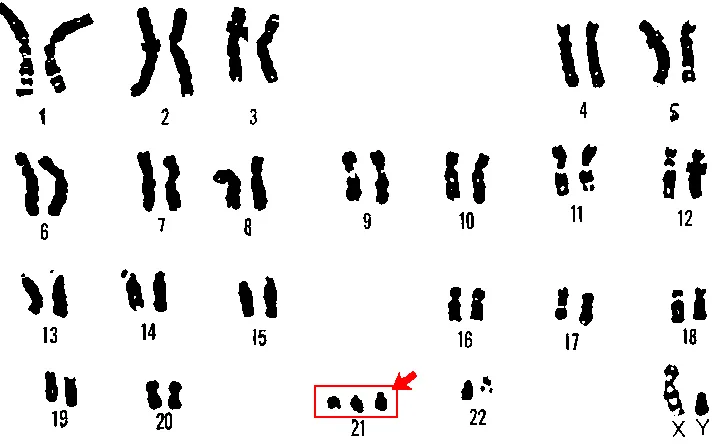
Learning disability, the UK term for intellectual disability (ICD-11: disorders of intellectual development), means significantly below-average intellectual functioning (IQ roughly two standard deviations below the mean, about 70 or less) together with deficits in adaptive functioning, beginning in the developmental period. It differs from a specific learning difficulty such as dyslexia, where general intelligence is preserved. About 1–3% of children are affected, mostly mildly. Severity is graded by adaptive functioning, and the more severe the disability, the more likely a cause is found: Down syndrome, fragile X, other genetic syndromes, fetal alcohol exposure, congenital infection, perinatal brain injury, untreated hypothyroidism or phenylketonuria, meningitis and abusive head trauma. Evaluation includes hearing and vision, chromosomal microarray, fragile X and exome or genome sequencing. Care is multidisciplinary and family-centred, with reasonable adjustments and support for epilepsy, behaviour, health inequalities and safeguarding.
Patient case, mechanism, investigations, management, flashcards and exam-style questions.Open the lesson →
Key facts
- Three elements: impaired intellectual functioning, impaired adaptive functioning, onset before adulthood
- Mild learning disability is about 85% of cases; severe and profound disability more often has an identifiable organic cause
- Down syndrome is the commonest genetic cause; fragile X is the commonest inherited cause; fetal alcohol spectrum disorder (high-income countries) and iodine deficiency (worldwide) are leading preventable causes
- First-tier genetic tests: chromosomal microarray and fragile X; exome or genome sequencing is recommended as a first- or second-tier test (ACMG 2021)
- Every child needs hearing and vision assessment; thyroid function and metabolic tests when indicated; MRI if abnormal head size or neurological signs
- Epilepsy affects about 1 in 5 people with learning disability, rising with severity
- People with learning disability die many years earlier than the general population, often from avoidable causes such as aspiration pneumonia, sepsis, epilepsy and constipation
- Behaviour that challenges is managed first with functional assessment and positive behaviour support; antipsychotics only if this fails and the risk is severe
Differential diagnosis
| Condition | Clues | Key test |
|---|---|---|
| Specific learning difficulty (dyslexia, dyscalculia) | Difficulty in one area with normal general intelligence and adaptive skills | Educational psychology assessment |
| Hearing or vision impairment | Apparent slowness because the child cannot perceive information | Audiology and visual assessment |
| Autism without intellectual disability | Social communication differences with average IQ | Autism assessment and cognitive testing |
| ADHD | Underachievement from inattention, normal cognitive ability | Rating scales; cognitive testing |
| Severe neglect or deprivation | Delays that improve rapidly with nurturing care | Social history; safeguarding assessment |
| Neurodegenerative or metabolic disease | Loss of skills after normal development | Metabolic screen, MRI, specialist genetic tests |
| Epileptic encephalopathy or frequent absences | Fluctuating attention and cognitive decline with seizures | EEG |
Exam pearls
Guideline
ACMG guideline on exome and genome sequencing (2021); AAP clinical report on evaluation of GDD/ID (2014); NICE NG11 challenging behaviour and learning disabilities (2015), NG54 mental health problems in learning disabilities (2016) and NG93 service design (2018); ICD-11 and DSM-5-TR (2022)
References
- Manickam K, McClain MR, Demmer LA, et al.. Exome and genome sequencing for pediatric patients with congenital anomalies or intellectual disability: an evidence-based clinical guideline of the American College of Medical Genetics and Genomics (ACMG). Genet Med 2021.
- Moeschler JB, Shevell M; Committee on Genetics. Comprehensive evaluation of the child with intellectual disability or global developmental delays. Pediatrics 2014.
- National Institute for Health and Care Excellence. Challenging behaviour and learning disabilities: prevention and interventions for people with learning disabilities whose behaviour challenges (NG11). NICE guideline 2015.
- National Institute for Health and Care Excellence. Mental health problems in people with learning disabilities: prevention, assessment and management (NG54). NICE guideline 2016.
- American Psychiatric Association. Diagnostic and Statistical Manual of Mental Disorders, Fifth Edition, Text Revision (DSM-5-TR). American Psychiatric Association Publishing 2022.
- National Institute for Health and Care Excellence. Learning disabilities and behaviour that challenges: service design and delivery (NG93). NICE guideline 2018.
Related topics
By Dr Khalid Seidi (B.Sc., M.D.) · MedEd World Clinical Knowledge library. Original teaching content checked against current guidelines (November 2026); confirm the latest local guidance before clinical use. Not a substitute for clinical judgement.