Clinical Knowledge › Paediatrics › Child development, behaviour and safeguarding
Attention deficit hyperactivity disorder (ADHD)
Attention deficit hyperactivity disorder (ADHD) is a common neurodevelopmental condition with a persistent pattern of inattention and/or hyperactivity–impulsivity that is excessive for developmental age, begins before 12 years, appears in at least two settings and impairs functioning. It affects about 5% of children worldwide, is diagnosed more often in boys and persists into adulthood in many. Heritability is about 70–80%; prematurity, prenatal alcohol and tobacco exposure and lead are environmental risks. Diagnosis is clinical, using multi-informant history and rating scales, after excluding hearing or vision problems, absence seizures, sleep disorders, trauma and learning difficulties. Under 5s receive parent training first. From 5–6 years, environmental and school adjustments plus medication are effective when impairment persists: methylphenidate first, then lisdexamfetamine, with atomoxetine or guanfacine as non-stimulant options. Height, weight, heart rate and blood pressure are monitored.
Patient case, mechanism, investigations, management, flashcards and exam-style questions.Open the lesson →
Key facts
- DSM-5-TR: at least 6 symptoms of inattention and/or hyperactivity–impulsivity (5 if aged 17 or over) for at least 6 months, several present before age 12, in two or more settings, with impairment
- Presentations: predominantly inattentive, predominantly hyperactive–impulsive, or combined; girls more often have the inattentive presentation and are diagnosed later
- Prevalence about 5% of children; boys diagnosed 2–4 times more often; persists into adulthood in a substantial proportion
- Under 5 years: group parent training is first line; medication only after specialist review
- From 5 years (NICE), medication is offered when symptoms still cause significant impairment after environmental modifications; methylphenidate is first line in children
- Before stimulants: height, weight, heart rate, blood pressure and cardiac history; ECG only if cardiac history, abnormal examination or interacting drugs
- Common stimulant adverse effects: reduced appetite, weight loss, slowed growth, insomnia, headache, abdominal pain, raised heart rate and blood pressure
- Co-occurring conditions are the rule: oppositional defiant disorder, autism, learning difficulties, tics, anxiety and sleep problems
Differential diagnosis
| Condition | Clues | Key test |
|---|---|---|
| Hearing or vision impairment | Inattention in class with missed instructions; may sit at the back | Audiology and visual acuity testing |
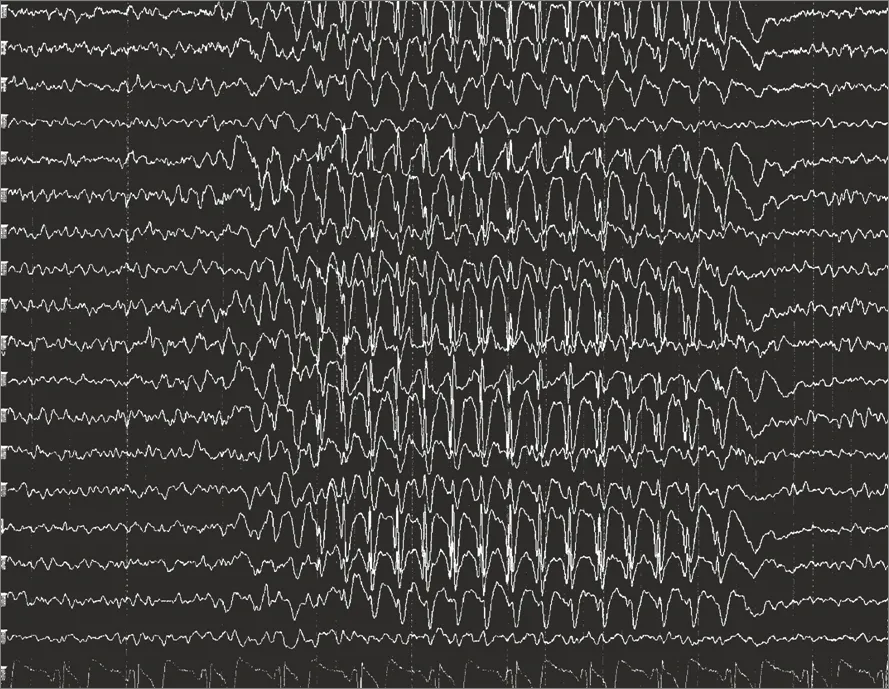
| Absence epilepsy | Brief daydream-like episodes many times a day with abrupt return, triggered by hyperventilation | EEG showing 3 Hz spike-and-wave |
| Obstructive sleep apnoea or poor sleep | Snoring, restless sleep, daytime tiredness with irritability and inattention | Sleep history; overnight oximetry or polysomnography |
| Specific learning difficulty or intellectual disability | Inattention mainly during academic tasks beyond the child's ability | Educational psychology assessment, cognitive testing |
| Autism spectrum disorder | Social communication differences and restricted interests; may co-occur | Developmental history and autism assessment |
| Anxiety, depression or trauma | Onset after adverse events; worry or low mood; hypervigilance | Psychosocial history, safeguarding enquiry |
| Hyperthyroidism | Weight loss, tremor, tachycardia, heat intolerance | Thyroid function tests |
| Fetal alcohol spectrum disorder | Maternal alcohol exposure, growth restriction, facial features, learning problems | Prenatal history, growth, facial measurements |
Exam pearls
Guideline
NICE NG87 Attention deficit hyperactivity disorder: diagnosis and management (2018, updated 2019); AAP clinical practice guideline for ADHD (2019); DSM-5-TR (2022)
References
- National Institute for Health and Care Excellence. Attention deficit hyperactivity disorder: diagnosis and management (NG87). NICE guideline 2018.
- Wolraich ML, Hagan JF Jr, Allan C, et al.. Clinical practice guideline for the diagnosis, evaluation, and treatment of attention-deficit/hyperactivity disorder in children and adolescents. Pediatrics 2019.
- Cortese S, Adamo N, Del Giovane C, et al.. Comparative efficacy and tolerability of medications for attention-deficit hyperactivity disorder in children, adolescents, and adults: a systematic review and network meta-analysis. Lancet Psychiatry 2018.
- Posner J, Polanczyk GV, Sonuga-Barke E. Attention-deficit hyperactivity disorder. Lancet 2020.
- Faraone SV, Banaschewski T, Coghill D, et al.. The World Federation of ADHD International Consensus Statement: 208 evidence-based conclusions about the disorder. Neurosci Biobehav Rev 2021.
- American Psychiatric Association. Diagnostic and Statistical Manual of Mental Disorders, Fifth Edition, Text Revision (DSM-5-TR). American Psychiatric Association Publishing 2022.
Related topics
By Dr Khalid Seidi (B.Sc., M.D.) · MedEd World Clinical Knowledge library. Original teaching content checked against current guidelines (November 2026); confirm the latest local guidance before clinical use. Not a substitute for clinical judgement.