Clinical Knowledge › Internal medicine › Endocrinology › Reproductive endocrinology
Androgen insensitivity syndrome
Androgen insensitivity syndrome (AIS) is an X-linked difference of sex development in which a 46,XY individual with testes cannot respond fully to androgens because of a defective androgen receptor (AR gene). The testes make normal or high amounts of testosterone and anti-Müllerian hormone, so Müllerian structures (uterus, tubes, upper vagina) are absent, but androgen-dependent virilisation fails to a variable degree. In complete AIS (CAIS) the external genitalia are female; it presents with inguinal hernias containing testes in infancy or with primary amenorrhoea in adolescence, with well-developed breasts (aromatisation of testosterone) but sparse pubic and axillary hair and a short, blind-ending vagina. Partial AIS (PAIS) gives atypical genitalia, and mild AIS presents in phenotypic males with gynaecomastia or infertility. Results show 46,XY, male-range testosterone with high LH and no uterus; AR gene analysis confirms. Care is multidisciplinary: honest disclosure, psychological support, gonadectomy timing, hormone replacement, vaginal dilation and bone health.
Patient case, mechanism, investigations, management, flashcards and exam-style questions.Open the lesson →
Key facts
- X-linked loss-of-function variants in the androgen receptor gene (Xq12); karyotype 46,XY with testes
- Normal AMH regresses the Müllerian ducts: no uterus or upper vagina; failed androgen action means Wolffian ducts and male external genitalia do not develop (CAIS)
- CAIS: female phenotype, primary amenorrhoea, normal breasts, scant or absent pubic and axillary hair, short blind vagina, often bilateral inguinal hernias in childhood
- Hormones: testosterone in or above the adult male range with raised LH (resistance of hypothalamic–pituitary feedback), oestradiol higher than in men
- PAIS ranges from clitoromegaly or posterior labial fusion to hypospadias and micropenis; mild AIS presents with gynaecomastia and infertility
- Germ cell tumour risk in CAIS is low before adulthood, so gonadectomy is usually deferred until after spontaneous puberty; risk is higher in PAIS
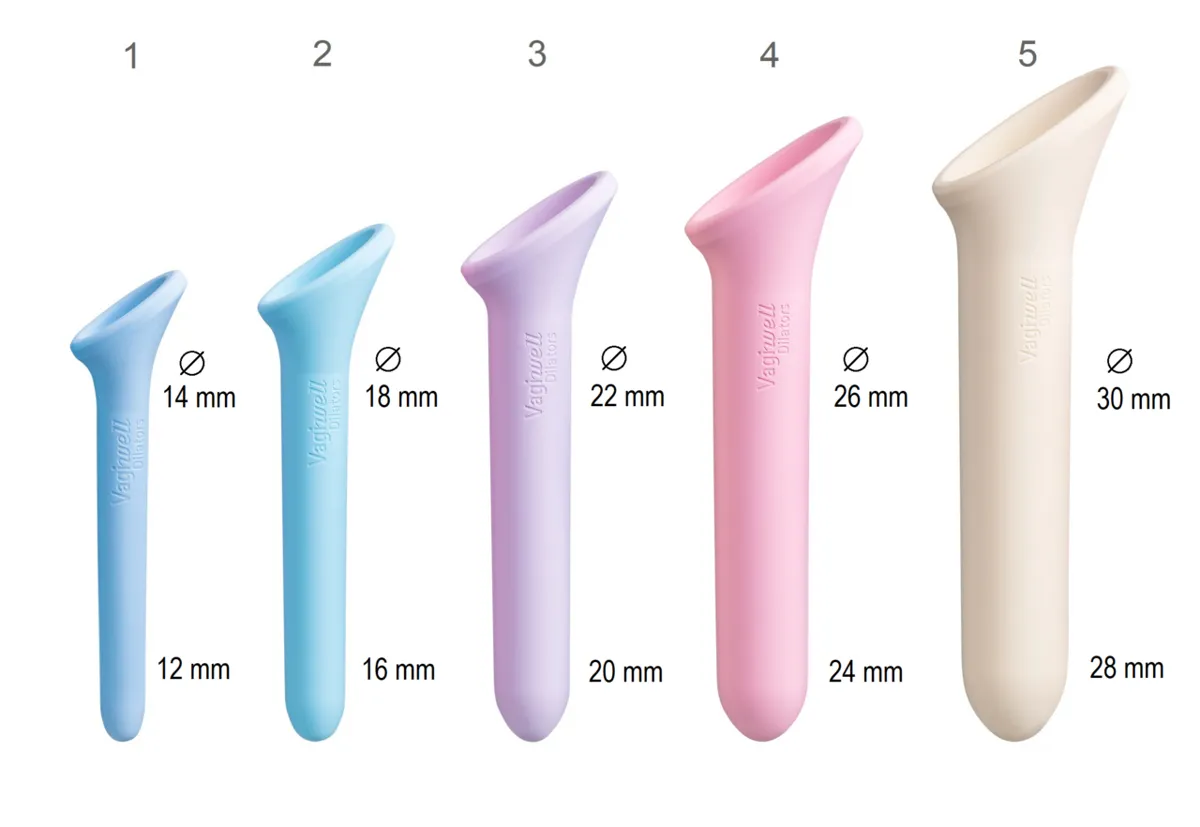
- After gonadectomy, lifelong oestrogen (or testosterone) replacement protects bone; vaginal dilation is first-line for vaginal hypoplasia
- Each 46,XY child of a carrier mother has a 50% risk of AIS; half of 46,XX daughters are carriers
Differential diagnosis
| Condition | Clues | Key test |
|---|---|---|
| Müllerian agenesis (MRKH syndrome) | Primary amenorrhoea with absent uterus but normal pubic hair and female testosterone | Karyotype 46,XX; ovaries present |
| 5α-reductase type 2 deficiency | 46,XY with atypical genitalia at birth and virilisation at puberty; male gender identity common | Raised testosterone:DHT ratio; SRD5A2 testing |
| 17β-hydroxysteroid dehydrogenase type 3 deficiency | 46,XY female-appearing infant who virilises at puberty | High androstenedione:testosterone ratio; HSD17B3 testing |
| 46,XY complete gonadal dysgenesis (Swyer syndrome) | Female with absent breast development and a uterus present | Low testosterone and AMH; streak gonads |
| Leydig cell hypoplasia | 46,XY under-virilised with low testosterone and high LH | Poor hCG response; LHCGR testing |
| Turner syndrome | Primary amenorrhoea in a short girl without breast development | Karyotype 45,X; high FSH; uterus present |
Exam pearls
Guideline
Global disorders of sex development update since 2006 (2016 international consensus update of the 2006 Chicago consensus), with the European COST DSDnet consensus statement on DSD care (2018) and Society for Endocrinology UK guidance on initial DSD evaluation (2016)
References
- Lee PA, Nordenström A, Houk CP, et al.. Global disorders of sex development update since 2006: perceptions, approach and care. Horm Res Paediatr 2016.
- Cools M, Nordenström A, Robeva R, et al.. Caring for individuals with a difference of sex development (DSD): a consensus statement. Nat Rev Endocrinol 2018.
- Ahmed SF, Achermann JC, Arlt W, et al.. Society for Endocrinology UK guidance on the initial evaluation of a suspected difference or disorder of sex development (revised 2015). Clin Endocrinol (Oxf) 2016.
- Hughes IA, Houk C, Ahmed SF, Lee PA.. Consensus statement on management of intersex disorders. Arch Dis Child 2006.
- Hughes IA, Davies JD, Bunch TI, Pasterski V, Mastroyannopoulou K, MacDougall J.. Androgen insensitivity syndrome. Lancet 2012.
- Birnbaum W, Marshall L, Werner R, et al.. Oestrogen versus androgen in hormone-replacement therapy for complete androgen insensitivity syndrome: a multicentre, randomised, double-dummy, double-blind crossover trial. Lancet Diabetes Endocrinol 2018.
Related topics
By Dr Khalid Seidi (B.Sc., M.D.) · MedEd World Clinical Knowledge library. Original teaching content checked against current guidelines (November 2026); confirm the latest local guidance before clinical use. Not a substitute for clinical judgement.