Clinical Knowledge › Internal medicine › Endocrinology › Reproductive endocrinology
Primary ovarian insufficiency
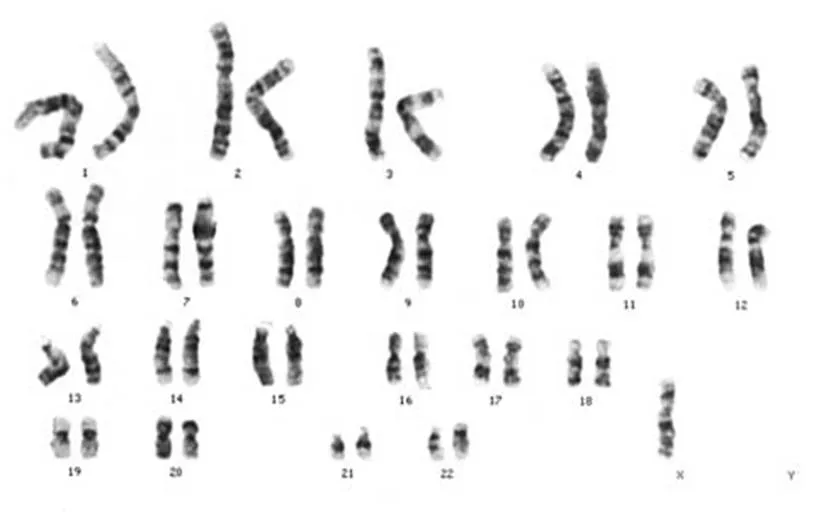
Primary ovarian insufficiency (POI), also called premature ovarian insufficiency, is loss of ovarian function before the age of 40. It is diagnosed when a woman under 40 has oligomenorrhoea or amenorrhoea for at least 4 months and a raised FSH above 25 IU/L; the 2024 international guideline requires only one raised FSH, with AMH used when the diagnosis is uncertain. POI affects about 1–3.5% of women. Most cases are idiopathic, but recognised causes include chromosomal disorders (Turner syndrome and its mosaic forms), FMR1 premutation (fragile X carrier state), other single-gene variants, autoimmune ovarian damage (often with adrenal or thyroid autoimmunity), and chemotherapy, pelvic radiotherapy or ovarian surgery. Women present with irregular or absent periods, hot flushes, vaginal dryness, low mood or infertility. Unlike menopause, ovarian function can return intermittently, and about 5% conceive spontaneously. Untreated oestrogen deficiency causes bone loss and raises cardiovascular risk, so hormone therapy is recommended until at least the average age of menopause. Work-up includes karyotype, FMR1 testing and autoantibodies; care also covers fertility, contraception, bone health and psychological support.
Patient case, mechanism, investigations, management, flashcards and exam-style questions.Open the lesson →
Key facts
- Definition (ESHRE/ASRM/CRE-WHiRL/IMS 2024): age below 40, oligo/amenorrhoea for at least 4 months and one FSH above 25 IU/L
- Prevalence about 1–3.5% of women; about 1 in 1,000 before 30 and 1 in 10,000 before 20
- Always exclude pregnancy, then check FSH with oestradiol, prolactin and TSH
- All women with POI should be offered a karyotype (Turner syndrome, Y material) and FMR1 premutation testing
- Screen for autoimmunity: 21-hydroxylase (adrenal) antibodies and thyroid peroxidase antibodies; positive adrenal antibodies require adrenal function testing
- Intermittent ovarian function persists in about a quarter; spontaneous pregnancy occurs in about 5%, so contraception is needed if pregnancy is not wanted
- Hormone therapy (oestradiol plus progestogen if the uterus is present) until at least about 51 protects bone, heart and quality of life; it does not raise breast cancer risk above that of age-matched women
- Oocyte donation IVF gives the highest pregnancy rate; fertility preservation should be offered before gonadotoxic cancer treatment
Differential diagnosis
| Condition | Clues | Key test |
|---|---|---|
| Pregnancy | Amenorrhoea with possible nausea or breast changes | Urine or serum hCG |
| Functional hypothalamic amenorrhoea | Low energy availability, weight loss, exercise or stress; low or normal FSH and LH | FSH, LH, oestradiol; history |
| Polycystic ovary syndrome | Oligomenorrhoea with hyperandrogenism; normal FSH, often raised LH | Androgens, AMH or ultrasound, FSH |
| Hyperprolactinaemia | Galactorrhoea, headache, low or normal FSH | Prolactin; pituitary MRI |
| Hypothyroidism | Fatigue, weight gain, menstrual disturbance | TSH and free T4 |
| Turner syndrome (primary amenorrhoea) | Short stature, absent puberty, webbed neck, coarctation | Karyotype |
| Asherman syndrome | Amenorrhoea after uterine instrumentation with normal hormones | Normal FSH and oestradiol; hysteroscopy |
Exam pearls
Guideline
ESHRE, ASRM, CRE-WHiRL and International Menopause Society evidence-based guideline on premature ovarian insufficiency (2024) and NICE NG23 Menopause (updated November 2024)
References
- Panay N, Anderson RA, Bennie A, et al.. Evidence-based guideline: premature ovarian insufficiency. Hum Reprod Open 2024.
- National Institute for Health and Care Excellence (NICE). Menopause: identification and management (NG23), updated November 2024. NICE guideline NG23 2024.
- Nelson LM.. Clinical practice. Primary ovarian insufficiency. N Engl J Med 2009.
- Golezar S, Ramezani Tehrani F, Khazaei S, Ebadi A, Keshavarz Z.. The global prevalence of primary ovarian insufficiency and early menopause: a meta-analysis. Climacteric 2019.
- Committee on Adolescent Health Care. Committee opinion no. 605: Primary ovarian insufficiency in adolescents and young women. Obstet Gynecol 2014.
- The North American Menopause Society (now The Menopause Society). The 2022 hormone therapy position statement of The North American Menopause Society. Menopause 2022.
Related topics
By Dr Khalid Seidi (B.Sc., M.D.) · MedEd World Clinical Knowledge library. Original teaching content checked against current guidelines (November 2026); confirm the latest local guidance before clinical use. Not a substitute for clinical judgement.