Clinical Knowledge › Internal medicine › Endocrinology › Reproductive endocrinology
Kallmann syndrome
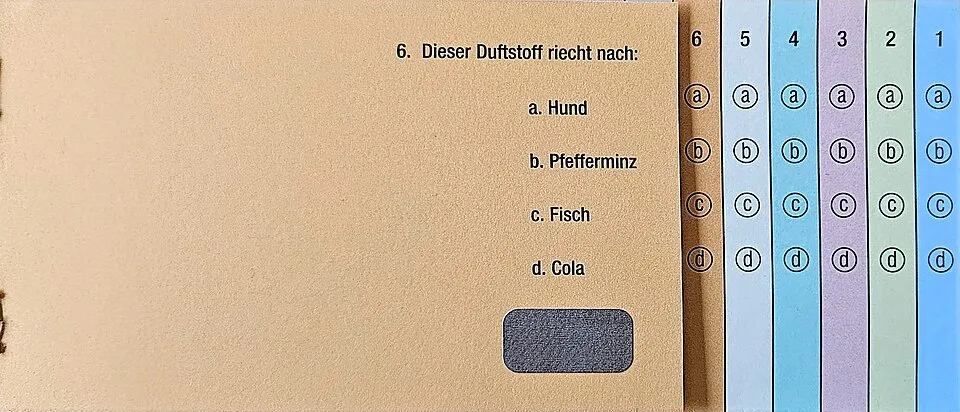
Kallmann syndrome is congenital hypogonadotropic hypogonadism (CHH) combined with an absent or reduced sense of smell. During embryonic life, GnRH neurons migrate from the olfactory placode into the hypothalamus along olfactory nerve fibres; when this migration fails, the olfactory bulbs are hypoplastic and GnRH secretion is absent. The result is low LH and FSH, low testosterone or oestradiol and failure of puberty, with otherwise normal pituitary function. Males are affected about 3–5 times as often as females. Boys may have micropenis and undescended testes at birth, and adolescents present with absent puberty, prepubertal testes (under 4 mL) and eunuchoid proportions; women present with primary amenorrhoea. Many patients do not notice their anosmia. Renal agenesis, mirror movements, cleft palate, dental agenesis or hearing loss may coexist, depending on the gene (ANOS1, FGFR1, PROKR2, CHD7, SOX10). Diagnosis rests on hormones, formal smell testing and MRI of the olfactory bulbs and pituitary. Sex steroids induce puberty; gonadotrophins or pulsatile GnRH can induce fertility.
Patient case, mechanism, investigations, management, flashcards and exam-style questions.Open the lesson →
Key facts
- Kallmann syndrome = CHH with anosmia or hyposmia; about half of CHH cases are anosmic, the rest are normosmic CHH
- Mechanism: failed migration of GnRH neurons from the olfactory placode with the olfactory axons, leaving olfactory bulbs hypoplastic or absent
- Hormones: low testosterone or oestradiol with low or inappropriately normal LH and FSH; other pituitary axes and prolactin are normal
- Male predominance (about 3–5:1); X-linked ANOS1 (KAL1) is associated with renal agenesis and mirror movements; FGFR1 with cleft palate and dental agenesis
- Neonatal clues in boys: micropenis and cryptorchidism, because the postnatal 'minipuberty' surge is absent
- Distinguishing CHH from constitutional delay of puberty is difficult in early adolescence; testes under 4 mL, anosmia, micropenis or cryptorchidism and low inhibin B favour CHH
- Treat with testosterone or oestradiol for puberty and adult replacement; use hCG with FSH (men) or pulsatile GnRH or gonadotrophins (both sexes) for fertility
- About 10–20% show spontaneous reversal of hypogonadism after treatment, so periodic reassessment is reasonable
Differential diagnosis
| Condition | Clues | Key test |
|---|---|---|
| Constitutional delay of growth and puberty | Short, late bloomer with a family history; normal smell; testes start growing by about 14 | Delayed bone age; spontaneous progression on follow-up |
| Normosmic CHH | Same hormonal profile with normal smell | Formal smell test; genetic testing (GNRHR, KISS1R, TACR3) |
| Pituitary or hypothalamic tumour (craniopharyngioma) | Headache, visual field loss, other hormone deficiencies, diabetes insipidus | Pituitary MRI; full pituitary function |
| Hyperprolactinaemia | Galactorrhoea, low libido, low gonadotrophins | Serum prolactin |
| Functional hypogonadotropic hypogonadism | Low weight, excessive exercise, chronic illness, opioids or anabolic steroids | History; recovers when cause removed |
| Klinefelter syndrome | Small testes but high LH and FSH | Karyotype 47,XXY |
| Haemochromatosis or other infiltrative disease | Acquired hypogonadism in adults with liver disease or diabetes | Ferritin and transferrin saturation |
| CHARGE syndrome | Coloboma, heart defects, choanal atresia, growth and ear anomalies with hypogonadism | CHD7 testing |
Exam pearls
Guideline
European Consensus Statement on congenital hypogonadotropic hypogonadism (2015), with the Endocrine Society testosterone therapy guideline (2018) and EAU Guidelines on Sexual and Reproductive Health (2025)
References
- Boehm U, Bouloux PM, Dattani MT, et al.. Expert consensus document: European Consensus Statement on congenital hypogonadotropic hypogonadism—pathogenesis, diagnosis and treatment. Nat Rev Endocrinol 2015.
- Young J, Xu C, Papadakis GE, et al.. Clinical management of congenital hypogonadotropic hypogonadism. Endocr Rev 2019.
- Bhasin S, Brito JP, Cunningham GR, et al.. Testosterone therapy in men with hypogonadism: an Endocrine Society clinical practice guideline. J Clin Endocrinol Metab 2018.
- Raivio T, Falardeau J, Dwyer A, et al.. Reversal of idiopathic hypogonadotropic hypogonadism. N Engl J Med 2007.
- European Association of Urology. EAU Guidelines on Sexual and Reproductive Health. EAU Guidelines Office, Arnhem 2025.
- Palmert MR, Dunkel L.. Delayed puberty. N Engl J Med 2012.
Related topics
By Dr Khalid Seidi (B.Sc., M.D.) · MedEd World Clinical Knowledge library. Original teaching content checked against current guidelines (November 2026); confirm the latest local guidance before clinical use. Not a substitute for clinical judgement.