Clinical Knowledge › Internal medicine › Endocrinology › Relevant pharmacology
Anti-obesity drugs
Anti-obesity drugs are used with diet, activity and behavioural support to treat obesity as a chronic disease. Nutrient-stimulated hormone (incretin) therapies now dominate: weekly semaglutide 2.4 mg gives about 15% mean weight loss and, in SELECT, 20% fewer cardiovascular events; weekly tirzepatide (GIP/GLP-1 co-agonist) gives about 20%; liraglutide 3 mg daily about 8%. Oral options are arriving: higher-dose oral semaglutide and the small-molecule GLP-1 receptor agonist orforglipron (about 11% loss in ATTAIN-1) have completed phase 3 trials and are approved or under regulatory review in some regions. Older drugs (orlistat, phentermine–topiramate, naltrexone–bupropion) give 3–10% and have specific harms. Setmelanotide treats rare monogenic melanocortin-pathway obesity. NICE NG246 (2025) and regulators restrict use by BMI and comorbidity, with lower thresholds for some ethnic groups. Weight returns when treatment stops, so these are long-term medicines. Key safety issues are gastrointestinal effects, gallstones, pancreatitis, dehydration, aspiration risk and pregnancy.
Patient case, mechanism, investigations, management, flashcards and exam-style questions.Open the lesson →
Key facts
- Indications (FDA/EMA): BMI 30 or more, or 27 or more with a weight-related condition; NICE uses higher, comorbidity-based thresholds and 2.5 lower for some ethnic groups
- Semaglutide 2.4 mg weekly: about 15% weight loss (STEP-1) and 20% fewer major cardiovascular events in people with CVD without diabetes (SELECT)
- Tirzepatide up to 15 mg weekly: about 20% weight loss (SURMOUNT-1) and more than semaglutide head-to-head (SURMOUNT-5)
- Start low and escalate every 4 weeks to limit nausea and vomiting
- Orlistat blocks gut lipases: about 3% extra weight loss, steatorrhoea and fat-soluble vitamin malabsorption
- Phentermine–topiramate is teratogenic; naltrexone–bupropion is contraindicated in seizures, uncontrolled hypertension and opioid use
- Most lost weight is regained within about a year of stopping; plan long-term therapy
- Withdrawn agents (fenfluramine, rimonabant, sibutramine, lorcaserin) show why long-term safety data matter
Differential diagnosis
| Condition | Clues | Key test |
|---|---|---|
| Incretin drug gastrointestinal effects | Nausea and vomiting after dose increase | Clinical; review hydration and kidney function |
| Acute pancreatitis | Severe epigastric pain radiating to back | Lipase, ultrasound for gallstones |
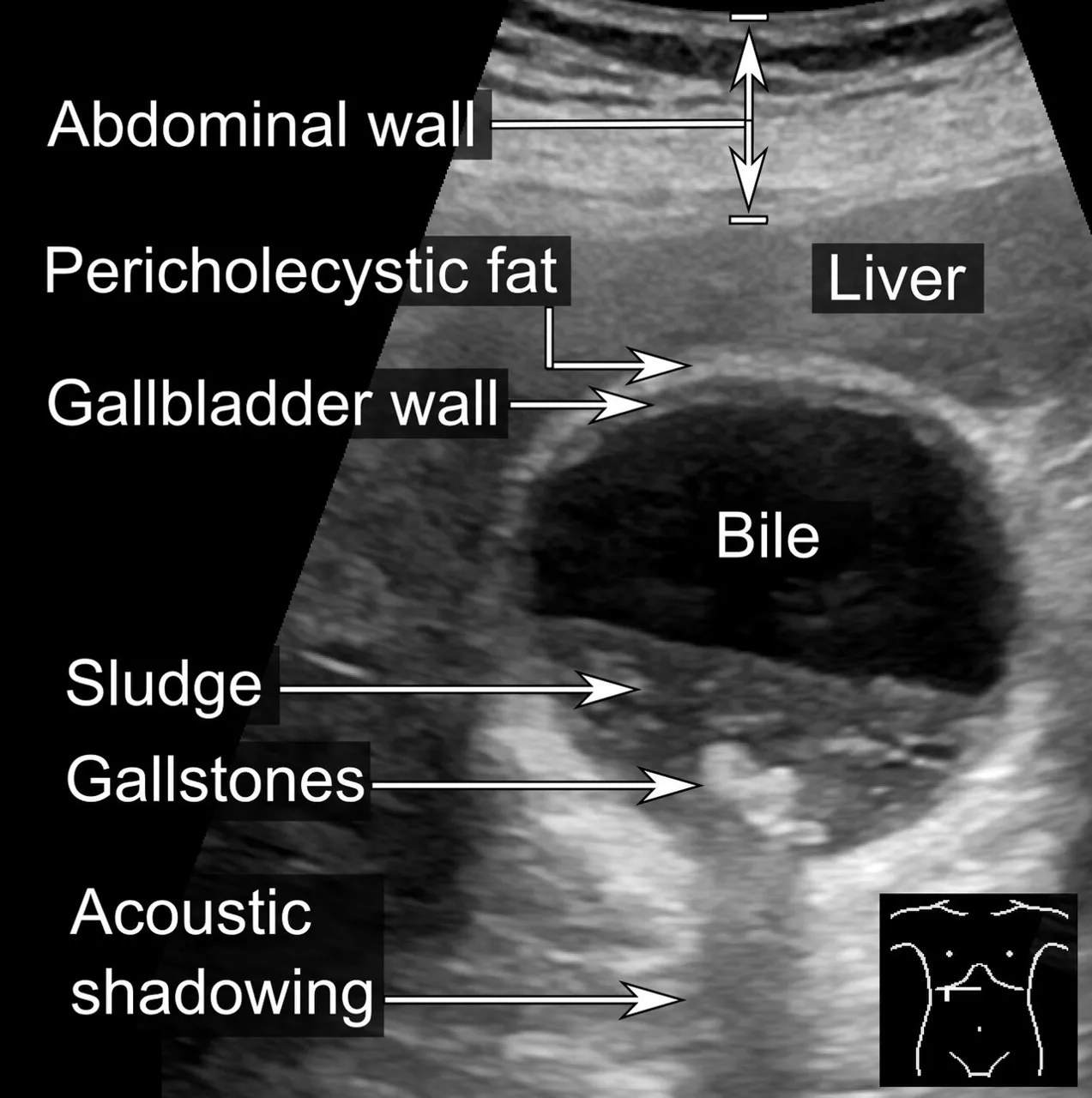
| Acute cholecystitis or biliary colic | Right upper quadrant pain after rapid weight loss | Ultrasound |
| Prerenal AKI | Vomiting, diarrhoea, poor intake on GLP-1 RA | Creatinine, volume status |
| Hypoglycaemia in diabetes | On sulfonylurea or insulin plus incretin drug | Capillary glucose; reduce other agents |
| Secondary cause of weight gain | Cushing syndrome, hypothyroidism, drugs (antipsychotics, insulin, steroids) | Screen before or alongside drug therapy |
| Eating disorder | Request for drug despite normal BMI | Assess history; do not prescribe |
Exam pearls
Guideline
NICE NG246 Overweight and obesity management (2025) with NICE TA875 (semaglutide, 2023) and TA1026 (tirzepatide, 2024), and the Lancet Diabetes & Endocrinology Commission on clinical obesity (2025)
References
- National Institute for Health and Care Excellence. Overweight and obesity management (NG246). NICE, London 2025.
- Rubino F, Cummings DE, Eckel RH, et al.. Definition and diagnostic criteria of clinical obesity. Lancet Diabetes Endocrinol 2025.
- Wilding JPH, Batterham RL, Calanna S, et al.. Once-weekly semaglutide in adults with overweight or obesity. N Engl J Med 2021.
- Jastreboff AM, Aronne LJ, Ahmad NN, et al.. Tirzepatide once weekly for the treatment of obesity. N Engl J Med 2022.
- Lincoff AM, Brown-Frandsen K, Colhoun HM, et al.. Semaglutide and cardiovascular outcomes in obesity without diabetes. N Engl J Med 2023.
- Aronne LJ, Horn DB, le Roux CW, et al.. Tirzepatide as compared with semaglutide for the treatment of obesity. N Engl J Med 2025.
Related topics
By Dr Khalid Seidi (B.Sc., M.D.) · MedEd World Clinical Knowledge library. Original teaching content checked against current guidelines (November 2026); confirm the latest local guidance before clinical use. Not a substitute for clinical judgement.