Clinical Knowledge › Internal medicine › Infectious diseases › Zoonoses and parasitic infections
Brucellosis
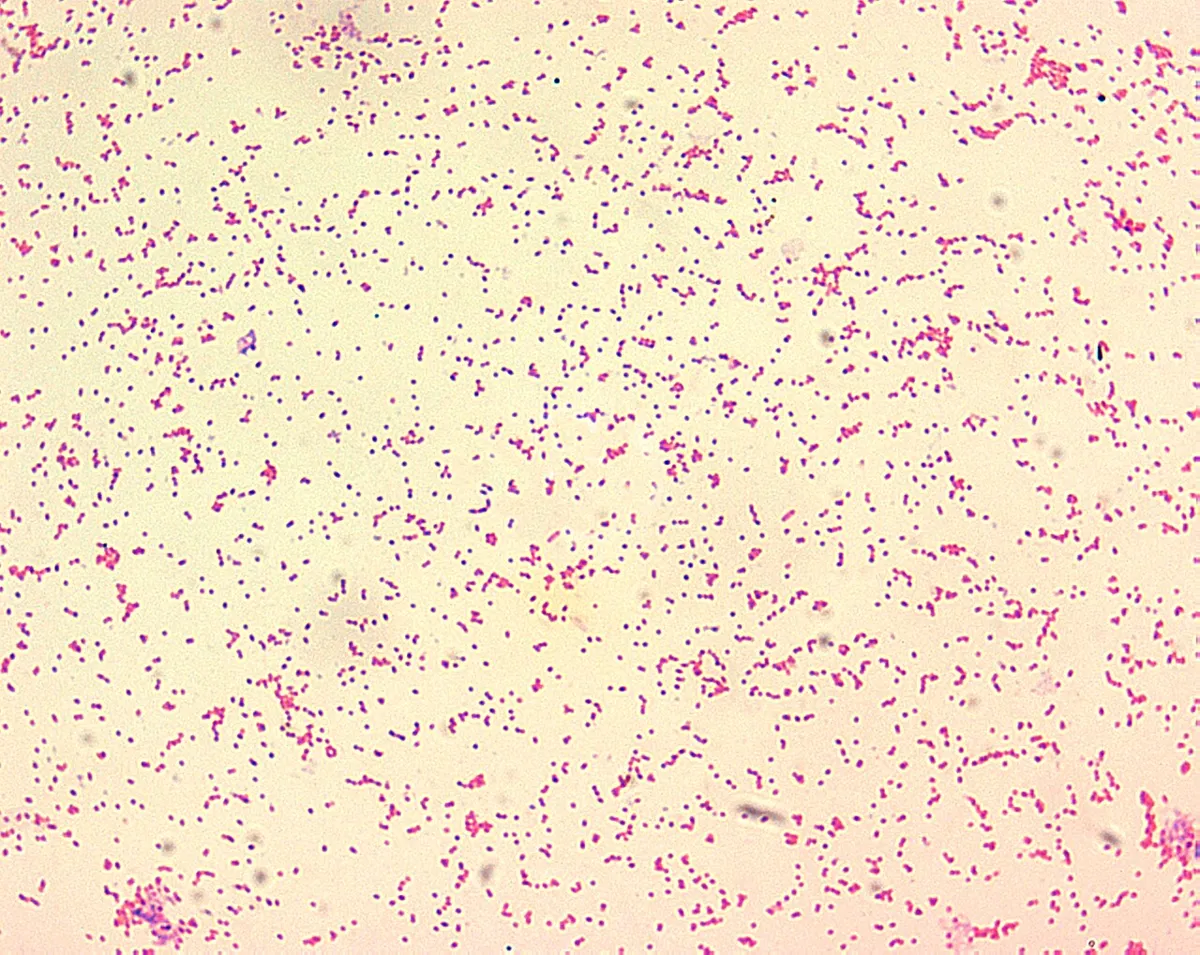
Brucellosis is the commonest bacterial zoonosis worldwide, caused by small, facultatively intracellular Gram-negative coccobacilli of the genus Brucella, mainly B. melitensis from goats and sheep, B. abortus from cattle and B. suis from pigs. People are infected by consuming unpasteurised milk or soft cheese, by contact with placentas, aborted fetuses and animal fluids, by inhaling aerosols and in laboratories. It is endemic in the Middle East, Central Asia, the Mediterranean, Africa and Latin America. After 2–4 weeks it causes an insidious, often undulant fever with drenching sweats, arthralgia, back pain, fatigue and hepatosplenomegaly, and it is a classic cause of pyrexia of unknown origin. Focal disease is common: sacroiliitis and lumbar spondylitis, epididymo-orchitis, neurobrucellosis and endocarditis, the main cause of death. Diagnosis rests on blood or bone marrow culture and serology. Treatment needs combination therapy for at least 6 weeks, preferably doxycycline with an aminoglycoside, because monotherapy and short courses relapse.
Patient case, mechanism, investigations, management, flashcards and exam-style questions.Open the lesson →
Key facts
- Brucella spp. are small Gram-negative coccobacilli that survive inside macrophages and localise to the reticuloendothelial system, bones and joints
- B. melitensis (goats, sheep, camels) is the most common and most virulent species in humans; B. abortus comes from cattle, B. suis from pigs and B. canis from dogs
- Main routes: unpasteurised dairy products, contact with birth products of infected animals, inhalation, and laboratory exposure (a leading laboratory-acquired bacterial infection)
- Undulant fever, malodorous sweats, arthralgia, low back pain, fatigue, hepatosplenomegaly and relative lymphocytosis are typical
- Osteoarticular disease is the commonest focal complication: sacroiliitis in younger and lumbar spondylitis in older patients
- Endocarditis, usually of the aortic valve, accounts for most deaths
- Confirm by culture of blood or bone marrow (most sensitive) and serology (serum agglutination test titre ≥ 1:160, or higher in endemic areas)
- Preferred regimen: doxycycline for 6 weeks plus streptomycin for 2–3 weeks or gentamicin for 7 days; doxycycline plus rifampicin is an all-oral alternative
Differential diagnosis
| Condition | Clues | Key test |
|---|---|---|
| Tuberculous spondylitis (Pott disease) | Thoracic spine, vertebral collapse, large paravertebral abscess, kyphosis | MRI, biopsy for AFB culture and Xpert; Brucella serology |
| Enteric fever | Stepwise fever, abdominal pain, rose spots, travel | Blood culture |
| Q fever | Livestock exposure, pneumonia or granulomatous hepatitis | Coxiella phase II serology |
| Visceral leishmaniasis | Massive splenomegaly, pancytopenia, endemic area | rK39 rapid test, bone marrow aspirate |
| Lymphoma | B symptoms, lymphadenopathy, splenomegaly | Imaging and lymph node biopsy |
| Infective endocarditis (other organisms) | Murmur, embolic phenomena, positive standard cultures | Blood cultures, echocardiography; Brucella is a cause of culture-negative endocarditis |
| Reactive or seronegative spondyloarthritis | Sacroiliitis, enthesitis, HLA-B27 | Brucella serology and cultures in endemic areas |
Exam pearls
Guideline
Ioannina consensus recommendations for the treatment of brucellosis (2007), with WHO 'Brucellosis in humans and animals' (2006)
References
- Ariza J, Bosilkovski M, Cascio A, et al.. Perspectives for the treatment of brucellosis in the 21st century: the Ioannina recommendations. PLoS Med 2007.
- World Health Organization; Food and Agriculture Organization; World Organisation for Animal Health. Brucellosis in humans and animals. World Health Organization, Geneva 2006.
- Pappas G, Akritidis N, Bosilkovski M, Tsianos E.. Brucellosis. N Engl J Med 2005.
- Pappas G, Papadimitriou P, Akritidis N, Christou L, Tsianos EV.. The new global map of human brucellosis. Lancet Infect Dis 2006.
- Solís García del Pozo J, Solera J.. Systematic review and meta-analysis of randomized clinical trials in the treatment of human brucellosis. PLoS One 2012.
- Laine CG, Johnson VE, Scott HM, Arenas-Gamboa AM.. Global estimate of human brucellosis incidence. Emerg Infect Dis 2023.
Related topics
By Dr Khalid Seidi (B.Sc., M.D.) · MedEd World Clinical Knowledge library. Original teaching content checked against current guidelines (November 2026); confirm the latest local guidance before clinical use. Not a substitute for clinical judgement.