Clinical Knowledge › Internal medicine › Infectious diseases › Zoonoses and parasitic infections
Toxoplasmosis
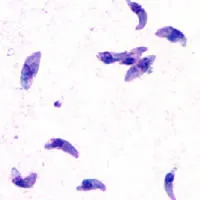
Toxoplasma gondii is an obligate intracellular protozoan whose definitive hosts are cats; humans are infected by swallowing oocysts from cat faeces, soil or water, or tissue cysts in undercooked meat. Up to a third of the world's population carries latent infection. In immunocompetent people acute infection is usually silent or causes self-limiting cervical lymphadenopathy with mild fever and fatigue, although ocular toxoplasmosis can follow acquired or congenital infection and is a leading cause of posterior uveitis. Primary infection in pregnancy can cross the placenta: transmission risk rises with gestational age while severity falls, and congenital disease causes chorioretinitis, intracranial calcification and hydrocephalus. Reactivation in advanced HIV or other severe T-cell deficiency causes cerebral toxoplasmosis, covered in detail elsewhere. Diagnosis combines IgG and IgM serology with avidity testing, PCR on amniotic fluid or ocular samples and imaging. Pyrimethamine with sulfadiazine and folinic acid is the standard regimen; spiramycin is used in pregnancy to reduce transmission.
Patient case, mechanism, investigations, management, flashcards and exam-style questions.Open the lesson →
Key facts
- Cats are the definitive host; humans are infected by oocysts (cat faeces, soil, water, unwashed vegetables) or tissue cysts in undercooked meat
- Seroprevalence varies from under 10% to over 60% depending on diet and sanitation; infection is lifelong as tissue cysts
- Most acute infection in immunocompetent people is asymptomatic or causes painless cervical lymphadenopathy with fatigue
- Toxoplasma is a common cause of posterior uveitis: a focal retinochoroiditis next to a pigmented scar, described as a 'headlight in the fog'
- In pregnancy, transmission risk rises from about 10-15% in the first trimester to over 60% near term, while fetal damage is more severe earlier
- Classic congenital triad: chorioretinitis, diffuse intracranial calcification and hydrocephalus (most infected infants are normal at birth)
- IgG avidity testing helps date infection: high avidity suggests infection more than 3-4 months earlier
- Pyrimethamine inhibits dihydrofolate reductase, so folinic acid (not folic acid) must be co-prescribed to protect the bone marrow
Differential diagnosis
| Condition | Clues | Key test |
|---|---|---|
| Infectious mononucleosis (EBV) | Sore throat, splenomegaly, atypical lymphocytes | EBV serology or monospot; Toxoplasma serology |
| Cytomegalovirus infection | Fever, fatigue, mild hepatitis | CMV IgM/IgG and PCR |
| Acute HIV infection | Rash, pharyngitis, risk exposure | HIV antigen/antibody test and viral load |
| Lymphoma | Persistent painless nodes, B symptoms, large nodes | Node biopsy and imaging |
| Cat scratch disease | Tender regional node after cat scratch | Bartonella serology |
| Tuberculous lymphadenitis | Matted nodes, constitutional symptoms, endemic exposure | Node aspirate for acid-fast bacilli, culture and PCR |
| Other causes of posterior uveitis (CMV retinitis, tuberculosis, syphilis) | Immunosuppression, different retinal patterns | Ocular PCR, HIV and syphilis serology |
Exam pearls
Guideline
WHO and national antenatal screening policies with specialist society guidance on toxoplasmosis (including US Public Health Service/IDSA opportunistic infection guidance for people with HIV, updated regularly)
References
- Montoya JG, Liesenfeld O. Toxoplasmosis. Lancet 2004.
- Mandelbrot L, Kieffer F, Sitta R, et al.. Prenatal therapy with pyrimethamine + sulfadiazine vs spiramycin to reduce placental transmission of toxoplasmosis: a multicenter, randomized trial. Am J Obstet Gynecol 2018.
- World Health Organization. WHO recommendations on antenatal care for a positive pregnancy experience. WHO 2016.
- Bennett JE, Dolin R, Blaser MJ, eds.. Mandell, Douglas, and Bennett's Principles and Practice of Infectious Diseases. 2020.
- Farrar J, Garcia PJ, Hotez PJ, et al., eds.. Manson's Tropical Diseases. 2023.
- Penman ID, Ralston SH, Strachan MWJ, Hobson RP, eds.. Davidson's Principles and Practice of Medicine. 2022.
Related topics
By Dr Khalid Seidi (B.Sc., M.D.) · MedEd World Clinical Knowledge library. Original teaching content checked against current guidelines (November 2026); confirm the latest local guidance before clinical use. Not a substitute for clinical judgement.