Clinical Knowledge › Internal medicine › Infectious diseases › Zoonoses and parasitic infections
Q fever
Q fever is a zoonosis caused by Coxiella burnetii, an obligate intracellular Gram-negative bacterium whose spore-like form survives for long periods in the environment and spreads on the wind. Cattle, sheep and goats shed huge numbers of organisms in placentas and birth fluids, and humans are infected mainly by inhaling contaminated dust or aerosols; a single organism may cause infection. Farmers, vets and abattoir workers are at risk, and large outbreaks have followed goat-farm infections, as in the Netherlands in 2007–2010. Acute Q fever presents after 2–3 weeks as a flu-like illness with severe headache, atypical pneumonia or granulomatous hepatitis. A small proportion develop persistent (chronic) infection, mainly blood-culture-negative endocarditis or infection of vascular aneurysms and grafts in people with valve disease, vascular prostheses or immunosuppression. Diagnosis relies on PCR early and on serology against phase I and phase II antigens. Acute disease is treated with doxycycline for 14 days; endocarditis needs doxycycline plus hydroxychloroquine for at least 18 months.
Patient case, mechanism, investigations, management, flashcards and exam-style questions.Open the lesson →
Key facts
- Coxiella burnetii is an intracellular Gram-negative bacterium (classically obligate, although reference laboratories can now grow it in cell-free axenic media) that replicates in an acidic phagolysosome and forms a highly resistant small-cell variant that spreads by wind
- Main reservoirs are cattle, sheep and goats; birth products contain enormous numbers of organisms; infection is mostly by inhalation
- About half of infected people are asymptomatic; incubation of acute Q fever is about 2–3 weeks
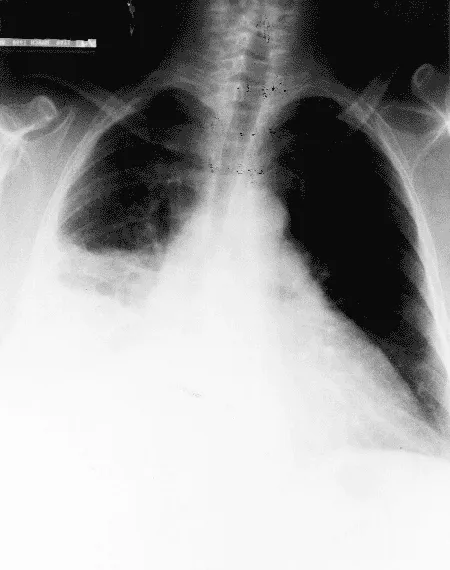
- Acute disease: flu-like fever with severe headache, atypical pneumonia, granulomatous hepatitis with fibrin-ring ('doughnut') granulomas and thrombocytopenia
- Phase II antibodies dominate in acute infection; high phase I IgG (≥ 1:800 by the French and modified Duke criteria) indicates persistent infection
- Persistent Q fever is most often blood-culture-negative endocarditis in patients with pre-existing valve disease or prosthetic valves
- Acute Q fever: doxycycline 100 mg twice daily for 14 days; pregnancy: long-term co-trimoxazole
- Endocarditis: doxycycline plus hydroxychloroquine for at least 18 months (native valve) or 24 months (prosthetic valve)
Differential diagnosis
| Condition | Clues | Key test |
|---|---|---|
| Influenza | Seasonal, cough and coryza, shorter course | Respiratory viral PCR |
| Legionella or Mycoplasma pneumonia | Atypical pneumonia; Legionella with hyponatraemia and diarrhoea | Legionella urinary antigen, respiratory PCR |
| Psittacosis | Bird exposure, pneumonia, splenomegaly | Chlamydia psittaci PCR or serology |
| Brucellosis | Raw dairy, undulant fever, back pain, hepatosplenomegaly | Blood culture, Brucella agglutination |
| Acute viral hepatitis | Very high transaminases, jaundice | Hepatitis A, B, E serology |
| Leptospirosis | Water exposure, conjunctival suffusion, AKI | Leptospira PCR or serology |
| Bartonella endocarditis | Cat or louse exposure, homelessness, culture-negative endocarditis | Bartonella serology and valve PCR |
Exam pearls
Guideline
CDC and Q Fever Working Group: Diagnosis and management of Q fever – United States (MMWR Recommendations and Reports, 2013)
References
- Anderson A, Bijlmer H, Fournier PE, et al.. Diagnosis and management of Q fever – United States, 2013: recommendations from CDC and the Q Fever Working Group. MMWR Recomm Rep 2013.
- Eldin C, Mélenotte C, Mediannikov O, et al.. From Q fever to Coxiella burnetii infection: a paradigm change. Clin Microbiol Rev 2017.
- Maurin M, Raoult D.. Q fever. Clin Microbiol Rev 1999.
- Raoult D, Houpikian P, Tissot Dupont H, et al.. Treatment of Q fever endocarditis: comparison of 2 regimens containing doxycycline and ofloxacin or hydroxychloroquine. Arch Intern Med 1999.
- Million M, Thuny F, Richet H, Raoult D.. Long-term outcome of Q fever endocarditis: a 26-year personal survey. Lancet Infect Dis 2010.
- Penman ID, Ralston SH, Strachan MWJ, Hobson RP, eds.. Davidson's Principles and Practice of Medicine. 2022.
Related topics
By Dr Khalid Seidi (B.Sc., M.D.) · MedEd World Clinical Knowledge library. Original teaching content checked against current guidelines (November 2026); confirm the latest local guidance before clinical use. Not a substitute for clinical judgement.