Clinical Knowledge › Internal medicine › Infectious diseases › Urinary and sexually transmitted infections
Catheter-associated urinary tract infection
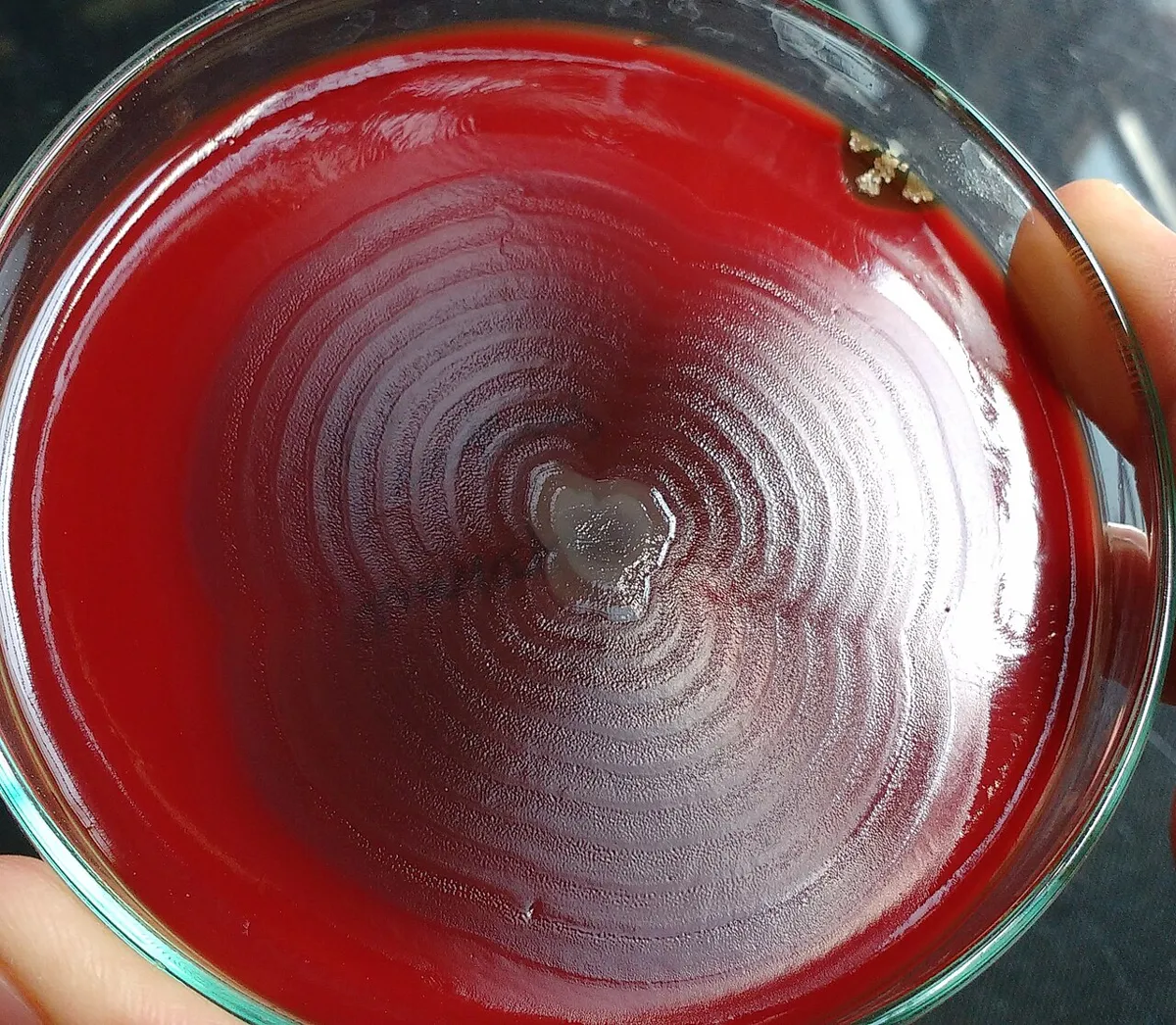
Catheter-associated urinary tract infection (CAUTI) is symptomatic infection of the urinary tract in a person with an indwelling urethral or suprapubic catheter, or within 48 hours of its removal, with no other source identified. It must be separated from catheter-associated asymptomatic bacteriuria, which is almost universal with long-term catheters and should not be treated. Bacteriuria develops at about 3–7% per day of catheterisation as organisms climb the outer surface or the lumen and form a biofilm; Proteus mirabilis forms crystalline biofilm that blocks catheters. Infection is usually caused by E. coli, Klebsiella, Proteus, Pseudomonas, enterococci and Candida, often resistant. Symptoms are fever, rigors, delirium, flank or suprapubic pain and haematuria; cloudy or smelly urine is not enough. Dipsticks are unreliable, so a urine culture is taken from the sampling port or from a new catheter, with blood cultures if febrile. Treatment is to change or remove the catheter and give about 7 days of an antibiotic guided by culture. Avoiding unnecessary catheters and removing them early is the most effective prevention.
Patient case, mechanism, investigations, management, flashcards and exam-style questions.Open the lesson →
Key facts
- CAUTI = symptoms or signs of UTI in a catheterised patient (or within 48 h of removal) with significant bacteriuria and no other source
- Bacteriuria develops at about 3–7% per catheter-day and is near-universal after 30 days; catheter-associated asymptomatic bacteriuria should not be screened for or treated
- Do not use urine dipsticks in catheterised patients; pyuria and cloudy or offensive urine do not indicate infection
- Take the sample from the sampling port, never from the drainage bag; if the catheter has been in for more than 7 days, change it and sample from the new catheter (without delaying antibiotics)
- Typical organisms: E. coli, Klebsiella, Proteus, Pseudomonas, enterococci, Candida; multidrug resistance is common
- Proteus mirabilis urease raises urine pH, causing struvite crystalline biofilm, catheter blockage and stones
- Usual treatment course is about 7 days, guided by culture (IDSA 2025: 7 days of a non-fluoroquinolone or 5–7 days of a fluoroquinolone, even with Gram-negative bacteraemia if improving); 10–14 days if response is delayed or acute prostatitis is suspected
- Prevention: avoid unnecessary catheters, aseptic insertion, closed drainage, daily review and early removal; no routine prophylaxis or bladder washouts
Differential diagnosis
| Condition | Clues | Key test |
|---|---|---|
| Catheter-associated asymptomatic bacteriuria | Positive culture without fever or urinary symptoms | No treatment; look for another cause of any illness |
| Hospital-acquired pneumonia | Fever with cough, new oxygen requirement | Chest X-ray, sputum culture |
| Catheter-related bloodstream infection | Fever with central line, exit-site erythema | Paired blood cultures from line and periphery |
| Clostridioides difficile infection | Fever, diarrhoea, recent antibiotics | Stool toxin and GDH testing |
| Acute urinary retention from blocked catheter | Suprapubic pain, bypassing, no drainage | Bladder scan; flush or change catheter |
| Acute prostatitis or epididymo-orchitis | Perineal or scrotal pain in a catheterised man | Rectal or scrotal examination; ultrasound |
| Drug fever or venous thromboembolism | Fever with no localising source, new drug or calf swelling | Medication review, D-dimer and imaging |
Exam pearls
Guideline
NICE NG113 Urinary tract infection (catheter-associated): antimicrobial prescribing (2018), IDSA international CAUTI guideline (2009), IDSA complicated UTI guideline (2025), SHEA/IDSA/APIC Compendium strategies to prevent CAUTI (2022 update) and EAU Guidelines on Urological Infections (2025)
References
- National Institute for Health and Care Excellence. Urinary tract infection (catheter-associated): antimicrobial prescribing (NG113). NICE 2018.
- Hooton TM, Bradley SF, Cardenas DD, et al.. Diagnosis, prevention, and treatment of catheter-associated urinary tract infection in adults: 2009 International Clinical Practice Guidelines from the Infectious Diseases Society of America. Clin Infect Dis 2010.
- Trautner BW, Cortés-Penfield NW, Gupta K, et al.. Clinical Practice Guidelines by Infectious Diseases Society of America (IDSA): 2025 Guidelines on Management and Treatment of Complicated Urinary Tract Infections – Duration of Antibiotics for Complicated UTI. Clin Infect Dis 2026.
- Patel PK, Advani SD, Kofman AD, et al.. Strategies to prevent catheter-associated urinary tract infections in acute-care hospitals: 2022 update. Infect Control Hosp Epidemiol 2023.
- European Association of Urology (EAU). EAU Guidelines on Urological Infections. EAU Guidelines Office, Arnhem 2025.
- Loveday HP, Wilson JA, Pratt RJ, et al.. epic3: national evidence-based guidelines for preventing healthcare-associated infections in NHS hospitals in England. J Hosp Infect 2014.
Related topics
By Dr Khalid Seidi (B.Sc., M.D.) · MedEd World Clinical Knowledge library. Original teaching content checked against current guidelines (November 2026); confirm the latest local guidance before clinical use. Not a substitute for clinical judgement.