Clinical Knowledge › Internal medicine › Infectious diseases › Urinary and sexually transmitted infections
Chlamydia
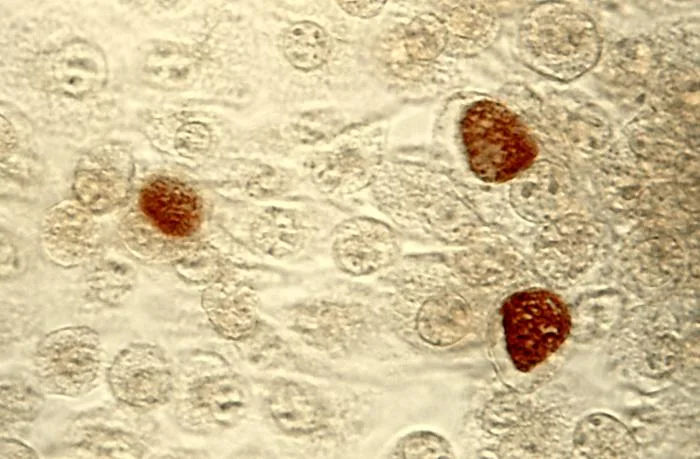
Chlamydia trachomatis is an obligate intracellular bacterium and the commonest bacterial sexually transmitted infection worldwide. Genital serovars D–K infect columnar epithelium of the cervix, urethra, rectum, pharynx and conjunctiva; serovars L1–L3 cause lymphogranuloma venereum (LGV), and serovars A–C cause trachoma. Most infections are asymptomatic, especially in women, so diagnosis depends on testing people at risk: a nucleic acid amplification test (NAAT) on a self-taken vulvovaginal swab in women and first-void urine in men, with rectal and pharyngeal swabs guided by sexual practices. Untreated infection ascends to cause pelvic inflammatory disease, tubal infertility, ectopic pregnancy and chronic pelvic pain. Doxycycline 100 mg twice daily for 7 days is first-line for all sites; azithromycin regimens are alternatives and are used in pregnancy. Management includes partner notification, abstinence until both partners are treated, retesting of young people at 2–6 months, and testing for HIV and syphilis.
Patient case, mechanism, investigations, management, flashcards and exam-style questions.Open the lesson →
Key facts
- Commonest bacterial STI: WHO estimates over 120 million new adult infections a year; highest rates in people under 25
- About 70% of infected women and 50% of infected men are asymptomatic
- NAAT is the test of choice: vulvovaginal swab (women), first-void urine (men), plus rectal and pharyngeal swabs by exposure
- First line for uncomplicated urogenital, rectal and pharyngeal infection: doxycycline 100 mg twice daily for 7 days
- Pregnancy: azithromycin 1 g then 500 mg daily for 2 days (or 1 g single dose), erythromycin or amoxicillin; test of cure at least 3 weeks after treatment
- Test of cure is not routine; NAAT can stay positive for 3–5 weeks after successful treatment because of residual DNA
- LGV (serovars L1–L3) causes proctitis in men who have sex with men; treat with doxycycline for 21 days
- Complications: PID, ectopic pregnancy, tubal infertility, epididymo-orchitis, sexually acquired reactive arthritis, Fitz-Hugh–Curtis perihepatitis and neonatal conjunctivitis and pneumonia
Differential diagnosis
| Condition | Clues | Key test |
|---|---|---|
| Gonorrhoea | Purulent discharge, shorter incubation; often co-infection | NAAT and culture with sensitivities |
| Mycoplasma genitalium | Persistent urethritis or cervicitis after doxycycline | M. genitalium NAAT with macrolide resistance testing |
| Trichomoniasis | Frothy yellow-green discharge, vulval itch, 'strawberry' cervix | Trichomonas NAAT |
| Bacterial vaginosis | Thin grey fishy-smelling discharge, pH above 4.5 | Amsel criteria or Gram stain (Nugent score) |
| Lower UTI | Frequency and urgency, nitrite positive, no discharge | Urine dipstick and culture |
| Ectopic pregnancy | Pelvic pain with missed period, vaginal bleeding | Pregnancy test and transvaginal ultrasound |
| Herpes simplex proctitis or urethritis | Painful ulcers, severe dysuria | HSV PCR |
Exam pearls
Guideline
BASHH UK national guideline for the management of Chlamydia trachomatis infection (2026), CDC Sexually Transmitted Infections Treatment Guidelines (2021) and WHO updated recommendations for chlamydia, gonorrhoea and syphilis treatment (2024)
References
- Saunders J, Burley N, Brice S, et al.. BASHH UK national guideline for the management of infection with Chlamydia trachomatis. BASHH 2026.
- Workowski KA, Bachmann LH, Chan PA, et al.. Sexually transmitted infections treatment guidelines, 2021. MMWR Recomm Rep 2021.
- World Health Organization. Updated recommendations for the treatment of Neisseria gonorrhoeae, Chlamydia trachomatis and Treponema pallidum (syphilis) and new recommendations on syphilis testing and partner services. World Health Organization 2024.
- Bachmann LH, Barbee LA, Chan P, et al.. CDC clinical guidelines on the use of doxycycline postexposure prophylaxis for bacterial sexually transmitted infection prevention, United States, 2024. MMWR Recomm Rep 2024.
- Saunders J, et al.. BASHH UK national guideline for the use of doxycycline post-exposure prophylaxis (doxyPEP). BASHH 2025.
- Lau A, Kong FYS, Fairley CK, et al.. Azithromycin or doxycycline for asymptomatic rectal Chlamydia trachomatis. N Engl J Med 2021.
Related topics
By Dr Khalid Seidi (B.Sc., M.D.) · MedEd World Clinical Knowledge library. Original teaching content checked against current guidelines (November 2026); confirm the latest local guidance before clinical use. Not a substitute for clinical judgement.