Clinical Knowledge › Neurology › Headache, facial pain and cranial nerve disorders
Cluster headache and other trigeminal autonomic cephalalgias
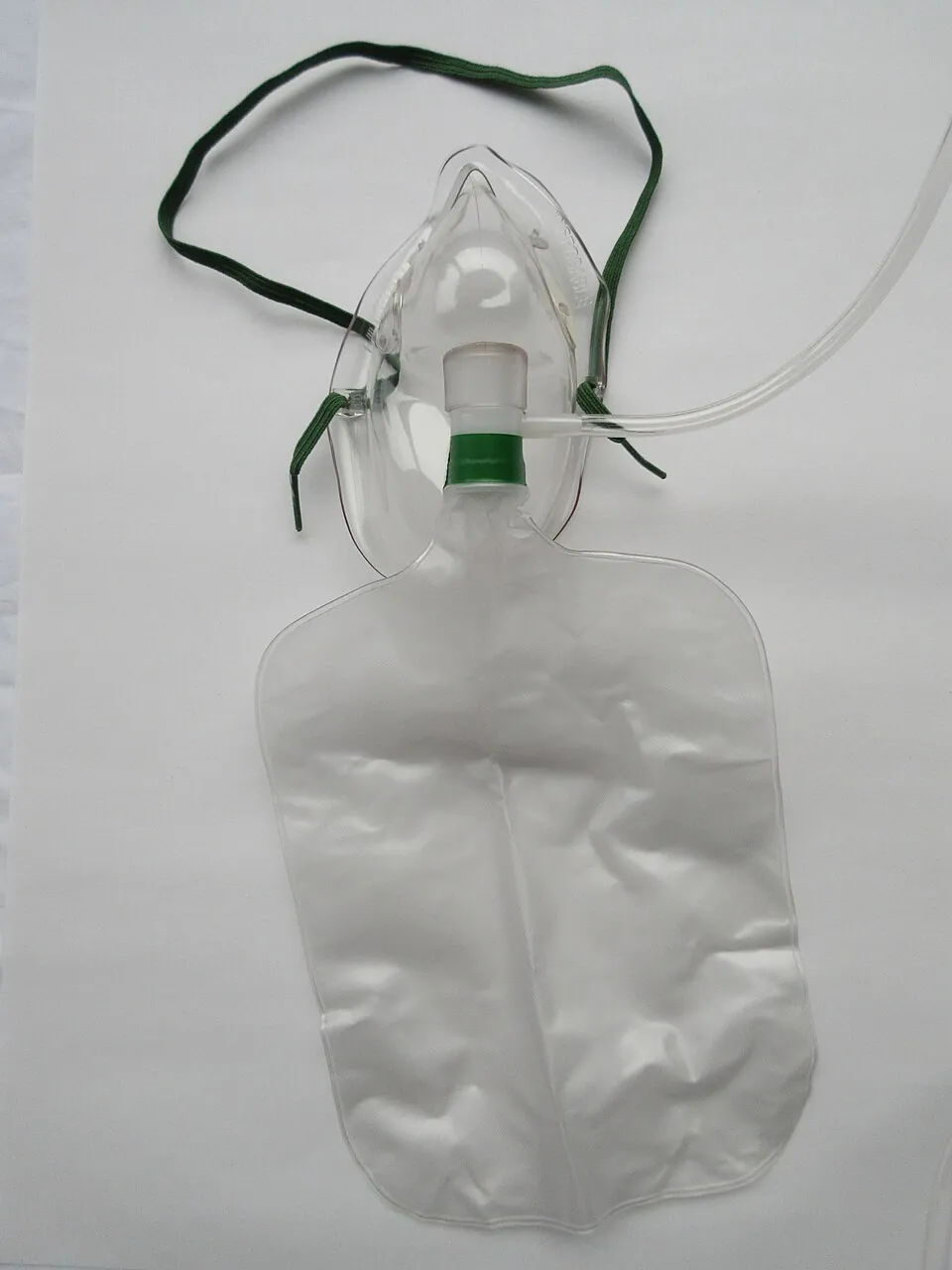
Trigeminal autonomic cephalalgias (TACs) are primary headaches with strictly unilateral pain in the distribution of the ophthalmic division of the trigeminal nerve and prominent ipsilateral cranial autonomic features. Cluster headache is the commonest, affecting about 1 in 1000 people, more often men and smokers. Attacks of excruciating orbital or temporal pain last 15–180 minutes, occur up to eight times a day, often at the same time each night, and are accompanied by tearing, red eye, rhinorrhoea, nasal blockage, ptosis and miosis; unlike migraine, patients are restless and pace. Bouts last weeks to months (episodic) or persist without remission (chronic). Attacks are treated with 100% oxygen at 12–15 L/min or subcutaneous sumatriptan; prednisolone or greater occipital nerve block bridge until verapamil prophylaxis takes effect. Other TACs differ in attack length and treatment: paroxysmal hemicrania and hemicrania continua respond absolutely to indometacin, and SUNCT/SUNA (seconds-long attacks) respond to lamotrigine. Every new TAC warrants MRI including the pituitary.
Patient case, mechanism, investigations, management, flashcards and exam-style questions.Open the lesson →
Key facts
- Cluster headache: strictly unilateral severe orbital, supraorbital or temporal pain lasting 15–180 minutes, from every other day to 8 times daily
- Ipsilateral autonomic features (lacrimation, conjunctival injection, rhinorrhoea, nasal congestion, eyelid oedema, forehead sweating, miosis, ptosis) and/or restlessness
- Circadian and circannual rhythm: attacks often 1–2 hours after falling asleep; bouts recur at similar times of year; alcohol triggers attacks during bouts
- Acute: 100% oxygen 12–15 L/min via non-rebreather mask for 15–20 minutes, or sumatriptan 6 mg subcutaneous (or nasal zolmitriptan/sumatriptan); oral triptans are too slow
- Prophylaxis: verapamil (≥240 mg/day, ECG monitoring for heart block); bridging with prednisolone or greater occipital nerve block; lithium, topiramate and galcanezumab (episodic) as alternatives
- Paroxysmal hemicrania (2–30 min, >5 attacks/day) and hemicrania continua respond absolutely to indometacin
- SUNCT/SUNA: attacks lasting 1–600 seconds, many per day, often triggered by touch; lamotrigine first line
- MRI brain with pituitary imaging is recommended in all new TAC presentations because pituitary and posterior fossa lesions can mimic them
Differential diagnosis
| Condition | Clues | Key test |
|---|---|---|
| Migraine | Longer attacks (4–72 h), nausea, photophobia, patient lies still | Clinical history |
| Trigeminal neuralgia | Electric-shock pain for seconds in V2/V3, triggered by touch, no autonomic features | Clinical; MRI for neurovascular compression |
| Pituitary tumour or apoplexy | TAC-like headache with visual field defect or endocrine change | MRI pituitary; pituitary hormones |
| Carotid artery dissection | Painful Horner syndrome with neck pain, persistent | CTA/MRA neck |
| Acute angle-closure glaucoma | Red painful eye, halos, fixed mid-dilated pupil, raised intraocular pressure | Tonometry; urgent ophthalmology |
| Sinusitis | Facial pain with purulent discharge and fever, constant | Clinical; CT sinuses |
| Tolosa–Hunt syndrome | Constant orbital pain with ophthalmoplegia | MRI cavernous sinus; steroid response |
Exam pearls
Guideline
EAN 2023 guidelines on the treatment of cluster headache; ICHD-3 (2018); NICE CG150 Headaches in over 12s (updated 2021)
References
- May A, Evers S, Goadsby PJ, et al.. European Academy of Neurology guidelines on the treatment of cluster headache. Eur J Neurol 2023.
- Headache Classification Committee of the International Headache Society. The International Classification of Headache Disorders, 3rd edition. Cephalalgia 2018.
- National Institute for Health and Care Excellence. Headaches in over 12s: diagnosis and management (CG150). NICE (last updated 2021) 2012.
- Robbins MS, Starling AJ, Pringsheim TM, Becker WJ, Schwedt TJ. Treatment of cluster headache: the American Headache Society evidence-based guidelines. Headache 2016.
- Goadsby PJ, Dodick DW, Leone M, et al.. Galcanezumab in episodic cluster headache. N Engl J Med 2019.
- Hoffmann J, May A. Cluster headache: pathophysiology, diagnosis and management. Lancet Neurol 2018.
Related topics
By Dr Khalid Seidi (B.Sc., M.D.) · MedEd World Clinical Knowledge library. Original teaching content checked against current guidelines (November 2026); confirm the latest local guidance before clinical use. Not a substitute for clinical judgement.