Clinical Knowledge › Neurology › Headache, facial pain and cranial nerve disorders
Idiopathic intracranial hypertension
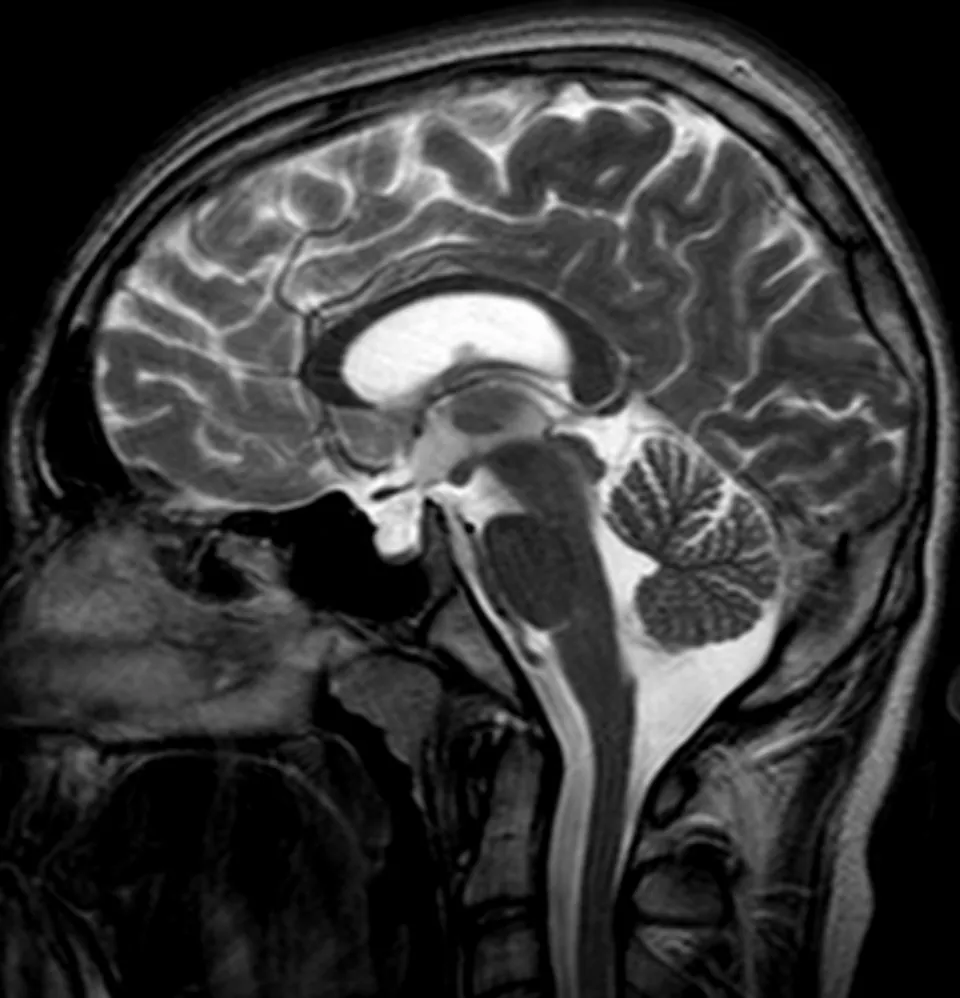
Idiopathic intracranial hypertension (IIH) is raised intracranial pressure without a mass lesion, hydrocephalus, venous sinus thrombosis or other identifiable cause, with normal CSF composition. It mainly affects women of reproductive age with obesity or recent weight gain, and is rising with obesity rates; tetracyclines and retinoids can cause a similar picture. Typical symptoms are daily headache, transient visual obscurations, pulsatile tinnitus and horizontal diplopia from sixth nerve palsy. Papilloedema is the key sign and threatens vision through optic nerve damage. Diagnosis requires MRI with venography to exclude secondary causes (imaging may show an empty sella, flattened globes and transverse sinus stenosis) and lumbar puncture showing an opening pressure of at least 25 cm CSF with normal constituents. Management protects vision and reduces headache: weight loss of 5–15% (including bariatric surgery or GLP-1 receptor agonists), acetazolamide or topiramate, and urgent CSF diversion, optic nerve sheath fenestration or venous sinus stenting for progressive visual loss.
Patient case, mechanism, investigations, management, flashcards and exam-style questions.Open the lesson →
Key facts
- Typical patient: woman of reproductive age with obesity (BMI over 30) or recent weight gain; incidence about 12–20 per 100 000 in this group
- Symptoms: daily headache (about 90%), transient visual obscurations, pulsatile tinnitus, horizontal diplopia (sixth nerve palsy), back and neck pain
- Papilloedema is the cardinal sign; visual field loss starts with an enlarged blind spot and inferonasal defects, central acuity is affected late
- Modified Dandy/Friedman criteria: papilloedema, normal neurological examination except cranial nerve VI palsy, normal MRI/MRV, normal CSF and opening pressure ≥25 cm CSF in adults
- MRI with venography is essential to exclude cerebral venous sinus thrombosis and masses before lumbar puncture
- Weight loss of 5–15% can put IIH into remission; bariatric surgery was superior to community weight management in the IIH:WT trial
- Acetazolamide improves visual outcomes in mild visual loss (IIHTT); topiramate is an alternative that also aids weight loss
- Fulminant IIH or progressive visual loss needs urgent ophthalmology and neurosurgery: CSF shunting, optic nerve sheath fenestration or venous sinus stenting
Differential diagnosis
| Condition | Clues | Key test |
|---|---|---|
| Cerebral venous sinus thrombosis | Headache, papilloedema, prothrombotic risk factors | MR or CT venography |
| Brain tumour or other mass lesion | Progressive headache, focal signs | MRI with contrast |
| Obstructive hydrocephalus | Raised ICP with enlarged ventricles | CT/MRI |
| Pseudopapilloedema (optic disc drusen) | Elevated disc without true oedema, normal vision | Optic nerve ultrasound/OCT showing drusen; autofluorescence |
| Meningitis (chronic, e.g. cryptococcal or TB) | Fever, raised pressure, abnormal CSF | CSF cell count, protein, glucose, cryptococcal antigen |
| Drug-induced intracranial hypertension | Tetracyclines, isotretinoin, vitamin A excess, lithium, growth hormone | Drug history; improvement after stopping |
| Malignant hypertension | Very high BP, bilateral disc swelling, retinal haemorrhages | BP measurement; renal function |
| Medication-overuse headache | Daily headache with analgesic overuse but no papilloedema | Normal fundi; medication diary |
Exam pearls
Guideline
Idiopathic intracranial hypertension: consensus guidelines on management (UK, 2018); Friedman revised diagnostic criteria (2013); IIH:WT and IIH:Pressure trial evidence
References
- Mollan SP, Davies B, Silver NC, et al.. Idiopathic intracranial hypertension: consensus guidelines on management. J Neurol Neurosurg Psychiatry 2018.
- Friedman DI, Liu GT, Digre KB. Revised diagnostic criteria for the pseudotumor cerebri syndrome in adults and children. Neurology 2013.
- Mollan SP, Mitchell JL, Ottridge RS, et al.. Effectiveness of bariatric surgery vs community weight management intervention for the treatment of idiopathic intracranial hypertension: a randomized clinical trial (IIH:WT). JAMA Neurol 2021.
- Mitchell JL, Lyons HS, Walker JK, et al.. The effect of GLP-1RA exenatide on idiopathic intracranial hypertension: a randomized clinical trial (IIH:Pressure). Brain 2023.
- NORDIC Idiopathic Intracranial Hypertension Study Group Writing Committee; Wall M, McDermott MP, Kieburtz KD, et al.. Effect of acetazolamide on visual function in patients with idiopathic intracranial hypertension and mild visual loss: the Idiopathic Intracranial Hypertension Treatment Trial. JAMA 2014.
- Markey KA, Mollan SP, Jensen RH, Sinclair AJ. Idiopathic intracranial hypertension. Lancet Neurol 2016.
Related topics
By Dr Khalid Seidi (B.Sc., M.D.) · MedEd World Clinical Knowledge library. Original teaching content checked against current guidelines (November 2026); confirm the latest local guidance before clinical use. Not a substitute for clinical judgement.