Clinical Knowledge › Paediatrics › Clinical problems
Diarrhoea in a child: approach to the patient
Diarrhoea, the passage of three or more loose or watery stools a day or a clear change from normal, remains a leading cause of death in children under 5 worldwide, mainly through dehydration and malnutrition. Most acute episodes are viral gastroenteritis (rotavirus, norovirus, adenovirus); bacteria such as Shigella, Campylobacter, Salmonella and Shiga toxin-producing E. coli cause bloody diarrhoea, and cholera causes massive watery losses. The approach is to classify duration (acute under 14 days, persistent 14 days or more, chronic over 4 weeks), assess dehydration, look for blood, and consider the child's age, nutrition and growth. Low-osmolarity oral rehydration solution is the cornerstone; zinc is added in low- and middle-income settings; IV fluids are for shock or failed oral rehydration. Antimotility drugs are avoided; antibiotics have specific indications. Chronic diarrhoea in a thriving toddler is usually functional ('toddler's diarrhoea'), but faltering growth points to coeliac disease, cow's milk allergy, cystic fibrosis, inflammatory bowel disease or giardiasis.
Patient case, mechanism, investigations, management, flashcards and exam-style questions.Open the lesson →
Key facts
- Definitions: acute diarrhoea under 14 days (usually 5–7), persistent 14 days or more (WHO), chronic more than 4 weeks
- Rotavirus was the leading cause of severe childhood diarrhoea worldwide; where vaccine is used, norovirus predominates; GEMS identified rotavirus, Cryptosporidium, Shigella and ST-ETEC as major causes in low-income settings
- Low-osmolarity ORS (sodium 75 mmol/L, glucose 75 mmol/L, osmolarity 245 mOsm/L) uses sodium–glucose cotransport (SGLT1), which is preserved in infective diarrhoea
- WHO plans: A (no dehydration) home ORS after each stool; B (some dehydration) 75 mL/kg ORS over 4 hours; C (severe) IV Ringer's lactate 100 mL/kg in phases
- Zinc 10 mg/day under 6 months and 20 mg/day from 6 months for 10–14 days shortens and prevents diarrhoea episodes in LMIC settings (WHO; teaching dose)
- Bloody diarrhoea: think Shigella, Campylobacter, Salmonella, STEC (risk of haemolytic uraemic syndrome), intussusception, IBD and cow's milk allergy in infants
- Do not give antibiotics or antimotility drugs for suspected STEC; they may increase HUS risk; loperamide is not used for acute diarrhoea in young children
- Chronic diarrhoea with faltering growth: tests include tTG-IgA with total IgA (coeliac), faecal calprotectin (IBD), sweat test (CF), stool microscopy or antigen (Giardia)
Differential diagnosis
| Condition | Clues | Key test |
|---|---|---|
| Viral gastroenteritis | Vomiting then watery diarrhoea, fever, sick contacts, lasts 5–7 days | Clinical; stool virology only for outbreaks |
| Bacterial dysentery (Shigella, Campylobacter, Salmonella) | Bloody mucoid stools, high fever, tenesmus, abdominal pain | Stool culture and multiplex PCR |
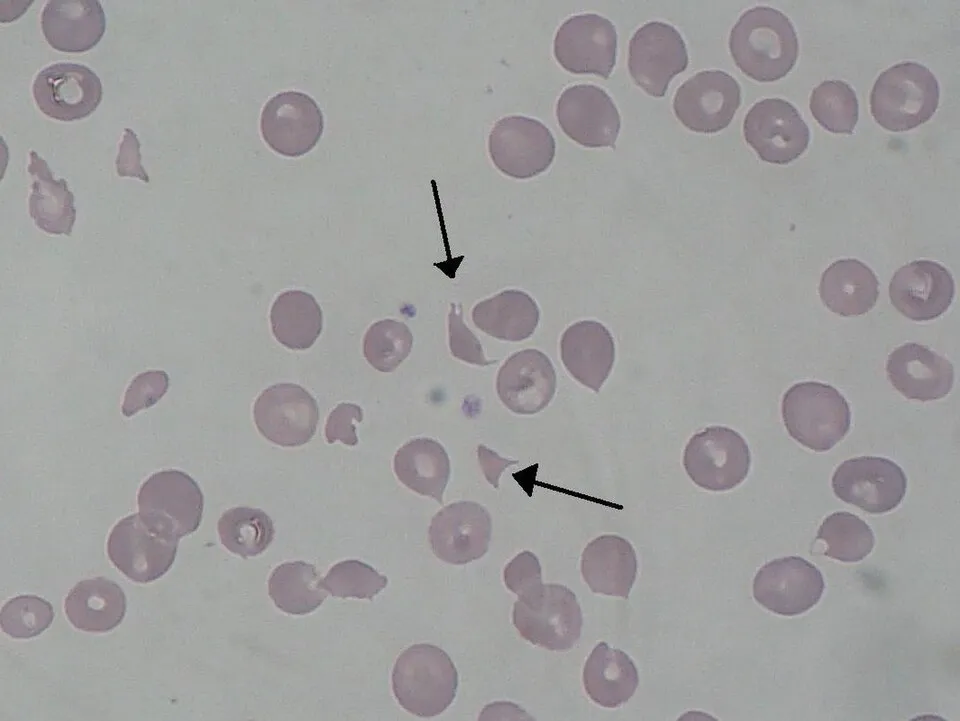
| STEC infection and HUS | Bloody diarrhoea then pallor, oliguria, petechiae at 5–10 days | Stool STEC PCR; FBC with film, U&E, LDH |
| Cow's milk protein allergy | Infant with diarrhoea, blood or mucus, eczema, vomiting | Elimination and reintroduction |
| Coeliac disease | Chronic diarrhoea, distension, faltering growth after gluten introduction | tTG-IgA with total IgA; EMA |
| Functional diarrhoea (toddler's diarrhoea) | Painless loose stools with undigested food, 6–60 months, thriving | Clinical; normal growth |
| Inflammatory bowel disease | Bloody diarrhoea, weight loss, growth or pubertal delay, perianal disease | Faecal calprotectin, bloods, endoscopy |
| Overflow from constipation | Soiling with loose stool, hard mass on abdominal palpation | Clinical history and examination |
Exam pearls
Guideline
NICE CG84 diarrhoea and vomiting in under 5s (2009; 2018 surveillance), ESPGHAN/ESPID acute gastroenteritis guideline (2014) with ESPGHAN probiotics update (2020), WHO diarrhoea treatment manual (ORS and zinc), ESPGHAN coeliac disease guideline (2020) and Rome IV paediatric criteria (2016; Rome V 2026)
References
- National Institute for Health and Care Excellence. Diarrhoea and vomiting caused by gastroenteritis in under 5s: diagnosis and management (CG84). NICE clinical guideline 2009.
- Guarino A, Ashkenazi S, Gendrel D, et al.. European Society for Pediatric Gastroenterology, Hepatology, and Nutrition/European Society for Pediatric Infectious Diseases evidence-based guidelines for the management of acute gastroenteritis in children in Europe: update 2014. J Pediatr Gastroenterol Nutr 2014.
- World Health Organization. The treatment of diarrhoea: a manual for physicians and other senior health workers. WHO 2005.
- Kotloff KL, Nataro JP, Blackwelder WC, et al.. Burden and aetiology of diarrhoeal disease in infants and young children in developing countries (the Global Enteric Multicenter Study, GEMS): a prospective, case-control study. Lancet 2013.
- Schnadower D, Tarr PI, Casper TC, et al.. Lactobacillus rhamnosus GG versus placebo for acute gastroenteritis in children. N Engl J Med 2018.
- Freedman SB, Williamson-Urquhart S, Farion KJ, et al.. Multicenter trial of a combination probiotic for children with gastroenteritis. N Engl J Med 2018.
Related topics
By Dr Khalid Seidi (B.Sc., M.D.) · MedEd World Clinical Knowledge library. Original teaching content checked against current guidelines (November 2026); confirm the latest local guidance before clinical use. Not a substitute for clinical judgement.