Clinical Knowledge › Paediatrics › Clinical problems
Short stature: approach to the patient
Short stature is height more than 2 SD below the mean for age and sex; in the UK, height below the 0.4th centile warrants referral. Most short children are healthy: familial short stature (short parents, normal growth velocity, bone age equal to chronological age) and constitutional delay of growth and puberty (late puberty, delayed bone age, often a parent who was a 'late bloomer') are most common. The key discriminator is growth velocity: a child growing at a normal rate parallel to a centile rarely has disease, whereas a child crossing centiles downward needs investigation. Pathological causes include chronic disease (coeliac disease, IBD, CKD), endocrine disorders (hypothyroidism, GH deficiency, Cushing syndrome or steroids), syndromes (Turner, Noonan, Silver–Russell, SHOX deficiency), skeletal dysplasias, SGA without catch-up, and psychosocial deprivation. Assessment uses accurate serial measurement, mid-parental height, body proportions, pubertal staging and bone age, with targeted tests and a karyotype in every short girl. Growth hormone is licensed only for specific indications.
Patient case, mechanism, investigations, management, flashcards and exam-style questions.Open the lesson →
Key facts
- Definition: height below −2 SD (about 2nd centile); UK practice refers children below the 0.4th centile, or crossing down centiles, or well below the mid-parental target range
- Mid-parental height: boys (father + mother + 13 cm)/2; girls (father + mother − 13 cm)/2; target range about ±8.5 cm (UK) or ±10 cm
- Normal height velocity: about 25 cm in year 1, 10–12 cm in year 2, then about 5–6 cm/year until puberty; below the 25th velocity centile over 6–12 months is abnormal
- Familial short stature: normal velocity, bone age = chronological age, short parents; constitutional delay: normal velocity, delayed bone age and puberty, normal adult height
- Short and overweight suggests endocrine disease (hypothyroidism, GH deficiency, Cushing); short and thin suggests chronic disease or undernutrition
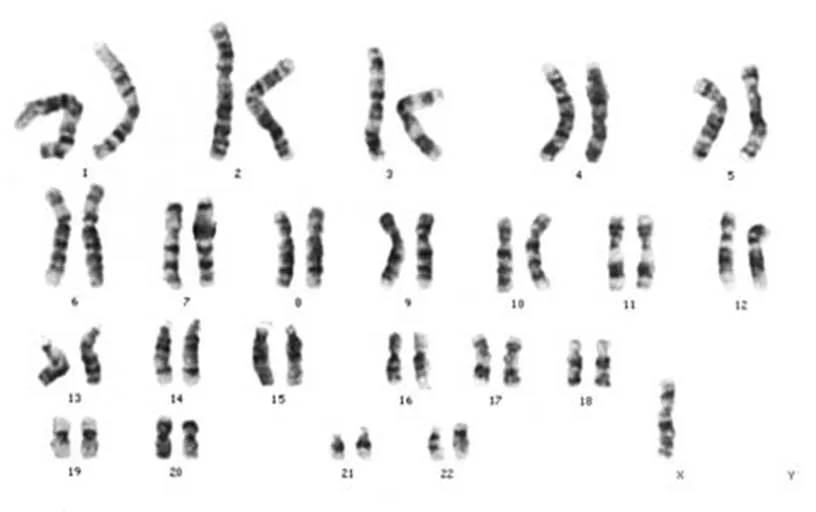
- Every short girl without an obvious cause needs a karyotype to exclude Turner syndrome (45,X and mosaics); Turner girls may have no other obvious features
- GH deficiency: low IGF-1 (age and puberty-specific) with subnormal peak GH on two stimulation tests (sex-steroid priming near puberty) and pituitary MRI
- Somatropin is licensed (NICE TA188) for GH deficiency, Turner syndrome, Prader–Willi syndrome, chronic kidney disease, SGA without catch-up and SHOX deficiency; vosoritide treats achondroplasia
Differential diagnosis
| Condition | Clues | Key test |
|---|---|---|
| Familial short stature | Short parents, height within target range, normal velocity | Bone age = chronological age |
| Constitutional delay of growth and puberty | Late puberty, family history of late development, normal velocity | Bone age delayed; normal adult height prediction |
| Turner syndrome | Short girl, webbed neck, wide carrying angle, absent puberty, coarctation | Karyotype (45,X or mosaic) |
| Growth hormone deficiency | Slow velocity, increased weight-for-height, immature facies, hypoglycaemia or micropenis in infancy | IGF-1, GH stimulation tests, pituitary MRI |
| Hypothyroidism | Slow growth, weight gain, constipation, fatigue, delayed bone age | TSH and free T4 |
| Coeliac disease | Short and thin, gut symptoms may be absent, anaemia | tTG-IgA with total IgA |
| Achondroplasia | Disproportionate (rhizomelic) short limbs, macrocephaly, trident hands | Skeletal survey; FGFR3 testing |
| Small for gestational age without catch-up | Birth weight or length below −2 SD, no catch-up by 2–4 years | Birth data; consider genetic testing (Silver–Russell) |
Exam pearls
Guideline
Growth Hormone Research Society international perspective on short stature (2019), Pediatric Endocrine Society GH and IGF-1 treatment guideline (2016), International guideline on genetic testing of children with short stature (2026), Turner syndrome international guideline (2024), SGA international consensus (2023) and NICE TA188 somatropin (2010)
References
- Rogol AD, Hayden GF.. Etiologies and early diagnosis of short stature and growth failure in children and adolescents. J Pediatr 2014.
- Collett-Solberg PF, Ambler G, Backeljauw PF, et al.. Diagnosis, genetics, and therapy of short stature in children: a Growth Hormone Research Society international perspective. Horm Res Paediatr 2019.
- Grimberg A, DiVall SA, Polychronakos C, et al.. Guidelines for growth hormone and insulin-like growth factor-I treatment in children and adolescents: growth hormone deficiency, idiopathic short stature, and primary insulin-like growth factor-I deficiency. Horm Res Paediatr 2016.
- Dauber A, Jorge AAL, Nilsson O, et al.. International guideline on genetic testing of children with short stature. Eur J Endocrinol 2026.
- Gravholt CH, Andersen NH, Christin-Maitre S, et al.. Clinical practice guidelines for the care of girls and women with Turner syndrome. Eur J Endocrinol 2024.
- Hokken-Koelega ACS, van der Steen M, Boguszewski MCS, et al.. International consensus guideline on small for gestational age: etiology and management from infancy to early adulthood. Endocr Rev 2023.
Related topics
By Dr Khalid Seidi (B.Sc., M.D.) · MedEd World Clinical Knowledge library. Original teaching content checked against current guidelines (November 2026); confirm the latest local guidance before clinical use. Not a substitute for clinical judgement.