Clinical Knowledge › Internal medicine › Endocrinology › Relevant pharmacology
Dopamine agonists and somatostatin analogues
Dopamine agonists and somatostatin analogues (SSAs) are the two main drug classes that switch off hormone hypersecretion from pituitary and neuroendocrine tumours. Dopamine agonists (cabergoline, bromocriptine, quinagolide) stimulate D2 receptors on lactotrophs, normalising prolactin and shrinking most prolactinomas, even macroadenomas with visual loss. Cabergoline is preferred for efficacy and twice-weekly dosing; bromocriptine has the most pregnancy data. Key risks are nausea and postural hypotension, impulse control disorders and, at high cumulative doses, cardiac valve fibrosis. SSAs (octreotide, lanreotide, pasireotide; oral octreotide and paltusotine) act through Gi-coupled somatostatin receptors (mainly SST2) to inhibit GH, TSH and gut hormone release and slow neuroendocrine tumour growth. They are used in acromegaly, TSH-secreting adenomas, carcinoid syndrome and functioning pancreatic NETs. Their main harms are gallstones, steatorrhoea, glucose disturbance (marked hyperglycaemia with pasireotide) and bradycardia.
Patient case, mechanism, investigations, management, flashcards and exam-style questions.Open the lesson →
Key facts
- Cabergoline: selective D2 agonist with a half-life of about 65 hours; teaching dose 0.25–0.5 mg once or twice weekly, titrated to prolactin
- Dopamine agonists normalise prolactin and shrink tumour in about 80–90% of microprolactinomas and most macroprolactinomas
- Ask about impulse control disorders (gambling, hypersexuality, compulsive shopping) at every visit
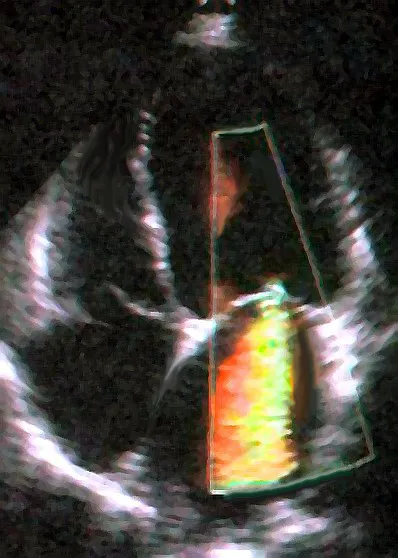
- Valve fibrosis is linked to 5-HT2B agonism by ergot agonists at high cumulative doses; echocardiography is advised with long-term or high-dose cabergoline
- Octreotide and lanreotide bind mainly SST2 (and SST5); pasireotide binds SST5 most strongly and is used in Cushing disease
- SSAs normalise IGF-1 in roughly a third of unselected patients with acromegaly and shrink tumours in many
- SSAs cause biliary sludge and gallstones, steatorrhoea, bradycardia and glucose changes; pasireotide causes hyperglycaemia in most patients
- Lanreotide (CLARINET) and octreotide LAR (PROMID) prolong progression-free survival in gastroenteropancreatic NETs
Differential diagnosis
| Condition | Clues | Key test |
|---|---|---|
| Dopamine agonist resistance | Prolactin stays high and tumour does not shrink on adequate cabergoline dose | Prolactin, MRI; check adherence and macroprolactin |
| Stalk effect hyperprolactinaemia | Non-functioning macroadenoma with prolactin usually below about 2000–4000 mU/L | MRI; prolactin falls with DA but tumour does not shrink |
| Drug-induced hyperprolactinaemia | Antipsychotics, metoclopramide, domperidone | Drug history; avoid DA in psychosis without specialist advice |
| SSA-associated gallstones | Biliary colic during long-term SSA | Abdominal ultrasound |
| Pasireotide-induced hyperglycaemia | Rising glucose in first weeks | Glucose monitoring, HbA1c |
| CSF rhinorrhoea after tumour shrinkage | Clear salty nasal discharge after starting DA for invasive macroprolactinoma | Beta-2 transferrin in fluid; CT/MRI skull base |
Exam pearls
Guideline
Pituitary Society international consensus on prolactinomas (2023), Pituitary Society acromegaly management update (2021) with the Acromegaly Consensus Group criteria (2024), and ENETS 2023 guidance on functioning pancreatic NETs
References
- Petersenn S, Fleseriu M, Casanueva FF, et al.. Diagnosis and management of prolactin-secreting pituitary adenomas: a Pituitary Society international Consensus Statement. Nat Rev Endocrinol 2023.
- Fleseriu M, Biller BMK, Freda PU, et al.. A Pituitary Society update to acromegaly management guidelines. Pituitary 2021.
- Giustina A, Biermasz N, Casanueva FF, et al.. Consensus on criteria for acromegaly diagnosis and remission. Pituitary 2024.
- Schade R, Andersohn F, Suissa S, Haverkamp W, Garbe E. Dopamine agonists and the risk of cardiac-valve regurgitation. N Engl J Med 2007.
- Zanettini R, Antonini A, Gatto G, et al.. Valvular heart disease and the use of dopamine agonists for Parkinson's disease. N Engl J Med 2007.
- Katznelson L, Laws ER Jr, Melmed S, et al.. Acromegaly: an Endocrine Society clinical practice guideline. J Clin Endocrinol Metab 2014.
Related topics
By Dr Khalid Seidi (B.Sc., M.D.) · MedEd World Clinical Knowledge library. Original teaching content checked against current guidelines (November 2026); confirm the latest local guidance before clinical use. Not a substitute for clinical judgement.