Clinical Knowledge › Paediatrics › Paediatric neurology
Headache in children
Headache is one of the commonest reasons children see a doctor: over half report headaches and about 8–10% have migraine. Most acute headaches accompany viral illness; most recurrent headaches are primary, mainly migraine and tension-type headache. Paediatric migraine attacks are often shorter (from 2 hours), bilateral and frontal, with nausea and a wish to lie in the dark. The key task is to find the few with a serious secondary cause – brain tumour, idiopathic intracranial hypertension, meningitis, haemorrhage, hypertension or carbon monoxide – using red flags such as morning vomiting, waking from sleep, progression, abnormal neurology, papilloedema, growth failure and age under 4. Examination must include blood pressure, fundoscopy, growth and neurology. Imaging is not needed when the history is typical and the examination normal. Primary headache is managed with explanation, a diary, lifestyle measures, early ibuprofen, triptans for adolescents, limits on analgesic use and psychological support.
Patient case, mechanism, investigations, management, flashcards and exam-style questions.Open the lesson →
Key facts
- Over half of children have headaches; migraine affects about 8–10% (equal sexes before puberty, girls more after)
- Paediatric migraine: attacks 2–72 hours, often bilateral, with nausea, photophobia or phonophobia (may be inferred from behaviour)
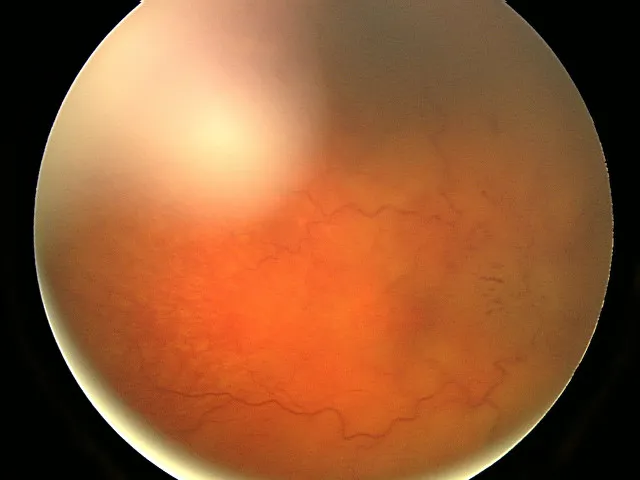
- Red flags: morning or nocturnal headache with vomiting, progressive pattern, abnormal neurology, papilloedema, personality change, growth or pubertal failure, age under 4
- Every child with headache needs blood pressure, fundoscopy, visual acuity, neurological and growth assessment
- No imaging for typical primary headache with normal examination; urgent MRI if red flags
- Acute migraine: ibuprofen 10 mg/kg (best evidence) or paracetamol 15 mg/kg early; nasal triptans from 12 years
- Medication-overuse headache: analgesics on 15 or more days a month (triptans 10 or more) for over 3 months
- Prevention: lifestyle and CBT first; in the CHAMP trial amitriptyline and topiramate were no better than placebo
Differential diagnosis
| Condition | Clues | Key test |
|---|---|---|
| Migraine without aura | Recurrent attacks with nausea, light sensitivity, relief by sleep; normal examination | Clinical diagnosis; headache diary |
| Tension-type headache | Bilateral pressing, mild to moderate, no nausea, not worse with activity | Clinical diagnosis |
| Brain tumour | Progressive, morning vomiting, ataxia, squint, head tilt, papilloedema, behaviour change | Urgent MRI brain |
| Idiopathic intracranial hypertension | Adolescent girl with obesity or on tetracyclines, papilloedema, sixth nerve palsy | MRI and MR venogram, then lumbar puncture opening pressure |
| Meningitis or encephalitis | Fever, neck stiffness, photophobia, altered consciousness, rash | Blood culture, lumbar puncture if safe |
| Medication-overuse headache | Daily headache with analgesic use on most days | History and analgesic diary |
| Hypertension | Headache with high BP, often renal cause | Repeat BP, urinalysis, renal function |
| Carbon monoxide poisoning | Several household members with headache in winter, improves away from home | Carboxyhaemoglobin |
Exam pearls
Guideline
AAN/AHS practice guideline update on acute treatment of migraine in children and adolescents (2019); NICE CG150 Headaches in over 12s (2012, updated); ICHD-3 (2018); NICE NG12 suspected cancer: recognition and referral (2015, with later updates)
References
- Oskoui M, Pringsheim T, Holler-Managan Y, et al.. Practice guideline update summary: acute treatment of migraine in children and adolescents. Report of the Guideline Development, Dissemination, and Implementation Subcommittee of the American Academy of Neurology and the American Headache Society. Neurology 2019.
- Powers SW, Coffey CS, Chamberlin LA, et al.. Trial of amitriptyline, topiramate, and placebo for pediatric migraine. N Engl J Med 2017.
- Headache Classification Committee of the International Headache Society. The International Classification of Headache Disorders, 3rd edition (ICHD-3). Cephalalgia 2018.
- National Institute for Health and Care Excellence. Headaches in over 12s: diagnosis and management (CG150). NICE clinical guideline 2012.
- National Institute for Health and Care Excellence. Suspected cancer: recognition and referral (NG12). NICE guideline 2015.
- Paediatric Formulary Committee. BNF for Children. BMJ Group, Pharmaceutical Press and RCPCH Publications 2025.
Related topics
By Dr Khalid Seidi (B.Sc., M.D.) · MedEd World Clinical Knowledge library. Original teaching content checked against current guidelines (November 2026); confirm the latest local guidance before clinical use. Not a substitute for clinical judgement.