Clinical Knowledge › Paediatrics › Paediatric neurology
Neurofibromatosis
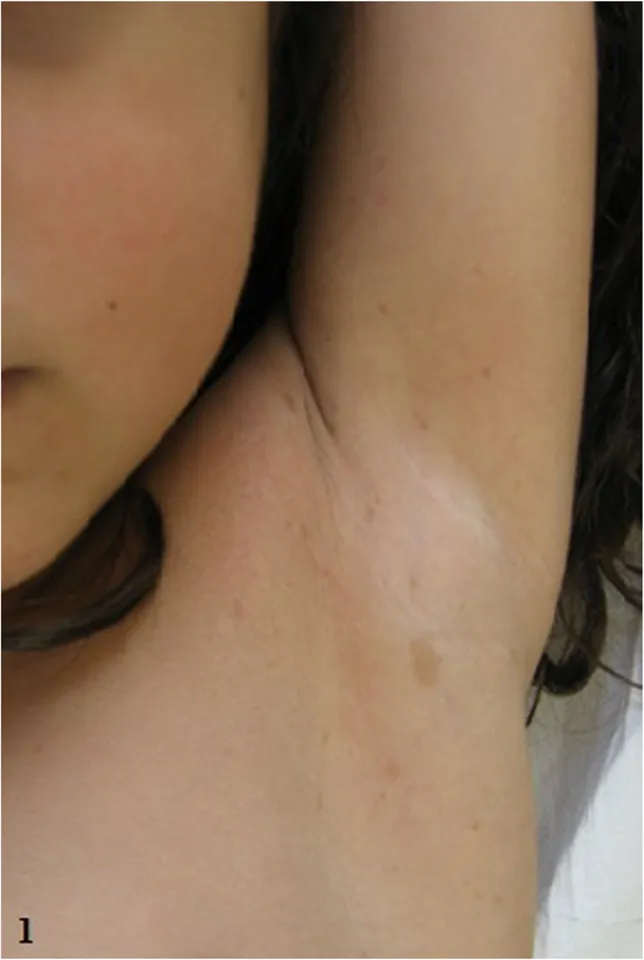
Neurofibromatosis is a group of autosomal dominant tumour-predisposition disorders. Neurofibromatosis type 1 (NF1) is by far the commonest, affecting about 1 in 2,500–3,000 people; half of cases are new (de novo) variants in the NF1 gene on chromosome 17, which encodes neurofibromin, a brake on RAS signalling. Children present with café-au-lait macules in infancy, then skinfold freckling, Lisch nodules, neurofibromas and learning or attention difficulties. Diagnosis uses the 2021 revised international criteria, which added genetic testing and choroidal abnormalities. Key childhood risks are optic pathway glioma (peak under 6 years), plexiform neurofibromas, tibial pseudarthrosis, scoliosis, hypertension and, later, malignant peripheral nerve sheath tumour. Care is lifelong annual surveillance rather than cure; MEK inhibitors (selumetinib, mirdametinib) now shrink inoperable plexiform tumours. NF2-related schwannomatosis (chromosome 22, merlin) is rarer and causes bilateral vestibular schwannomas, meningiomas and juvenile cataract.
Patient case, mechanism, investigations, management, flashcards and exam-style questions.Open the lesson →
Key facts
- NF1: autosomal dominant, chromosome 17q11.2, neurofibromin (RAS GTPase-activating protein); about 50% de novo; full penetrance, very variable expressivity
- Café-au-lait macules (6 or more over 5 mm before puberty, over 15 mm after) appear in the first 1–2 years
- 2021 criteria: 2 or more features (CALMs, freckling, neurofibromas, optic glioma, Lisch nodules or choroidal abnormalities, osseous lesion, NF1 variant); 1 is enough with an affected parent
- Optic pathway glioma in about 15–20%, mostly under 6 years; screen by annual eye examination, not routine MRI
- Learning difficulty, ADHD or autism traits affect around half of children with NF1
- Malignant peripheral nerve sheath tumour lifetime risk about 8–15%; new pain or rapid growth of a plexiform neurofibroma is a red flag
- Annual review: blood pressure, growth, puberty, spine, skin, development and vision
- NF2-related schwannomatosis: chromosome 22q12, merlin; bilateral vestibular schwannomas, meningiomas, juvenile posterior subcapsular cataract
Differential diagnosis
| Condition | Clues | Key test |
|---|---|---|
| Legius syndrome (SPRED1) | CALMs and freckling only; no neurofibromas, Lisch nodules or optic glioma | SPRED1 and NF1 gene testing |
| Constitutional mismatch repair deficiency | CALMs with early childhood brain, blood or bowel cancers; consanguinity | Mismatch repair gene testing, tumour immunohistochemistry |
| McCune–Albright syndrome | Few large CALMs with jagged 'coast of Maine' border, precocious puberty, fibrous dysplasia | GNAS testing, bone imaging, endocrine tests |
| Isolated café-au-lait macules | Fewer than 6 CALMs, no other features, normal growth and development | Clinical follow-up; genetic test if criteria evolve |
| Tuberous sclerosis complex | Hypomelanotic (ash-leaf) macules, seizures, angiofibromas | Wood's lamp examination, MRI brain, TSC1/TSC2 testing |
| NF2-related schwannomatosis | Deafness, tinnitus, cataract, few CALMs, bilateral vestibular schwannomas | MRI internal auditory meati with gadolinium; NF2 testing |
Exam pearls
Guideline
Revised international diagnostic criteria for NF1 and Legius syndrome (2021) and for NF2-related schwannomatosis (2022), ERN GENTURIS NF1 tumour surveillance guideline (2023) and AAP health supervision for NF1 (2019)
References
- Legius E, Messiaen L, Wolkenstein P, et al.. Revised diagnostic criteria for neurofibromatosis type 1 and Legius syndrome: an international consensus recommendation. Genet Med 2021.
- Plotkin SR, Messiaen L, Legius E, et al.. Updated diagnostic criteria and nomenclature for neurofibromatosis type 2 and schwannomatosis: an international consensus recommendation. Genet Med 2022.
- Carton C, Evans DG, Blanco I, et al.. ERN GENTURIS tumour surveillance guidelines for individuals with neurofibromatosis type 1. EClinicalMedicine 2023.
- Gross AM, Wolters PL, Dombi E, et al.. Selumetinib in children with inoperable plexiform neurofibromas. N Engl J Med 2020.
- Moertel CL, Hirbe AC, Shuhaiber HH, et al.. ReNeu: a pivotal, phase IIb trial of mirdametinib in adults and children with symptomatic neurofibromatosis type 1-associated plexiform neurofibroma. J Clin Oncol 2025.
- Miller DT, Freedenberg D, Schorry E, et al.. Health supervision for children with neurofibromatosis type 1. Pediatrics 2019.
Related topics
By Dr Khalid Seidi (B.Sc., M.D.) · MedEd World Clinical Knowledge library. Original teaching content checked against current guidelines (November 2026); confirm the latest local guidance before clinical use. Not a substitute for clinical judgement.