Clinical Knowledge › Internal medicine › Haematology and oncology › Principles of oncology
Paraneoplastic syndromes
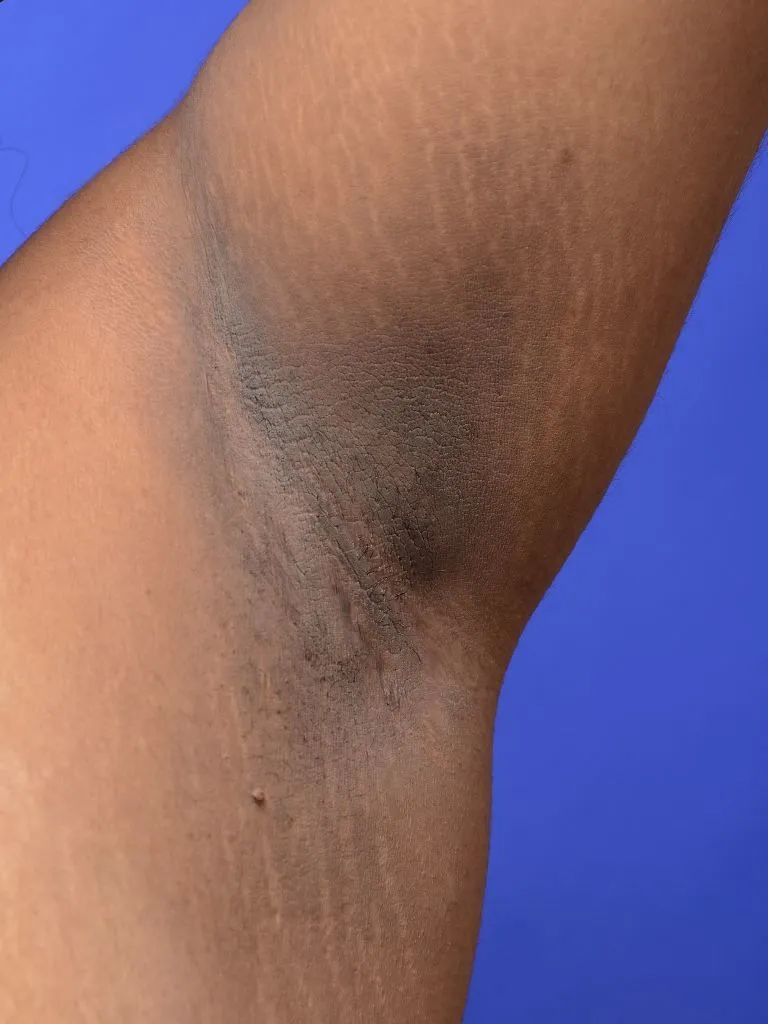
Paraneoplastic syndromes are clinical disorders caused by a cancer but not by direct invasion, compression or metastasis. They arise from hormones or cytokines secreted by tumour cells (PTHrP, ADH, ACTH, IGF-2, erythropoietin) or from immune responses against tumour antigens that cross-react with normal tissue, especially the nervous system and skin. They affect perhaps 8% of people with cancer, most often small cell lung cancer, thymoma, ovarian and breast cancers, lymphomas and renal cell carcinoma. Importantly, they often appear before the cancer is known, so recognising them allows earlier diagnosis. Endocrine syndromes (hypercalcaemia, SIADH, ectopic ACTH, hypoglycaemia), neurological syndromes (Lambert–Eaton, cerebellar degeneration, limbic encephalitis, sensory neuronopathy), dermatological signs (dermatomyositis, acanthosis nigricans, Sweet syndrome) and haematological changes (Trousseau syndrome, erythrocytosis) are all described. Management is to find and treat the tumour, correct the metabolic or hormonal problem, and use immunotherapy for antibody-mediated syndromes.
Patient case, mechanism, investigations, management, flashcards and exam-style questions.Open the lesson →
Key facts
- Paraneoplastic means remote effects of cancer not explained by local tumour, metastasis, infection, treatment or nutrition; often the first sign of malignancy
- Humoral hypercalcaemia of malignancy (PTHrP) is the commonest paraneoplastic endocrine syndrome: squamous cell lung, head and neck, renal, breast and bladder cancer; lymphomas may produce calcitriol
- Small cell lung cancer causes SIADH, ectopic ACTH Cushing syndrome, Lambert–Eaton myasthenic syndrome and anti-Hu (ANNA-1) encephalomyelitis and sensory neuronopathy
- Updated 2021 criteria (Graus) classify neurological phenotypes and antibodies as high-risk (more than 70% cancer association, for example anti-Hu, anti-Yo, anti-Ri, anti-CV2, anti-Ma2) or intermediate-risk (30–70%), scored with the PNS-Care score
- Lambert–Eaton: antibodies against presynaptic P/Q-type voltage-gated calcium channels; proximal weakness, reduced reflexes that improve after brief exercise, dry mouth; about half have SCLC
- Dermatomyositis in adults carries an increased cancer risk (ovary, lung, GI, breast, nasopharynx); anti-TIF1γ and anti-NXP2 antibodies mark high risk
- Non-islet cell tumour hypoglycaemia is caused by big IGF-2 from large mesenchymal tumours (solitary fibrous tumour, mesothelioma) or HCC; insulin and C-peptide are suppressed
- Treatment of the underlying tumour is the most effective therapy; neurological syndromes may improve less because neuronal loss is irreversible, so early immunotherapy matters
Differential diagnosis
| Condition | Clues | Key test |
|---|---|---|
| Metastatic disease | Symptoms from direct tumour spread (brain, bone, liver metastases) | Contrast CT/MRI, bone imaging |
| Treatment toxicity | Neuropathy after platinum or taxanes, hyponatraemia from cyclophosphamide or vincristine | Drug history and timing |
| Immune checkpoint inhibitor adverse events | Myositis, myasthenia, encephalitis or hypophysitis during immunotherapy | Timing, CK, troponin, pituitary function |
| Primary endocrine disease | Primary hyperparathyroidism (PTH high), pituitary Cushing disease, insulinoma | PTH, ACTH dynamics, insulin/C-peptide |
| Autoimmune neurological disease without cancer | Myasthenia gravis, multiple sclerosis, non-paraneoplastic autoimmune encephalitis | Antibody profile, MRI, repeated tumour screening |
| Infection or nutritional deficiency | Wernicke encephalopathy, B12 deficiency, HIV, syphilis | Thiamine, B12, serology |
| Cancer-associated cachexia only | Weight loss and fatigue without a specific syndrome | Clinical; CRP, albumin |
Exam pearls
Guideline
Updated diagnostic criteria for paraneoplastic neurologic syndromes (Graus et al., 2021), Endocrine Society hypercalcaemia of malignancy guideline (2023), European hyponatraemia guideline (2014), EFNS tumour screening in paraneoplastic syndromes (2011) and IMACS myositis cancer-screening guideline (2023)
References
- Graus F, Vogrig A, Muñiz-Castrillo S, et al.. Updated diagnostic criteria for paraneoplastic neurologic syndromes. Neurol Neuroimmunol Neuroinflamm 2021.
- El-Hajj Fuleihan G, Clines GA, Hu MI, et al.. Treatment of hypercalcemia of malignancy in adults: an Endocrine Society clinical practice guideline. J Clin Endocrinol Metab 2023.
- Spasovski G, Vanholder R, Allolio B, et al.. Clinical practice guideline on diagnosis and treatment of hyponatraemia. Eur J Endocrinol 2014.
- Pelosof LC, Gerber DE.. Paraneoplastic syndromes: an approach to diagnosis and treatment. Mayo Clin Proc 2010.
- Dalmau J, Rosenfeld MR.. Paraneoplastic syndromes of the CNS. Lancet Neurol 2008.
- Titulaer MJ, Soffietti R, Dalmau J, et al.. Screening for tumours in paraneoplastic syndromes: report of an EFNS task force. Eur J Neurol 2011.
Related topics
By Dr Khalid Seidi (B.Sc., M.D.) · MedEd World Clinical Knowledge library. Original teaching content checked against current guidelines (November 2026); confirm the latest local guidance before clinical use. Not a substitute for clinical judgement.