Clinical Knowledge › Internal medicine › Haematology and oncology › Principles of oncology
Principles of chemotherapy
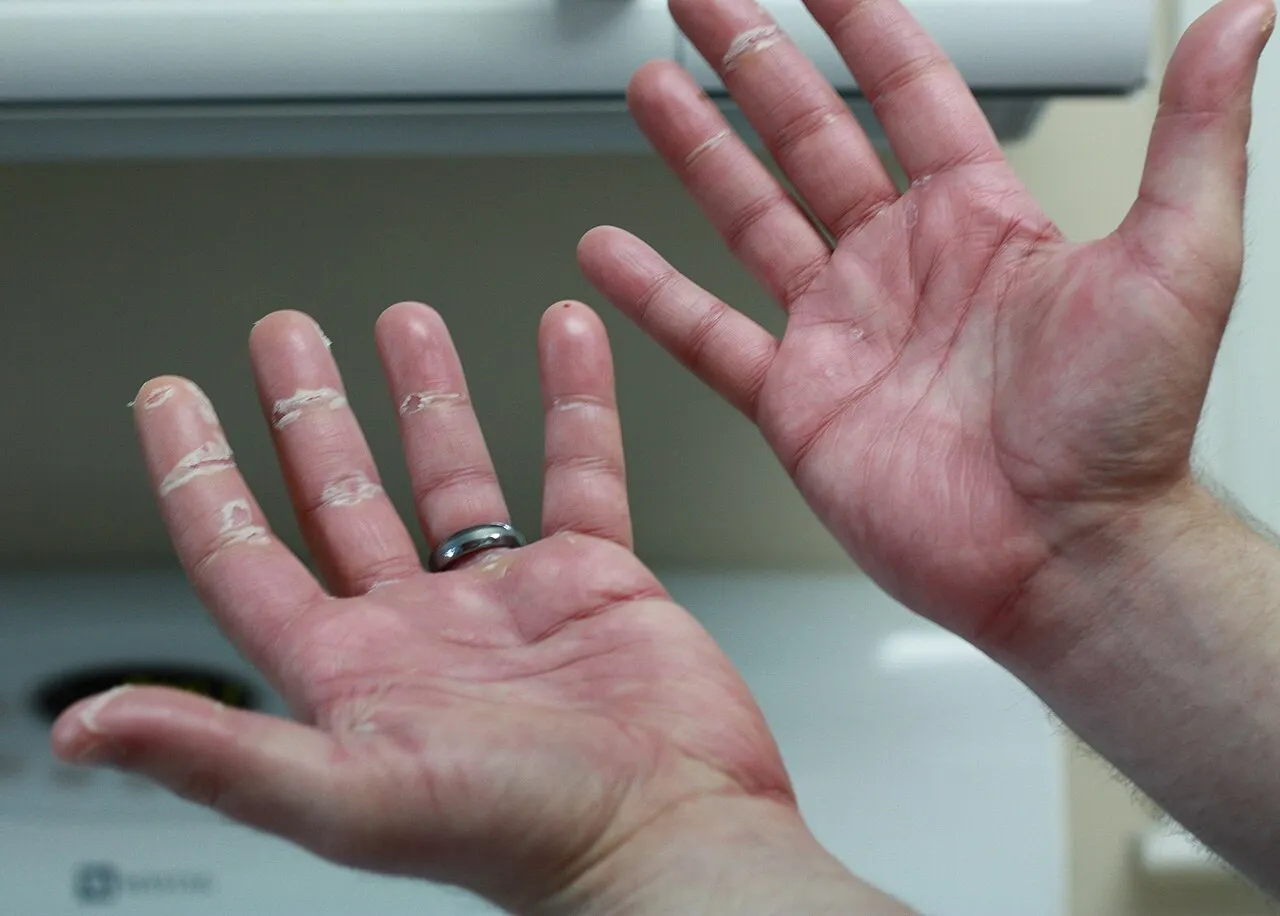
Chemotherapy uses cytotoxic drugs that damage DNA or disrupt cell division, killing dividing cancer cells and, unavoidably, fast-renewing normal tissues such as marrow, gut mucosa and hair follicles. Each cycle kills a constant fraction of tumour cells (log-kill), so treatment is given in repeated cycles that allow normal tissues to recover between doses. Drugs are combined when they have different mechanisms, non-overlapping toxicities and independent activity, which increases cell kill and delays resistance. Intent may be curative (germ cell tumours, lymphomas, leukaemias), adjuvant after surgery, neoadjuvant before it, or palliative to control disease and symptoms. Doses are usually based on body surface area, or on target AUC for carboplatin, and checked against blood counts, organ function and performance status. DPYD testing before fluoropyrimidines is now standard practice. Major toxicities are febrile neutropenia, nausea and vomiting, mucositis, alopecia, extravasation, tumour lysis and organ damage. Safe prescribing and early treatment of neutropenic sepsis save lives.
Patient case, mechanism, investigations, management, flashcards and exam-style questions.Open the lesson →
Key facts
- Log-kill hypothesis: each cycle kills a constant fraction (not number) of cells, so multiple cycles are needed; Gompertzian growth means small tumours grow fastest and are most chemosensitive
- Cell-cycle-specific drugs (antimetabolites in S phase, vinca alkaloids and taxanes in M phase, bleomycin in G2) versus cell-cycle-nonspecific drugs (alkylating agents, platinum, anthracyclines)
- Combination principles: active drugs, different mechanisms, non-overlapping toxicities, optimal dose and schedule, shortest interval allowing marrow recovery
- Doses are calculated from body surface area (mg/m²); carboplatin uses the Calvert formula: dose (mg) = target AUC × (GFR + 25)
- Neutrophil nadir is usually 7–14 days after a cycle; neutropenic sepsis (temperature above 38 °C with neutrophils below 0.5 × 10⁹/L) needs IV antibiotics within 1 hour
- Emetogenic risk guides antiemetics: highly emetogenic regimens (cisplatin, AC) need an NK1 antagonist, 5-HT3 antagonist, dexamethasone and often olanzapine
- Test for DPYD variants before 5-fluorouracil or capecitabine; deficiency causes severe or fatal toxicity (now recommended by EMA, NHS and FDA labelling)
- Vincristine is fatal if given intrathecally: give it only as an IV mini-bag infusion and never in the same session as intrathecal drugs
Differential diagnosis
| Condition | Clues | Key test |
|---|---|---|
| Neutropenic sepsis | Fever 7–14 days after chemotherapy, neutrophils below 0.5 × 10⁹/L | FBC, blood cultures, lactate; antibiotics within 1 hour |
| Tumour lysis syndrome | Hyperkalaemia, hyperphosphataemia, hyperuricaemia, hypocalcaemia, AKI after starting treatment of bulky chemosensitive cancer | U&E, urate, phosphate, calcium (Cairo–Bishop) |
| Chemotherapy-induced nausea and vomiting | Acute (within 24 hours) or delayed (days 2–5) after emetogenic drugs | Clinical; exclude bowel obstruction, hypercalcaemia, brain metastases |
| Extravasation injury | Pain, swelling, erythema at cannula site during vesicant infusion | Stop infusion, aspirate, specific antidote (for example dexrazoxane for anthracyclines) |
| Fluoropyrimidine toxicity from DPYD deficiency | Severe mucositis, diarrhoea, neutropenia early in first cycle | DPYD genotype or phenotype; uridine triacetate antidote if available |
| Anthracycline cardiotoxicity | Breathlessness, falling LVEF, cumulative dose related | Echocardiogram, troponin, BNP |
| Bleomycin pulmonary toxicity | Cough, breathlessness, fine crackles, reduced DLCO | HRCT, lung function |
| Disease progression | New symptoms with growing tumour markers or lesions | Imaging with RECIST assessment |
Exam pearls
Guideline
ASCO/ONS chemotherapy administration safety standards (2016), MASCC/ESMO antiemetic guideline (2016, updated 2023) and ASCO antiemetics guideline (2020), ESMO febrile neutropenia guideline (2016) with NICE CG151 neutropenic sepsis (2012), CPIC DPYD guideline (2017 update) and FDA fluoropyrimidine labelling (2025–2026)
References
- Neuss MN, Gilmore TR, Belderson KM, et al.. 2016 updated American Society of Clinical Oncology/Oncology Nursing Society chemotherapy administration safety standards, including standards for pediatric oncology. J Oncol Pract 2016.
- Roila F, Molassiotis A, Herrstedt J, et al.. 2016 MASCC and ESMO guideline update for the prevention of chemotherapy- and radiotherapy-induced nausea and vomiting and of nausea and vomiting in advanced cancer patients. Ann Oncol 2016.
- Klastersky J, de Naurois J, Rolston K, et al.. Management of febrile neutropaenia: ESMO Clinical Practice Guidelines. Ann Oncol 2016.
- Amstutz U, Henricks LM, Offer SM, et al.. Clinical Pharmacogenetics Implementation Consortium (CPIC) guideline for dihydropyrimidine dehydrogenase genotype and fluoropyrimidine dosing: 2017 update. Clin Pharmacol Ther 2018.
- Goldie JH, Coldman AJ.. A mathematic model for relating the drug sensitivity of tumors to their spontaneous mutation rate. Cancer Treat Rep 1979.
- Norton L, Simon R.. Tumor size, sensitivity to therapy, and design of treatment schedules. Cancer Treat Rep 1977.
Related topics
By Dr Khalid Seidi (B.Sc., M.D.) · MedEd World Clinical Knowledge library. Original teaching content checked against current guidelines (November 2026); confirm the latest local guidance before clinical use. Not a substitute for clinical judgement.