Clinical Knowledge › Obstetrics and gynaecology › Complications of later pregnancy
Preterm prelabour rupture of membranes
Preterm prelabour rupture of membranes (PPROM) is rupture of the fetal membranes before 37+0 weeks of gestation and before the onset of labour. It complicates about 2–3% of pregnancies and precedes roughly one third of preterm births. Ascending infection, inflammation and collagen breakdown weaken the membranes; smoking, previous PPROM or preterm birth, cervical surgery, bleeding and multiple pregnancy raise the risk. Typical presentation is a gush or steady trickle of clear fluid. Diagnosis rests on a sterile speculum examination showing pooling of amniotic fluid; if none is seen, an IGFBP-1 or PAMG-1 test of vaginal fluid helps, and digital vaginal examination is avoided. Management balances the risks of prematurity against chorioamnionitis: oral erythromycin for up to 10 days, antenatal corticosteroids up to 34+6 weeks, magnesium sulfate for neuroprotection before 30–34 weeks, close monitoring for infection, and no tocolysis. Without infection, labour or fetal compromise, expectant management to 37+0 weeks is offered (PPROMT trial); chorioamnionitis requires antibiotics and delivery.
Patient case, mechanism, investigations, management, flashcards and exam-style questions.Open the lesson →
Key facts
- PPROM = membrane rupture before 37+0 weeks and before labour; about 2–3% of pregnancies and one third of preterm births
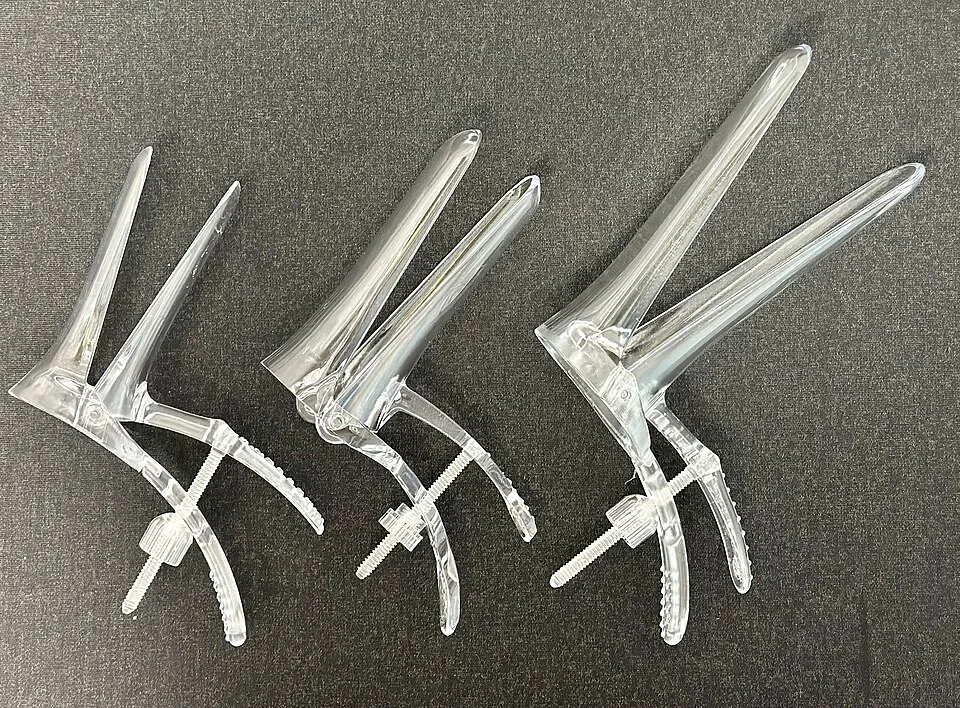
- Diagnosis: sterile speculum examination showing pooling of fluid in the posterior fornix; if no pooling, test vaginal fluid for IGFBP-1 or PAMG-1
- Avoid digital vaginal examination unless in labour: it shortens latency and introduces infection
- Oral erythromycin 250 mg four times daily for 10 days or until established labour (teaching dose; check local protocol); avoid co-amoxiclav (necrotising enterocolitis in ORACLE I)
- Antenatal corticosteroids from 24+0 to 33+6 weeks (consider up to 35+6): betamethasone 12 mg IM, two doses 24 hours apart
- Magnesium sulfate for fetal neuroprotection if birth is expected within 24 hours at 24+0–29+6 weeks (consider to 33+6): 4 g IV over 15 minutes then 1 g/hour
- Chorioamnionitis: maternal fever, maternal and fetal tachycardia, uterine tenderness, offensive liquor, rising CRP/WCC; treat with IV antibiotics and expedite birth
- Without infection or compromise, offer expectant management to 37+0 weeks (RCOG; PPROMT trial); tocolysis is not recommended
Differential diagnosis
| Condition | Clues | Key test |
|---|---|---|
| Urinary incontinence | Small leaks with coughing or straining; urine smell; no pooling | Speculum examination; IGFBP-1/PAMG-1 test negative |
| Physiological leucorrhoea or vaginal infection | Thicker discharge, itch or odour (bacterial vaginosis, candida) | Speculum, pH and microscopy; negative amniotic protein test |
| Cervical mucus 'show' | Blood-stained mucus with contractions or cervical change | Speculum: mucus plug, no pooling of liquor |
| Preterm labour with intact membranes | Regular painful contractions and cervical change, no fluid loss | Speculum, fetal fibronectin or transvaginal cervical length |
| Term prelabour rupture of membranes | Same history but gestation 37+0 weeks or more | Accurate dating from first-trimester scan |
| Antepartum haemorrhage | Fluid is blood rather than clear liquor; pain or shock in abruption | Speculum, ultrasound for placental site, CTG |
Exam pearls
Guideline
RCOG Green-top Guideline No. 73 Care of women presenting with suspected PPROM from 24 weeks (2019); NICE NG25 Preterm labour and birth (2015, updated 2022); ACOG Practice Bulletin No. 217 Prelabor rupture of membranes (2020); RCOG Green-top Guideline No. 74 Antenatal corticosteroids (2022)
References
- Thomson AJ; RCOG. Care of women presenting with suspected preterm prelabour rupture of membranes from 24+0 weeks of gestation: Green-top Guideline No. 73. BJOG 2019.
- National Institute for Health and Care Excellence. Preterm labour and birth (NG25). NICE guideline NG25 2015.
- American College of Obstetricians and Gynecologists. Prelabor rupture of membranes: ACOG Practice Bulletin No. 217. Obstet Gynecol 2020.
- Kenyon SL, Taylor DJ, Tarnow-Mordi W; ORACLE Collaborative Group. Broad-spectrum antibiotics for preterm, prelabour rupture of fetal membranes: the ORACLE I randomised trial. Lancet 2001.
- Morris JM, Roberts CL, Bowen JR, et al.. Immediate delivery compared with expectant management after preterm pre-labour rupture of the membranes close to term (PPROMT trial): a randomised controlled trial. Lancet 2016.
- Royal College of Obstetricians and Gynaecologists. Antenatal corticosteroids to reduce neonatal morbidity and mortality: Green-top Guideline No. 74. BJOG 2022.
Related topics
By Dr Khalid Seidi (B.Sc., M.D.) · MedEd World Clinical Knowledge library. Original teaching content checked against current guidelines (November 2026); confirm the latest local guidance before clinical use. Not a substitute for clinical judgement.