Clinical Knowledge › Internal medicine › Haematology and oncology › Principles of oncology
Survivorship and late effects of cancer treatment
Cancer survivorship covers the physical, psychological, social and financial health of people living with and beyond cancer, from diagnosis onwards. With most adults and over 80% of children now surviving 5 years, many live for decades with treatment consequences. Late effects appear months to years after therapy and depend on the treatment received: anthracycline cardiomyopathy, radiation-induced coronary, valvular and pericardial disease, second cancers after radiotherapy and alkylating agents, therapy-related myeloid neoplasms, infertility and premature ovarian insufficiency, hypothyroidism, neuropathy, hearing loss, lung fibrosis, osteoporosis, lymphoedema and neurocognitive problems. Fatigue, fear of recurrence, depression, work and money problems are common. Good care uses a treatment summary and risk-based survivorship care plan, shared between oncology and primary care, with targeted surveillance (for example echocardiography after anthracyclines and early breast MRI after chest radiotherapy), healthy lifestyle support and management of chronic conditions.
Patient case, mechanism, investigations, management, flashcards and exam-style questions.Open the lesson →
Key facts
- Survivorship begins at diagnosis and includes recurrence surveillance, late-effect screening, psychosocial care and health promotion
- Most adult survivors of childhood cancer develop at least one chronic health condition by middle age; risk is predictable from treatment exposures
- Anthracycline cardiotoxicity is dose-dependent (high risk with cumulative doxorubicin 250 mg/m² or more) and can present years later as heart failure
- Chest radiotherapy causes premature coronary, valvular and pericardial disease and breast cancer; women irradiated in childhood or young adulthood need early breast MRI surveillance
- Alkylating agents cause infertility, premature ovarian insufficiency and therapy-related MDS/AML (latency 5–10 years); topoisomerase II inhibitors cause t-AML within 1–3 years
- Neck or mantle radiotherapy causes hypothyroidism (check TSH yearly) and thyroid cancer; cranial radiotherapy causes growth hormone deficiency and cognitive impairment
- Cisplatin causes ototoxicity, nephrotoxicity and neuropathy; bleomycin causes pulmonary fibrosis; taxanes, vinca alkaloids, oxaliplatin and bortezomib cause neuropathy
- Fatigue, fear of recurrence, depression, cognitive difficulties, sexual problems and financial toxicity are common and treatable
Differential diagnosis
| Condition | Clues | Key test |
|---|---|---|
| Cancer recurrence | New focal symptoms, weight loss, rising tumour marker | Targeted imaging; tissue biopsy |
| Second primary cancer | New mass in radiation field or high-risk organ | Imaging and biopsy; may differ from original cancer |
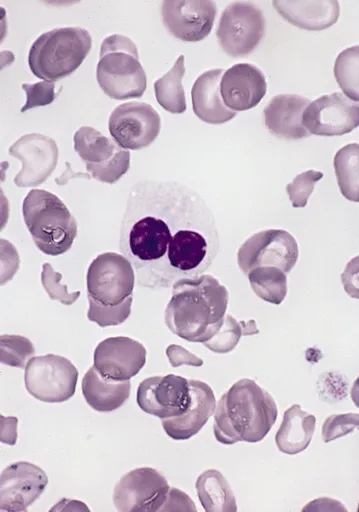
| Therapy-related myeloid neoplasm | Cytopenias or macrocytosis years after alkylators or topoisomerase inhibitors | Blood film and bone marrow with cytogenetics |
| Anthracycline cardiomyopathy | Breathlessness, oedema, reduced ejection fraction | Echocardiography with global longitudinal strain, NT-proBNP |
| Hypothyroidism after neck radiotherapy or ICIs | Fatigue, weight gain, cold intolerance | TSH and free T4 |
| Depression or cancer-related fatigue | Low mood, anhedonia, exhaustion out of proportion to activity | Validated screening tools; exclude anaemia, thyroid and cardiac causes |
Exam pearls
Guideline
ESMO 2022 Expert Consensus Statements on cancer survivorship, ESC 2022 cardio-oncology guideline, Children's Oncology Group long-term follow-up guidelines (version 6.0, 2023) with International Late Effects of Childhood Cancer Guideline Harmonization Group (IGHG) recommendations, and ASCO survivorship guidelines
References
- Vaz-Luis I, Masiero M, Cavaletti G, et al.. ESMO Expert Consensus Statements on Cancer Survivorship: promoting high-quality survivorship care and research in Europe. Ann Oncol 2022.
- Lyon AR, López-Fernández T, Couch LS, et al.. 2022 ESC Guidelines on cardio-oncology developed in collaboration with the European Hematology Association (EHA), the European Society for Therapeutic Radiology and Oncology (ESTRO) and the International Cardio-Oncology Society (IC-OS). Eur Heart J Cardiovasc Imaging 2022.
- van Atteveld JE, Mulder RL, van den Heuvel-Eibrink MM, et al.. Bone mineral density surveillance for childhood, adolescent, and young adult cancer survivors: evidence-based recommendations from the International Late Effects of Childhood Cancer Guideline Harmonization Group. Lancet Diabetes Endocrinol 2021.
- Children's Oncology Group. Long-Term Follow-Up Guidelines for Survivors of Childhood, Adolescent, and Young Adult Cancers, Version 6.0. Children's Oncology Group 2023.
- DeVita VT Jr, Rosenberg SA, Lawrence TS, eds.. DeVita, Hellman, and Rosenberg's Cancer: Principles and Practice of Oncology. 2023.
- Penman ID, Ralston SH, Strachan MWJ, Hobson RP, eds.. Davidson's Principles and Practice of Medicine. 2022.
Related topics
By Dr Khalid Seidi (B.Sc., M.D.) · MedEd World Clinical Knowledge library. Original teaching content checked against current guidelines (November 2026); confirm the latest local guidance before clinical use. Not a substitute for clinical judgement.