Clinical Knowledge › Neurology › Headache, facial pain and cranial nerve disorders
Vestibular neuritis and labyrinthitis
Vestibular neuritis is an acute unilateral peripheral vestibulopathy, thought to be caused by viral inflammation (probably herpes simplex reactivation) of the vestibular nerve, usually its superior division. It causes sudden, severe, continuous vertigo lasting days, with nausea, vomiting and imbalance, but no hearing loss or neurological symptoms. Labyrinthitis is the same picture plus hearing loss and tinnitus, reflecting involvement of the cochlea; bacterial labyrinthitis complicating otitis media or meningitis is a separate emergency. Examination shows direction-fixed horizontal–torsional nystagmus beating away from the affected ear, an abnormal head impulse test towards the affected side, no skew deviation, and ability to walk, although unsteadily. Because stroke can mimic it, every patient needs HINTS, hearing and gait assessment; central features or new hearing loss require urgent MRI. Treatment is supportive: suppressants for a few days only, early mobilisation and vestibular rehabilitation. Most recover over weeks.
Patient case, mechanism, investigations, management, flashcards and exam-style questions.Open the lesson →
Key facts
- Acute unilateral vestibulopathy: sustained vertigo ≥24 hours with nausea, vomiting and imbalance; incidence about 3.5 per 100 000 per year; peak age 30–60
- Vestibular neuritis = no hearing loss; labyrinthitis = vertigo plus hearing loss and/or tinnitus
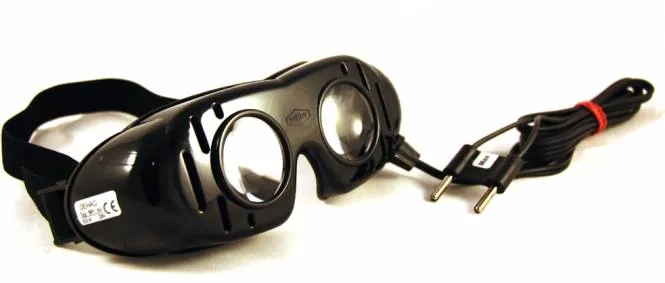
- Spontaneous peripheral nystagmus: direction-fixed, horizontal–torsional, beating away from the affected side, suppressed by visual fixation
- Head impulse test abnormal (corrective saccade) when the head is turned towards the affected ear
- HINTS central pattern (normal head impulse, direction-changing nystagmus, skew deviation), new hearing loss or inability to stand suggest stroke: urgent MRI
- Vestibular suppressants (prochlorperazine, cyclizine) for no longer than about 3 days to avoid delaying compensation
- Early mobilisation and vestibular rehabilitation exercises improve recovery; corticosteroids improve caloric recovery but not clearly symptoms
- Bacterial labyrinthitis (with otitis media, cholesteatoma or meningitis) needs urgent ENT assessment and antibiotics
Differential diagnosis
| Condition | Clues | Key test |
|---|---|---|
| Posterior circulation stroke (PICA/AICA) | Normal head impulse, direction-changing nystagmus, skew, severe ataxia, new hearing loss (AICA) | MRI DWI (may be negative early); CTA |
| Cerebellar haemorrhage | Headache, vomiting, high BP, reduced GCS | CT head |
| Vestibular migraine | Recurrent episodes with migraine features | Clinical criteria |
| Ménière disease (first attack) | Episodes 20 min–12 h with fluctuating low-frequency hearing loss | Audiometry |
| BPPV | Brief positional vertigo, no spontaneous nystagmus | Dix–Hallpike |
| Ramsay Hunt syndrome | Facial palsy, ear vesicles, hearing loss and vertigo | Clinical; VZV PCR |
| Vestibular schwannoma | Progressive unilateral hearing loss and tinnitus, imbalance more than vertigo | MRI internal auditory meatus |
Exam pearls
Guideline
Bárány Society diagnostic criteria for acute unilateral vestibulopathy/vestibular neuritis (2022); AAO-HNS clinical practice guideline on sudden hearing loss (2019 update); AHA/ASA 2026 acute ischaemic stroke guideline (posterior circulation)
References
- Strupp M, Bisdorff A, Furman J, et al.. Acute unilateral vestibulopathy/vestibular neuritis: diagnostic criteria. Consensus document of the Committee for the Classification of Vestibular Disorders of the Bárány Society. J Vestib Res 2022.
- Chandrasekhar SS, Tsai Do BS, Schwartz SR, et al.. Clinical practice guideline: sudden hearing loss (update). Otolaryngol Head Neck Surg 2019.
- Prabhakaran S, Gonzalez NR, Zachrison KS, et al.. 2026 Guideline for the Early Management of Patients With Acute Ischemic Stroke. Stroke 2026.
- Strupp M, Zingler VC, Arbusow V, et al.. Methylprednisolone, valacyclovir, or the combination for vestibular neuritis. N Engl J Med 2004.
- Kattah JC, Talkad AV, Wang DZ, Hsieh YH, Newman-Toker DE. HINTS to diagnose stroke in the acute vestibular syndrome: three-step bedside oculomotor examination more sensitive than early MRI diffusion-weighted imaging. Stroke 2009.
- McDonnell MN, Hillier SL. Vestibular rehabilitation for unilateral peripheral vestibular dysfunction. Cochrane Database Syst Rev 2015.
Related topics
By Dr Khalid Seidi (B.Sc., M.D.) · MedEd World Clinical Knowledge library. Original teaching content checked against current guidelines (November 2026); confirm the latest local guidance before clinical use. Not a substitute for clinical judgement.