Clinical Knowledge › Internal medicine › Haematology and oncology › Bleeding, platelet and thrombotic disorders
Antiphospholipid syndrome (APS)
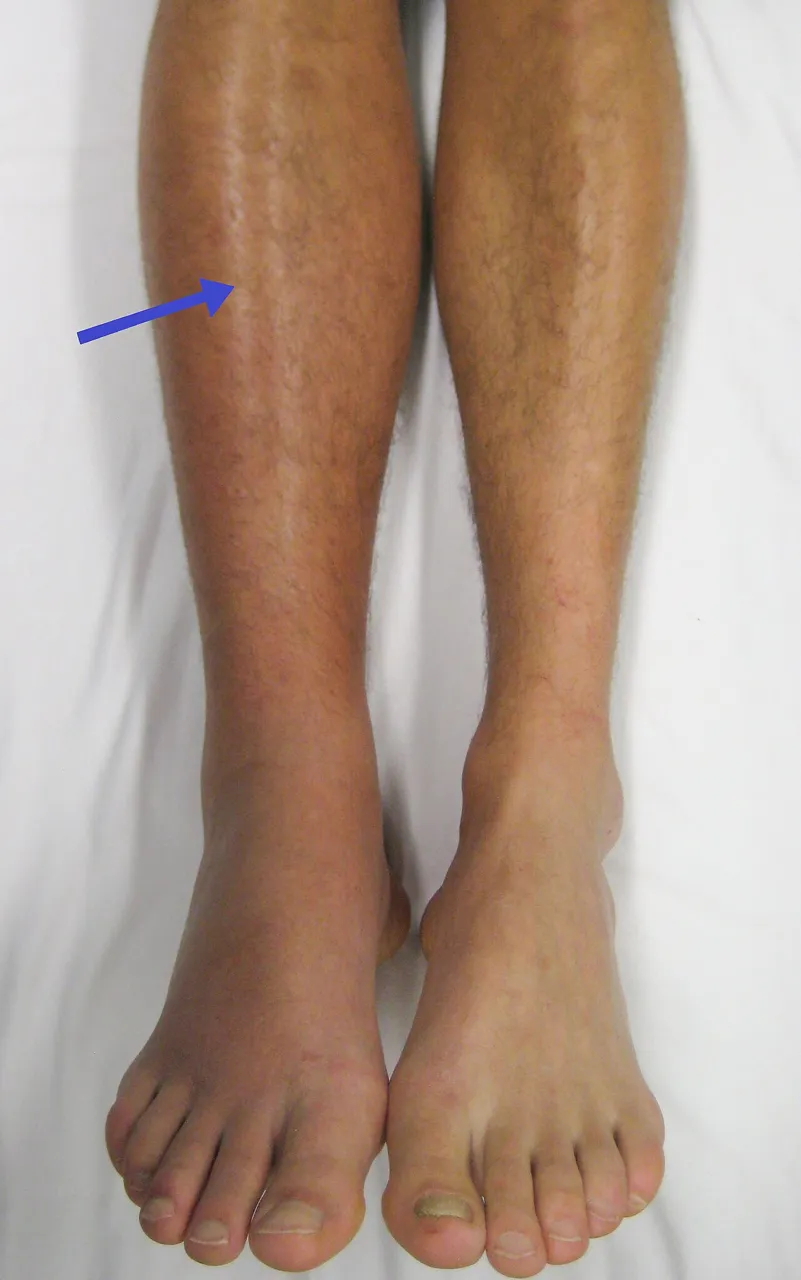
Antiphospholipid syndrome (APS) is an acquired autoimmune thrombophilia in which persistent antiphospholipid antibodies (aPL) – lupus anticoagulant, anticardiolipin and anti-beta2-glycoprotein I antibodies – are associated with venous, arterial or microvascular thrombosis and with pregnancy morbidity. It may be primary or occur with systemic lupus erythematosus. Typical presentations are unprovoked deep vein thrombosis or pulmonary embolism, stroke or TIA in a young adult, recurrent early miscarriage, late fetal loss or early severe pre-eclampsia; livedo and mild thrombocytopenia are further clues. Diagnosis requires a compatible clinical event and aPL confirmed on two occasions at least 12 weeks apart; triple positivity carries the highest risk. Thrombotic APS is treated with long-term warfarin (target INR 2–3); direct oral anticoagulants are avoided in triple-positive and arterial disease. Obstetric APS is managed with low-dose aspirin plus heparin. Catastrophic APS is a rare, rapidly fatal multi-organ thrombotic storm needing anticoagulation, steroids and plasma exchange or IVIG.
Patient case, mechanism, investigations, management, flashcards and exam-style questions.Open the lesson →
Key facts
- APS = clinical event (thrombosis or pregnancy morbidity) + persistent aPL on two occasions at least 12 weeks apart
- Three laboratory tests: lupus anticoagulant (clotting assay, e.g. dRVVT), anticardiolipin IgG/IgM and anti-beta2-glycoprotein I IgG/IgM (ELISA)
- Lupus anticoagulant prolongs the APTT in vitro but causes thrombosis in vivo; the prolonged APTT does not correct with mixing
- Triple positivity (all three tests) carries the highest thrombotic risk
- Long-term warfarin with target INR 2–3 is first-line after a thrombotic event; DOACs are not recommended in triple-positive or arterial APS (TRAPS trial)
- Obstetric APS: low-dose aspirin before conception plus prophylactic LMWH once pregnancy is confirmed; warfarin is teratogenic in the first trimester
- About 30–40% of people with SLE have aPL; hydroxychloroquine is used in SLE-associated APS
- Catastrophic APS: thrombosis in 3 or more organs within 1 week, often triggered by infection or stopping anticoagulation; mortality around 30–50%
Differential diagnosis
| Condition | Clues | Key test |
|---|---|---|
| Inherited thrombophilia (factor V Leiden, protein C/S or antithrombin deficiency) | Family history of VTE, venous events only, normal APTT | Thrombophilia screen; aPL negative |
| Heparin-induced thrombocytopenia | Platelet fall 5–10 days after heparin with new thrombosis | 4T score and anti-PF4/heparin antibodies |
| Thrombotic thrombocytopenic purpura | Microangiopathic haemolysis, low platelets, neurological signs | Blood film schistocytes; ADAMTS13 activity below 10% |
| Paroxysmal nocturnal haemoglobinuria | Haemolysis, cytopenias, thrombosis at unusual sites (hepatic veins) | Flow cytometry for CD55/CD59-deficient cells |
| Myeloproliferative neoplasm | Splanchnic or cerebral vein thrombosis, raised haematocrit or platelets | JAK2 V617F; full blood count |
| Cardioembolic stroke (AF, endocarditis) | Stroke with embolic source, fever or murmur | ECG monitoring, echocardiography, blood cultures |
| Factor deficiency or other inhibitor | Prolonged APTT with bleeding rather than clotting | Mixing study and specific factor assays |
Exam pearls
Guideline
EULAR 2019 recommendations for the management of APS in adults, 2023 ACR/EULAR APS classification criteria and ISTH SSC guidance on lupus anticoagulant testing
References
- Tektonidou MG, Andreoli L, Limper M, et al.. EULAR recommendations for the management of antiphospholipid syndrome in adults. Ann Rheum Dis 2019.
- Barbhaiya M, Zuily S, Naden R, et al.. The 2023 ACR/EULAR antiphospholipid syndrome classification criteria. Arthritis Rheumatol 2023.
- Devreese KMJ, de Groot PG, de Laat B, et al.. Guidance from the Scientific and Standardization Committee for lupus anticoagulant/antiphospholipid antibodies of the ISTH: update of the guidelines for lupus anticoagulant detection and interpretation. J Thromb Haemost 2020.
- Miyakis S, Lockshin MD, Atsumi T, et al.. International consensus statement on an update of the classification criteria for definite antiphospholipid syndrome (APS). J Thromb Haemost 2006.
- Pengo V, Denas G, Zoppellaro G, et al.. Rivaroxaban vs warfarin in high-risk patients with antiphospholipid syndrome. Blood 2018.
- Garcia D, Erkan D. Diagnosis and management of the antiphospholipid syndrome. N Engl J Med 2018.
Related topics
By Dr Khalid Seidi (B.Sc., M.D.) · MedEd World Clinical Knowledge library. Original teaching content checked against current guidelines (November 2026); confirm the latest local guidance before clinical use. Not a substitute for clinical judgement.