Clinical Knowledge › Internal medicine › Haematology and oncology › Bleeding, platelet and thrombotic disorders
Disseminated intravascular coagulation (DIC)
Disseminated intravascular coagulation (DIC) is an acquired syndrome in which an underlying disease causes widespread, uncontrolled activation of coagulation that has lost its normal localisation. Tissue factor exposure and endothelial damage generate thrombin throughout the microcirculation. Microthrombi cause organ dysfunction, and consumption of platelets and clotting factors, with variable fibrinolysis, causes bleeding from wounds, lines and mucosae. Sepsis is the commonest cause; others include major trauma, placental abruption, acute promyelocytic leukaemia and other cancers, and envenomation. Laboratory features are a falling platelet count, prolonged PT and APTT, low or falling fibrinogen and markedly raised D-dimer; the ISTH overt DIC score combines them, and a score of 5 or more is compatible with overt DIC. Treatment is directed at the cause, with platelets, plasma and fibrinogen replacement for bleeding or procedures and heparin prophylaxis or treatment when thrombosis predominates.
Patient case, mechanism, investigations, management, flashcards and exam-style questions.Open the lesson →
Key facts
- DIC is always secondary: find and treat the trigger (sepsis, trauma, obstetric, cancer, envenomation, transfusion reaction)
- Pathophysiology = tissue factor-driven thrombin generation + failure of natural anticoagulants + altered fibrinolysis
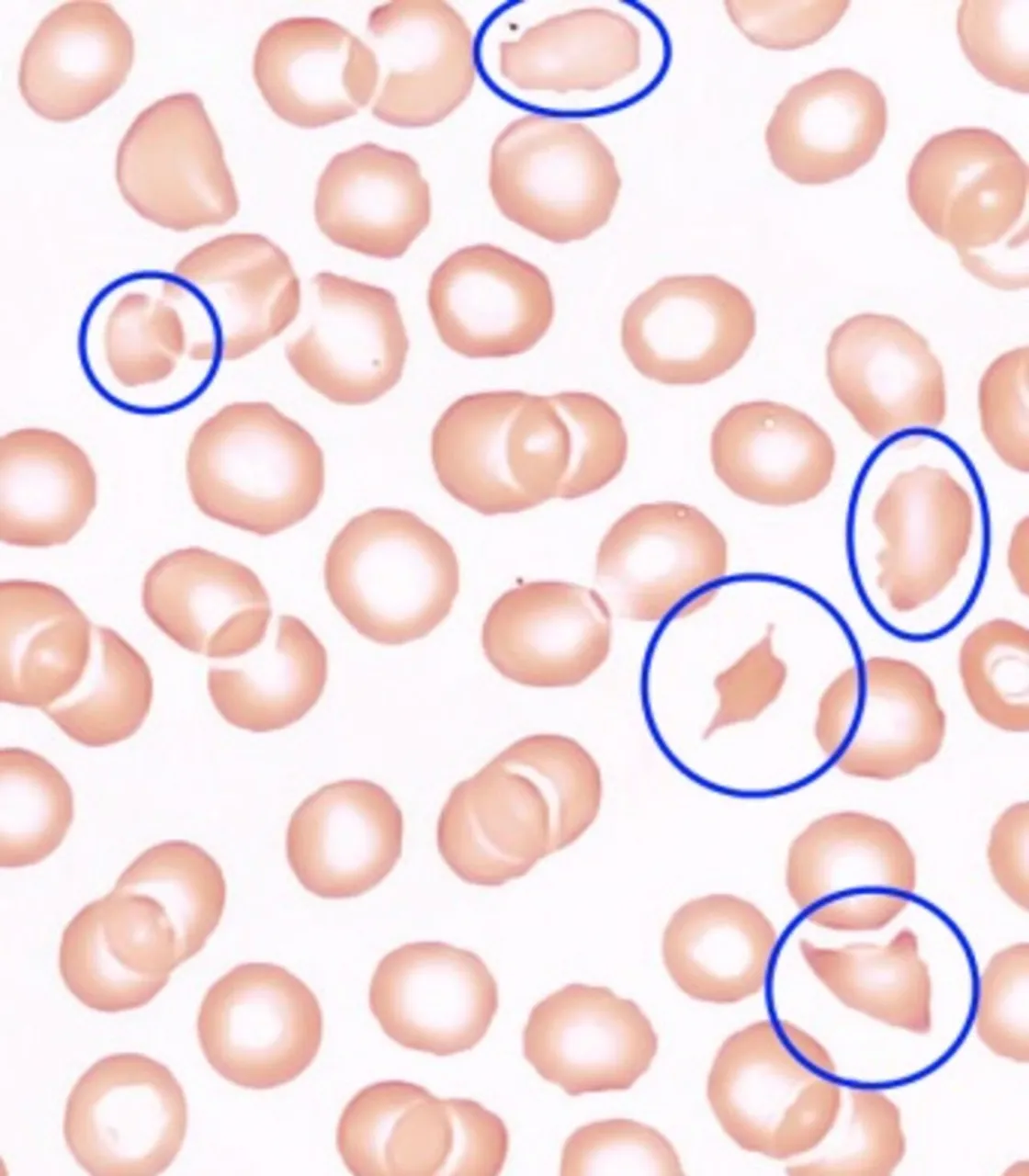
- Labs: low or falling platelets, prolonged PT and APTT, low fibrinogen, very high D-dimer; schistocytes in some
- ISTH overt DIC score (platelets, D-dimer, PT, fibrinogen): 5 or more is compatible with overt DIC
- Serial tests matter more than one value: a falling platelet count and fibrinogen are early signs
- Sepsis DIC is usually thrombotic with organ failure; APL, trauma, obstetric and prostate cancer DIC are often hyperfibrinolytic with bleeding
- Give platelets, plasma and cryoprecipitate or fibrinogen concentrate for bleeding or procedures, not to correct numbers
- Factor VIII is low in DIC but normal or high in liver disease, a useful discriminator
Differential diagnosis
| Condition | Clues | Key test |
|---|---|---|
| Chronic liver disease | Stigmata of cirrhosis, splenomegaly, gradual course | Factor VIII normal or high; D-dimer only modestly raised |
| Thrombotic thrombocytopenic purpura | MAHA, neurology, platelets very low | Normal PT, APTT and fibrinogen; ADAMTS13 below 10% |
| Heparin-induced thrombocytopenia | Platelet fall days 5–10 of heparin, thrombosis | Normal fibrinogen; anti-PF4/heparin antibodies |
| Dilutional coagulopathy after massive transfusion | Large-volume crystalloid and red cells | Volume history; D-dimer not markedly raised |
| Vitamin K deficiency or warfarin | Malnutrition, antibiotics, anticoagulant use | PT prolonged; platelets and fibrinogen normal; corrects with vitamin K |
| HELLP syndrome | Pre-eclampsia, raised transaminases | Hypertension, liver tests; may progress to DIC |
| Primary hyperfibrinolysis (e.g. prostate surgery) | Bleeding with low fibrinogen | Platelets relatively preserved; viscoelastic lysis |
| Heparin contamination of sample | Isolated very prolonged APTT from a line | Repeat by venepuncture; thrombin time and reptilase |
Exam pearls
Guideline
ISTH SSC updated definition and scoring of DIC (2025), ISTH harmonised DIC guidance (2013), ISTH sepsis-induced coagulopathy guidance (2019) and BSH DIC guideline (2009) with BSH major haemorrhage guideline (2022)
References
- Iba T, Levy JH, Maier CL, et al.. Updated definition and scoring of disseminated intravascular coagulation in 2025: communication from the ISTH SSC Subcommittee on Disseminated Intravascular Coagulation. J Thromb Haemost 2025.
- Wada H, Thachil J, Di Nisio M, et al.. Guidance for diagnosis and treatment of DIC from harmonization of the recommendations from three guidelines. J Thromb Haemost 2013.
- Iba T, Levy JH, Warkentin TE, et al.. Diagnosis and management of sepsis-induced coagulopathy and disseminated intravascular coagulation. J Thromb Haemost 2019.
- Levi M, Toh CH, Thachil J, Watson HG. Guidelines for the diagnosis and management of disseminated intravascular coagulation. Br J Haematol 2009.
- Taylor FB Jr, Toh CH, Hoots WK, Wada H, Levi M. Towards definition, clinical and laboratory criteria, and a scoring system for disseminated intravascular coagulation. Thromb Haemost 2001.
- Stanworth SJ, Dowling K, Curry N, et al.. Haematological management of major haemorrhage: a British Society for Haematology Guideline. Br J Haematol 2022.
Related topics
By Dr Khalid Seidi (B.Sc., M.D.) · MedEd World Clinical Knowledge library. Original teaching content checked against current guidelines (November 2026); confirm the latest local guidance before clinical use. Not a substitute for clinical judgement.