Clinical Knowledge › Internal medicine › Haematology and oncology › Bleeding, platelet and thrombotic disorders
Immune thrombocytopenia (ITP)
Immune thrombocytopenia (ITP) is an acquired autoimmune disorder defined by an isolated platelet count below 100 × 10⁹/L without another cause. Autoantibodies, mostly against glycoprotein IIb/IIIa, and cytotoxic T cells shorten platelet survival through splenic clearance and also impair platelet production. ITP is primary or secondary (to HIV, hepatitis C, H. pylori, SLE, antiphospholipid syndrome, CLL, immunodeficiency, drugs or vaccines). In children it usually follows a viral illness, presents with sudden petechiae and bruising and resolves spontaneously in most within a year; in adults it is more often insidious and chronic. Diagnosis is by exclusion: a full blood count and film (to rule out pseudothrombocytopenia, schistocytes or leukaemia) and tests for secondary causes; marrow examination is reserved for atypical cases. Many patients need only observation. Those with bleeding or platelets below 30 × 10⁹/L receive short courses of corticosteroids, with IV immunoglobulin for rapid rises. Thrombopoietin receptor agonists, rituximab, fostamatinib, rilzabrutinib and splenectomy are second-line options.
Patient case, mechanism, investigations, management, flashcards and exam-style questions.Open the lesson →
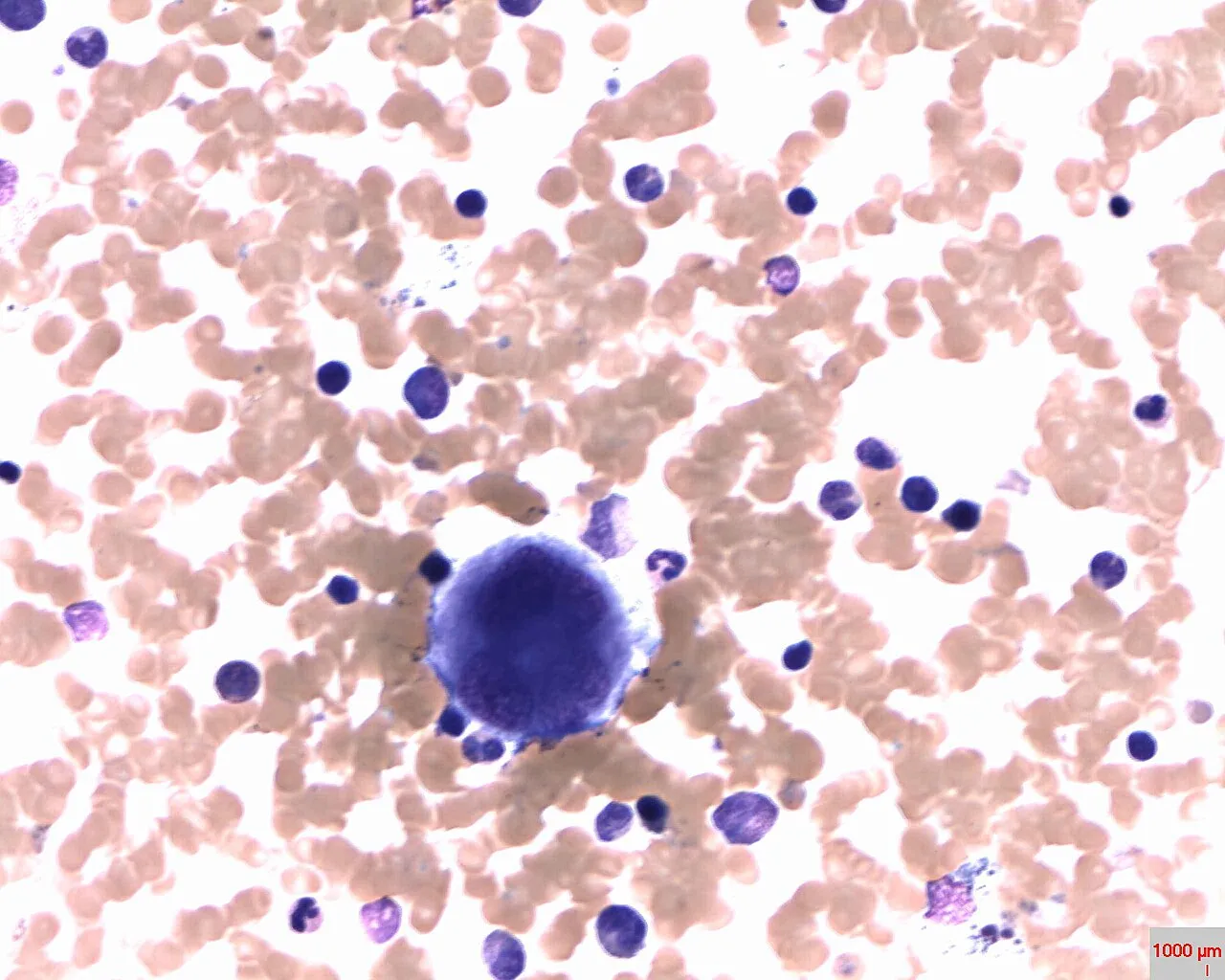
Key facts
- ITP = isolated platelet count below 100 × 10⁹/L with no other cause; a diagnosis of exclusion
- Phases: newly diagnosed (up to 3 months), persistent (3–12 months), chronic (more than 12 months)
- Children: sudden onset after a viral infection, peak 2–6 years; about 70–80% remit within a year; observe if no or mild bleeding
- Adults: often chronic; secondary causes include HIV, hepatitis C, H. pylori, SLE, APS, CLL and drugs
- Exclude pseudothrombocytopenia (EDTA clumping) with a citrate sample and look at the film for schistocytes, blasts or giant platelets
- Treat adults with platelets below 30 × 10⁹/L or bleeding: prednisolone 1 mg/kg (no longer than about 6 weeks) or dexamethasone 40 mg for 4 days
- IV immunoglobulin 1 g/kg (± repeat) raises platelets within 1–3 days and is used for bleeding or before procedures
- Second line: TPO receptor agonists (romiplostim, eltrombopag, avatrombopag), rituximab, fostamatinib, rilzabrutinib (FDA 2025) or splenectomy after 12 months
Differential diagnosis
| Condition | Clues | Key test |
|---|---|---|
| Pseudothrombocytopenia | Well patient, no bleeding, clumps on film | Repeat count in citrate tube |
| Thrombotic thrombocytopenic purpura | Haemolysis, neurological signs, fever, renal impairment | Schistocytes, raised LDH, ADAMTS13 below 10% |
| Heparin-induced thrombocytopenia | Heparin 5–10 days earlier, thrombosis | 4T score, anti-PF4 antibodies |
| Disseminated intravascular coagulation | Sepsis, trauma, malignancy; oozing | Prolonged PT and APTT, low fibrinogen, high D-dimer |
| Acute leukaemia or myelodysplasia | Anaemia, neutropenia, blasts, older age | Film, bone marrow examination |
| Drug-induced immune thrombocytopenia | New drug (quinine, vancomycin, co-trimoxazole, heparin) | Resolution after stopping the drug |
| Gestational thrombocytopenia | Third trimester, platelets usually above 70 × 10⁹/L | Normal before pregnancy, resolves after delivery |
| Inherited thrombocytopenia | Lifelong low platelets, family history, giant platelets | Platelet size, family counts, genetic testing |
Exam pearls
Guideline
Updated International Consensus Report on the investigation and management of primary ITP (2019) and American Society of Hematology 2019 guidelines for immune thrombocytopenia
References
- Provan D, Arnold DM, Bussel JB, et al.. Updated international consensus report on the investigation and management of primary immune thrombocytopenia. Blood Adv 2019.
- Neunert C, Terrell DR, Arnold DM, et al.. American Society of Hematology 2019 guidelines for immune thrombocytopenia. Blood Adv 2019.
- Rodeghiero F, Stasi R, Gernsheimer T, et al.. Standardization of terminology, definitions and outcome criteria in immune thrombocytopenic purpura of adults and children: report from an international working group. Blood 2009.
- Cooper N, Ghanima W. Immune thrombocytopenia. N Engl J Med 2019.
- Kuter DJ, Bussel JB, Lyons RM, et al.. Efficacy of romiplostim in patients with chronic immune thrombocytopenic purpura: a double-blind randomised controlled trial. Lancet 2008.
- Wei Y, Ji XB, Wang YW, et al.. High-dose dexamethasone vs prednisone for treatment of adult immune thrombocytopenia: a prospective multicenter randomized trial. Blood 2016.
Related topics
By Dr Khalid Seidi (B.Sc., M.D.) · MedEd World Clinical Knowledge library. Original teaching content checked against current guidelines (November 2026); confirm the latest local guidance before clinical use. Not a substitute for clinical judgement.