Clinical Knowledge › Paediatrics › Respiratory and ENT
Bacterial tracheitis
Bacterial tracheitis (membranous laryngotracheobronchitis) is an uncommon but life-threatening bacterial infection of the subglottic trachea in which thick purulent exudate and sloughed mucosa form membranes that obstruct the airway. It mainly affects children aged 3–8 years and usually follows a viral respiratory infection such as influenza, parainfluenza or RSV. Staphylococcus aureus (including MRSA) is the leading organism, followed by streptococci, Moraxella and non-typeable Haemophilus influenzae. The child initially seems to have croup but then deteriorates with high fever, toxicity, brassy cough, copious purulent secretions and stridor that responds poorly to nebulised adrenaline and steroids; unlike epiglottitis, drooling is uncommon and the child can usually lie flat. Diagnosis is confirmed by airway endoscopy showing subglottic oedema with adherent membranes; lateral neck X-ray may show a ragged tracheal outline. Management is airway control (most children need intubation), bronchoscopic removal of membranes, frequent suctioning and intravenous antibiotics covering S. aureus and streptococci. Complications include toxic shock syndrome, pneumonia and ARDS.
Patient case, mechanism, investigations, management, flashcards and exam-style questions.Open the lesson →
Key facts
- Rare (estimated about 0.1 per 100 000 children per year) but now a leading cause of infectious upper airway obstruction admitted to PICU after Hib vaccination
- Age typically 3–8 years (mean about 5–7 years); often follows influenza, parainfluenza or RSV
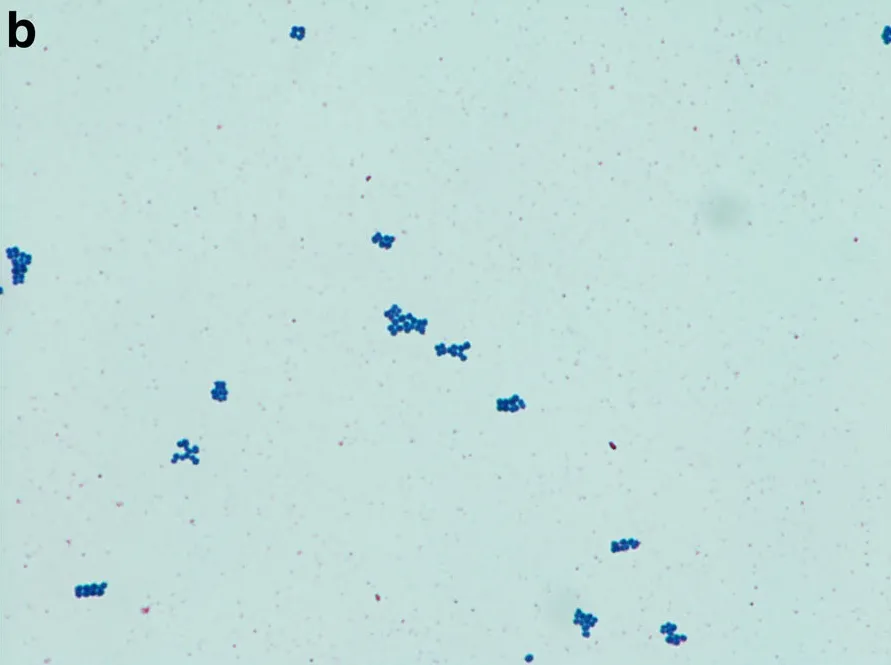
- Staphylococcus aureus (including MRSA) is most common; also S. pyogenes, S. pneumoniae, Moraxella catarrhalis, non-typeable H. influenzae
- Biphasic course: croup-like illness, then sudden high fever, toxicity, brassy cough, purulent secretions and worsening stridor
- Poor response to nebulised adrenaline and corticosteroids is a key clue; drooling is uncommon and the child can usually lie flat
- Airway endoscopy is diagnostic and therapeutic: subglottic oedema, purulent membranes, mucosal ulceration
- Most children need intubation (over half in recent series; 91% in a UK–Australian multicentre series)
- IV antibiotics: third-generation cephalosporin plus anti-staphylococcal agent (flucloxacillin; vancomycin or clindamycin if MRSA), typically 10–14 days
Differential diagnosis
| Condition | Clues | Key test |
|---|---|---|
| Viral croup | Not toxic, low-grade fever, good response to dexamethasone and adrenaline | Clinical; improvement after treatment |
| Epiglottitis | Abrupt onset, drooling, tripod posture, no barking cough | Laryngoscopy in theatre |
| Retropharyngeal abscess | Neck stiffness, torticollis, drooling, dysphagia | Lateral neck X-ray, contrast CT |
| Inhaled foreign body | Sudden choking, afebrile initially; later infection distal to object | Rigid bronchoscopy |
| Diphtheria | Unvaccinated, grey adherent pharyngeal membrane, bull neck, myocarditis | Throat swab culture and toxin PCR |
| Pneumonia with sepsis | Tachypnoea, focal chest signs, no prominent stridor | Chest X-ray, blood culture |
| Tracheostomy-associated tracheobronchitis | Child with tracheostomy, increased purulent secretions | Quantitative tracheal aspirate culture |
Exam pearls
Guideline
No dedicated guideline: consensus paediatric airway and critical-care practice (APLS/RCUK 2025), IDSA MRSA guidance (2011) and national antimicrobial formularies (BNF for Children 2026)
References
- Tebruegge M, Pantazidou A, Thorburn K, et al.. Bacterial tracheitis: a multi-centre perspective. Scand J Infect Dis 2009.
- Hopkins A, Lahiri T, Salerno R, Heath B.. Changing epidemiology of life-threatening upper airway infections: the reemergence of bacterial tracheitis. Pediatrics 2006.
- Casazza G, Graham ME, Nelson D, et al.. Pediatric bacterial tracheitis: a variable entity. Case series with literature review. Otolaryngol Head Neck Surg 2019.
- Akhavan M.. Ear, nose, throat: beyond pharyngitis: retropharyngeal abscess, peritonsillar abscess, epiglottitis, bacterial tracheitis, and postoperative tonsillectomy. Emerg Med Clin North Am 2021.
- Paediatric Formulary Committee. BNF for Children. BMJ Group, Pharmaceutical Press and RCPCH Publications 2026.
- Resuscitation Council UK. Paediatric advanced life support guidelines. Resuscitation Council UK 2025.
Related topics
By Dr Khalid Seidi (B.Sc., M.D.) · MedEd World Clinical Knowledge library. Original teaching content checked against current guidelines (November 2026); confirm the latest local guidance before clinical use. Not a substitute for clinical judgement.