Clinical Knowledge › Obstetrics and gynaecology › Fertility and contraception
Barrier methods and fertility awareness
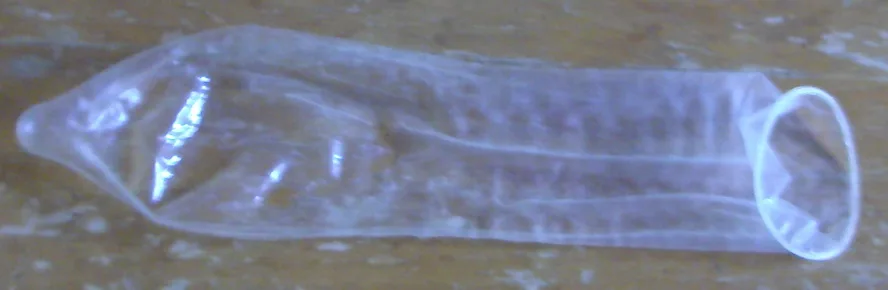
Barrier methods and fertility awareness methods (FAMs) are non-hormonal, user-controlled options. Barrier methods include condoms, the diaphragm, the cervical cap and spermicides. Condoms are the only contraceptives that also reduce transmission of HIV and other sexually transmitted infections, so they are advised alongside any other method when STI risk exists. Effectiveness depends heavily on correct and consistent use: male condoms fail in about 2% of couples a year with perfect use but about 13–18% with typical use, and spermicides alone fail in over a quarter. FAMs identify the fertile window of about 6 days around ovulation using cycle length, basal body temperature, cervical secretions, urinary hormone tests or apps; combined symptothermal methods are the most reliable, with perfect-use failure below 1% but typical-use failure up to about 24%. The lactational amenorrhoea method is over 98% effective in the first 6 months if a woman is fully breastfeeding and amenorrhoeic. Counselling should be honest about typical-use effectiveness and include emergency contraception.
Patient case, mechanism, investigations, management, flashcards and exam-style questions.Open the lesson →
Key facts
- Typical-use first-year failure: male condom about 13–18%, internal condom about 21%, diaphragm with spermicide about 12%, spermicide alone about 28%, withdrawal about 20–22%
- Condoms reduce HIV and other STI transmission and are recommended with any method when STI risk exists
- Oil-based products (petroleum jelly, baby oil, some vaginal creams) weaken latex; use water- or silicone-based lubricants or non-latex condoms
- Diaphragms and caps are used with spermicide and left in for at least 6 hours after the last intercourse
- Frequent nonoxynol-9 spermicide use damages vaginal epithelium and may increase HIV acquisition; avoid if at high risk of HIV
- The fertile window is about 6 days: sperm survive up to 5 days and the oocyte about 24 hours
- Basal body temperature rises by about 0.2–0.5 °C after ovulation (progesterone); fertile secretions are clear, wet and stretchy
- Lactational amenorrhoea method: under 6 months postpartum, fully or nearly fully breastfeeding and no periods: over 98% effective
Differential diagnosis
| Condition | Clues | Key test |
|---|---|---|
| Long-acting reversible contraception | Wants high effectiveness without user action | Counselling |
| Combined or progestogen-only hormonal methods | Accepts hormones; regular user-dependent pill | UKMEC assessment |
| Copper IUD | Wants non-hormonal but highly effective method | Counselling; STI risk |
| Emergency contraception | Condom failure or unprotected sex in fertile window | Timing of UPSI |
| Planning pregnancy (fertility awareness for conception) | Wants to time intercourse | Cycle tracking, preconception advice |
| Irregular cycles making FAM unreliable | PCOS, perimenopause, postpartum, recent hormonal contraception | Cycle history |
Exam pearls
Guideline
FSRH (now CoSRH) Barrier Methods for Contraception and STI Prevention (2012, amended 2015) and Fertility Awareness Methods (2015); WHO MEC 6th edition (2025); US MEC and SPR 2024; WHO Family Planning Handbook (2022)
References
- Faculty of Sexual and Reproductive Healthcare (now CoSRH). FSRH Clinical Guidance: Barrier Methods for Contraception and STI Prevention (August 2012, amended October 2015). FSRH 2015.
- Faculty of Sexual and Reproductive Healthcare (now CoSRH). FSRH Clinical Guidance: Fertility Awareness Methods (June 2015). FSRH 2015.
- World Health Organization. Medical eligibility criteria for contraceptive use, 6th edition. WHO 2025.
- Nguyen AT, Curtis KM, Tepper NK, et al. (CDC). U.S. Medical Eligibility Criteria for Contraceptive Use, 2024. MMWR Recomm Rep 2024.
- World Health Organization Department of Sexual and Reproductive Health and Research; Johns Hopkins Center for Communication Programs. Family Planning: A Global Handbook for Providers, 2022 update. WHO 2022.
- Trussell J.. Contraceptive failure in the United States. Contraception 2011.
Related topics
By Dr Khalid Seidi (B.Sc., M.D.) · MedEd World Clinical Knowledge library. Original teaching content checked against current guidelines (November 2026); confirm the latest local guidance before clinical use. Not a substitute for clinical judgement.