Clinical Knowledge › Internal medicine › Basics of internal medicine › Nutrition
Thiamine deficiency (beriberi and Wernicke encephalopathy)
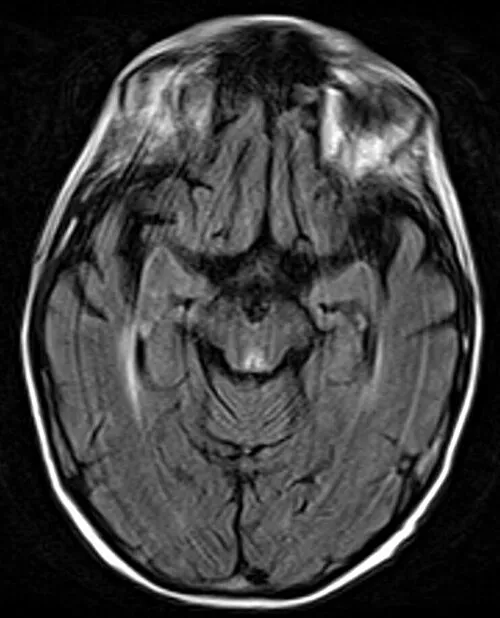
Thiamine (vitamin B1) is converted to thiamine pyrophosphate, the cofactor for pyruvate dehydrogenase, α-ketoglutarate dehydrogenase and transketolase. Stores last only about 2–3 weeks, so deficiency develops quickly with alcohol use disorder, malnutrition, persistent vomiting (hyperemesis gravidarum, bariatric surgery), refeeding or polished rice diets. Energy failure affects the brain, heart and nerves. Wernicke encephalopathy causes acute confusion, ophthalmoplegia or nystagmus and ataxia, but the full triad is present in a minority, so diagnosis relies on clinical suspicion (Caine criteria in alcohol use disorder). Untreated, it progresses to Korsakoff syndrome with amnesia and confabulation. Dry beriberi is a symmetrical peripheral neuropathy; wet beriberi is high-output heart failure with lactic acidosis, and Shoshin beriberi is its fulminant form. Treatment is immediate high-dose parenteral thiamine without waiting for blood levels or MRI, given before or with glucose but never delaying treatment of hypoglycaemia, plus magnesium correction.
Patient case, mechanism, investigations, management, flashcards and exam-style questions.Open the lesson →
Key facts
- Thiamine pyrophosphate is the cofactor for pyruvate dehydrogenase, α-ketoglutarate dehydrogenase, branched-chain keto acid dehydrogenase and transketolase
- Body stores last only about 2–3 weeks
- Wernicke triad (confusion, ophthalmoplegia/nystagmus, ataxia) is complete in only about 10–20%
- Caine criteria: 2 of dietary deficiency, eye signs, cerebellar signs, altered mental state or memory impairment
- Treat suspected Wernicke encephalopathy with high-dose IV thiamine immediately; do not wait for tests
- Give thiamine before or with glucose, but never delay glucose in hypoglycaemia
- Wet beriberi = high-output heart failure with lactic acidosis; responds within hours to days to thiamine
- Korsakoff syndrome = anterograde amnesia and confabulation from mammillary body and medial thalamic damage
Differential diagnosis
| Condition | Clues | Key test |
|---|---|---|
| Alcohol intoxication or withdrawal | Tremor, sweating, hallucinations; no ophthalmoplegia | Clinical course; blood alcohol |
| Hepatic encephalopathy | Asterixis, jaundice, signs of chronic liver disease | Ammonia, liver tests; responds to lactulose |
| Hypoglycaemia | Sweating, confusion, rapid reversal with glucose | Capillary glucose |
| Brainstem or cerebellar stroke | Sudden onset, focal or crossed signs | MRI with diffusion-weighted imaging |
| Subdural haematoma | Head injury, falls, fluctuating consciousness | CT head |
| Vitamin B12 deficiency | Subacute combined degeneration, macrocytic anaemia | B12 and methylmalonic acid |
| Dilated cardiomyopathy (vs wet beriberi) | Low-output heart failure, cold peripheries | Echocardiography; no response to thiamine |
| Miller Fisher variant of Guillain–Barré | Ophthalmoplegia, ataxia, areflexia, alert | Anti-GQ1b antibodies, CSF protein |
Exam pearls
Guideline
EFNS guideline on Wernicke encephalopathy (2010), NICE CG100 Alcohol-use disorders: physical complications (2010, updated 2017) and ESPEN micronutrient guideline (2022)
References
- Galvin R, Bråthen G, Ivashynka A, et al.. EFNS guidelines for diagnosis, therapy and prevention of Wernicke encephalopathy. Eur J Neurol 2010.
- National Institute for Health and Care Excellence. Alcohol-use disorders: diagnosis and management of physical complications (CG100). NICE (last updated 2017) 2010.
- Berger MM, Shenkin A, Schweinlin A, et al.. ESPEN micronutrient guideline. Clin Nutr 2022.
- Sechi G, Serra A. Wernicke's encephalopathy: new clinical settings and recent advances in diagnosis and management. Lancet Neurol 2007.
- Caine D, Halliday GM, Kril JJ, Harper CG. Operational criteria for the classification of chronic alcoholics: identification of Wernicke's encephalopathy. J Neurol Neurosurg Psychiatry 1997.
- Whitfield KC, Bourassa MW, Adamolekun B, et al.. Thiamine deficiency disorders: diagnosis, prevalence, and a roadmap for global control programs. Ann N Y Acad Sci 2018.
Related topics
By Dr Khalid Seidi (B.Sc., M.D.) · MedEd World Clinical Knowledge library. Original teaching content checked against current guidelines (November 2026); confirm the latest local guidance before clinical use. Not a substitute for clinical judgement.