Clinical Knowledge › Internal medicine › Infectious diseases › Tropical and travel medicine
Chikungunya and Zika
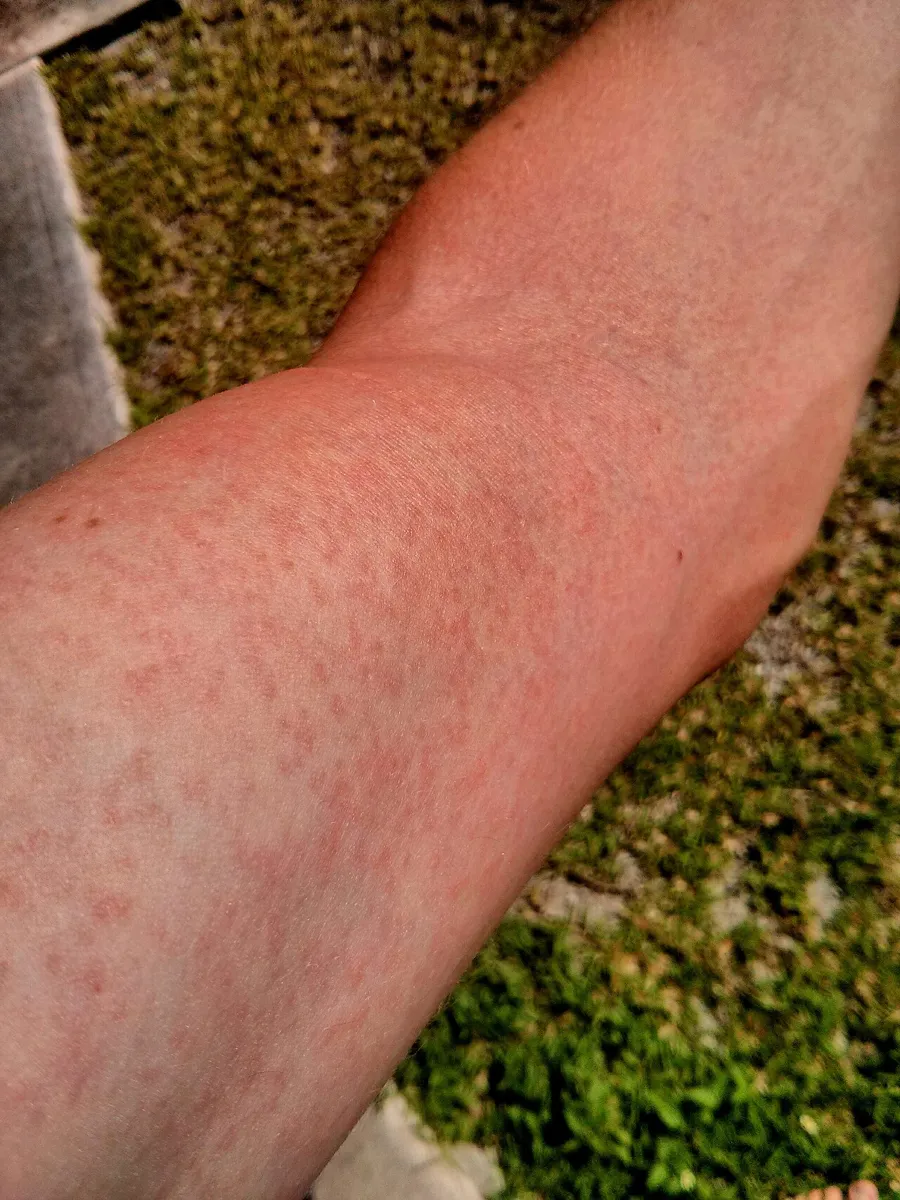
Chikungunya and Zika are arboviral infections spread mainly by day-biting Aedes aegypti and Aedes albopictus mosquitoes across the tropics and subtropics, with local transmission now reported in southern Europe. Chikungunya, an alphavirus, causes abrupt high fever with severe, often disabling symmetrical polyarthralgia of the hands, wrists and ankles and a maculopapular rash; arthralgia persists for months or years in a substantial minority, and neonates, older adults and people with comorbidities can develop severe disease. Zika, a flavivirus, is usually mild or silent, with a pruritic rash, non-purulent conjunctivitis, arthralgia and low-grade fever, but it is also transmitted sexually and vertically, and infection in pregnancy can cause congenital Zika syndrome with microcephaly; it also triggers Guillain–Barré syndrome. Both are diagnosed by RT-PCR early and serology later, with care over cross-reactivity and co-circulating dengue. Treatment is supportive, avoiding NSAIDs until dengue is excluded. Chikungunya vaccines were licensed from 2023, while no Zika vaccine is available.
Patient case, mechanism, investigations, management, flashcards and exam-style questions.Open the lesson →
Key facts
- Chikungunya: alphavirus (Togaviridae); Zika: flavivirus (Flaviviridae, like dengue); both spread by Aedes aegypti and Aedes albopictus
- Chikungunya ('that which bends up') causes high fever and severe symmetrical polyarthralgia; most infected people are symptomatic
- Chronic chikungunya arthralgia or inflammatory arthritis persists beyond 3 months in a substantial minority, especially older adults
- Zika is asymptomatic in most; symptomatic cases have pruritic maculopapular rash, conjunctivitis, arthralgia and low fever
- Zika spreads sexually, vertically and by transfusion; infection in pregnancy can cause congenital Zika syndrome (microcephaly, brain calcifications, eye lesions, contractures)
- Both trigger Guillain–Barré syndrome; chikungunya can also cause encephalitis, especially in neonates infected around birth
- RT-PCR in the first week (Zika also in urine) and IgM thereafter; flavivirus serology cross-reacts with dengue and vaccines
- Supportive care with paracetamol; avoid NSAIDs and aspirin until dengue is excluded; no specific antiviral for either
Differential diagnosis
| Condition | Clues | Key test |
|---|---|---|
| Dengue | Thrombocytopenia, haemoconcentration, retro-orbital pain, less arthritis | NS1 antigen, dengue PCR or IgM |
| Malaria | Fever after travel to endemic area | Films or rapid antigen test |
| Rubella or measles | Fever with rash and lymphadenopathy or Koplik spots | Vaccination history; rubella or measles IgM and PCR |
| Parvovirus B19 | Rash and symmetrical small-joint arthritis | Parvovirus IgM or PCR |
| Rheumatoid arthritis | Symmetrical polyarthritis persisting for months | Rheumatoid factor, anti-CCP; chikungunya serology and travel history |
| Acute HIV infection | Fever, rash, lymphadenopathy, pharyngitis | HIV antigen/antibody test |
| Leptospirosis or rickettsial infection | Fever and conjunctival suffusion or eschar | Leptospira PCR, rickettsial serology |
Exam pearls
Guideline
WHO guidelines for clinical management of arboviral diseases: dengue, chikungunya, Zika and yellow fever (2025); WHO guidance on prevention of sexual transmission of Zika virus; French guidelines for acute and persistent chikungunya (2014, published 2015)
References
- World Health Organization. WHO guidelines for clinical management of arboviral diseases: dengue, chikungunya, Zika and yellow fever. World Health Organization, Geneva 2025.
- Schneider M, Narciso-Abraham M, Hadl S, McMahon R, et al.. Safety and immunogenicity of a single-shot live-attenuated chikungunya vaccine: a double-blind, multicentre, randomised, placebo-controlled, phase 3 trial. Lancet 2023.
- Weaver SC, Lecuit M. Chikungunya virus and the global spread of a mosquito-borne disease. N Engl J Med 2015.
- Musso D, Ko AI, Baud D. Zika virus infection - after the pandemic. N Engl J Med 2019.
- Brasil P, Pereira JP, Moreira ME, Ribeiro Nogueira RM, et al.. Zika virus infection in pregnant women in Rio de Janeiro. N Engl J Med 2016.
- Simon F, Javelle E, Cabie A, Bouquillard E, et al.. French guidelines for the management of chikungunya (acute and persistent presentations). November 2014. Med Mal Infect 2015.
Related topics
By Dr Khalid Seidi (B.Sc., M.D.) · MedEd World Clinical Knowledge library. Original teaching content checked against current guidelines (November 2026); confirm the latest local guidance before clinical use. Not a substitute for clinical judgement.