Clinical Knowledge › Internal medicine › Infectious diseases › Tropical and travel medicine
Viral haemorrhagic fevers (Ebola, Lassa)
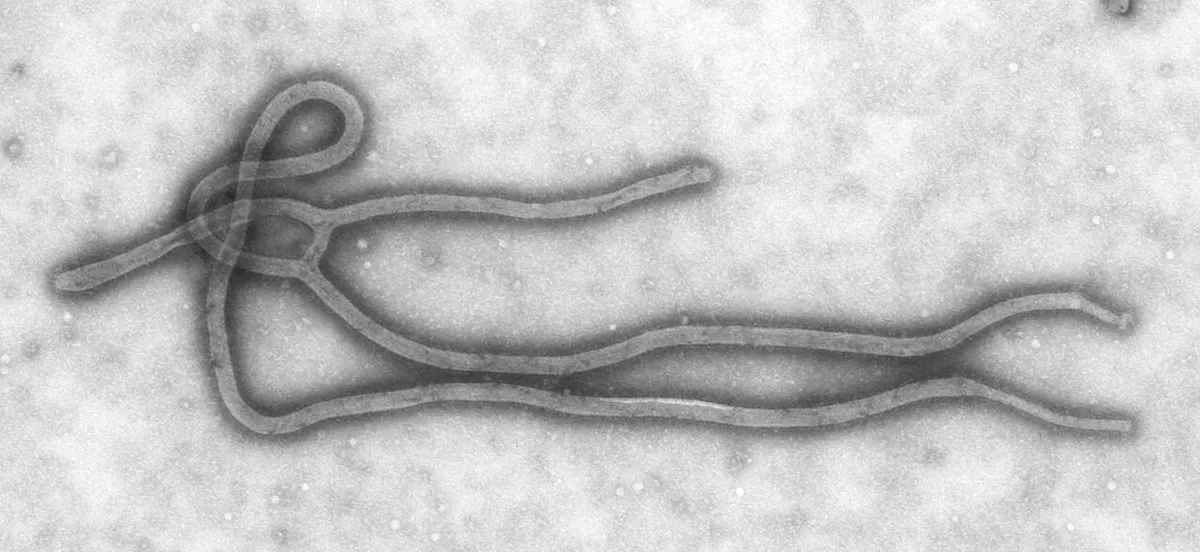
Viral haemorrhagic fevers (VHFs) are severe systemic infections caused by RNA viruses, notably filoviruses (Ebola and Marburg), arenaviruses (Lassa), bunyaviruses (Crimean–Congo haemorrhagic fever) and flaviviruses. They cause fever, endothelial and immune dysfunction, capillary leak, coagulopathy and multi-organ failure; overt bleeding occurs in only a minority. Ebola spreads by direct contact with blood, body fluids and bodies, with an incubation period of 2–21 days; gastrointestinal fluid loss and shock dominate, and mortality is 30–90%. Lassa fever is acquired from Mastomys rodents in West Africa and causes pharyngitis, facial oedema and encephalopathy, and deafness in many survivors. In any febrile traveller from an endemic or outbreak area within 21 days, a structured risk assessment, prompt isolation, malaria testing and VHF PCR in a designated laboratory are essential. Treatment is intensive supportive care plus the monoclonal antibodies ansuvimab or REGN-EB3 for Zaire ebolavirus and ribavirin for Lassa; ring vaccination with rVSV-ZEBOV controls Ebola outbreaks.
Patient case, mechanism, investigations, management, flashcards and exam-style questions.Open the lesson →
Key facts
- VHFs include Ebola and Marburg (filoviruses), Lassa (arenavirus), CCHF (tick-borne nairovirus), and dengue and yellow fever (flaviviruses)
- Maximum incubation for Ebola, Marburg, Lassa and CCHF is 21 days: fever after more than 21 days from exposure excludes these VHFs
- Ebola is not transmitted before symptoms; risk rises with severity and is highest from blood, vomit, diarrhoea and dead bodies
- Malaria remains the commonest cause of fever in travellers from VHF areas – test for it urgently in parallel, not instead
- Ebola: fever and fatigue progress to profuse vomiting and diarrhoea, hypovolaemic shock, AKI and electrolyte loss; bleeding in a minority
- PALM trial: ansuvimab (mAb114) and REGN-EB3 reduced 28-day mortality compared with ZMapp; WHO strongly recommends both for Zaire ebolavirus
- Lassa fever: exudative pharyngitis, retrosternal pain, facial oedema, proteinuria; AST above 150 U/L and high viraemia predict death; sensorineural deafness in about a quarter of survivors
- Ebola virus persists in semen, eye and CNS for months; survivors need follow-up for uveitis and advice on safe sex
Differential diagnosis
| Condition | Clues | Key test |
|---|---|---|
| Falciparum malaria | Fever, thrombocytopenia, jaundice, confusion after Africa | Malaria rapid test and films (always test) |
| Meningococcal septicaemia | Fever with purpuric rash and shock | Blood cultures, meningococcal PCR |
| Severe dengue | Plasma leakage, thrombocytopenia, bleeding after Asia or Americas | Dengue NS1 antigen, PCR, IgM |
| Enteric fever | Prolonged fever, abdominal pain, relative bradycardia | Blood cultures |
| Leptospirosis | Fever, conjunctival suffusion, jaundice, AKI after freshwater exposure | Leptospira PCR, serology |
| Rickettsial infection (African tick bite fever, typhus) | Fever with eschar and rash after safari | Clinical; rickettsial PCR or serology; doxycycline response |
| Yellow fever | Fever, jaundice, bleeding in an unvaccinated traveller | Yellow fever PCR or IgM; vaccination history |
Exam pearls
Guideline
WHO Therapeutics for Ebola virus disease guideline (2022); UK ACDP/UKHSA Management of hazard group 4 viral haemorrhagic fevers and VHF risk assessment algorithm (current version); WHO Ebola vaccine recommendations (SAGE)
References
- World Health Organization. Therapeutics for Ebola virus disease (WHO guideline). World Health Organization, Geneva 2022.
- Advisory Committee on Dangerous Pathogens / UK Health Security Agency. Viral haemorrhagic fever: ACDP algorithm and guidance on management of patients. UK Health Security Agency 2015.
- Mulangu S, Dodd LE, Davey RT, Tshiani Mbaya O, et al.. A randomized, controlled trial of Ebola virus disease therapeutics. N Engl J Med 2019.
- Henao-Restrepo AM, Camacho A, Longini IM, Watson CH, et al.. Efficacy and effectiveness of an rVSV-vectored vaccine in preventing Ebola virus disease: final results from the Guinea ring vaccination, open-label, cluster-randomised trial (Ebola Ça Suffit!). Lancet 2017.
- Feldmann H, Sprecher A, Geisbert TW. Ebola. N Engl J Med 2020.
- McCormick JB, King IJ, Webb PA, Scribner CL, et al.. Lassa fever. Effective therapy with ribavirin. N Engl J Med 1986.
Related topics
By Dr Khalid Seidi (B.Sc., M.D.) · MedEd World Clinical Knowledge library. Original teaching content checked against current guidelines (November 2026); confirm the latest local guidance before clinical use. Not a substitute for clinical judgement.