Clinical Knowledge › Internal medicine › Infectious diseases › Tropical and travel medicine
Leishmaniasis
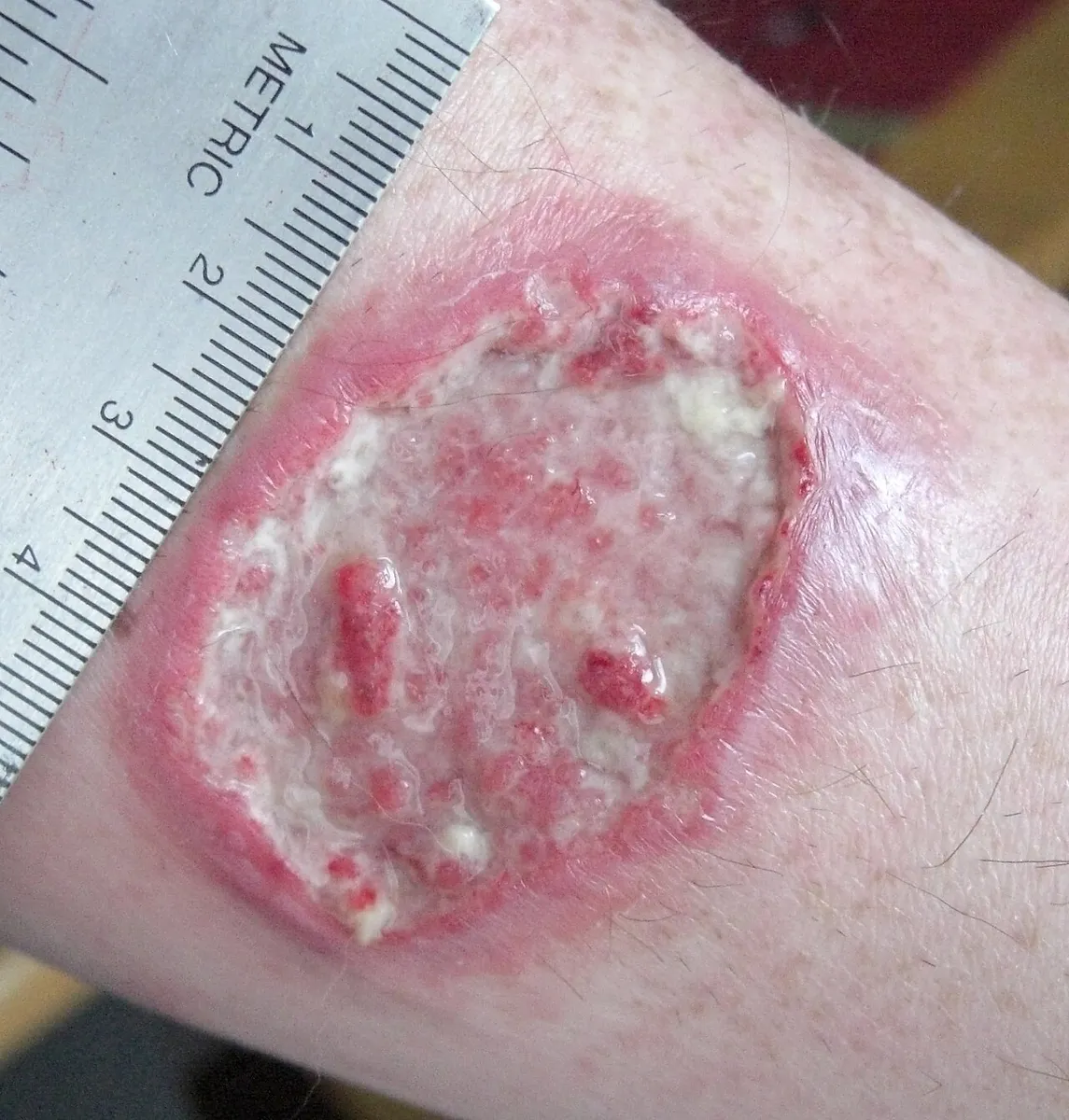
Leishmaniasis is a group of diseases caused by intracellular Leishmania protozoa transmitted by the bite of female phlebotomine sandflies. Promastigotes injected into the skin are taken up by macrophages, where they multiply as amastigotes. The outcome depends on species and host cell-mediated immunity. Cutaneous leishmaniasis causes a painless papule that ulcerates with a raised edge at the bite site and often heals with scarring; Viannia species in Latin America can later destroy the nasal and oral mucosa (mucosal leishmaniasis). Visceral leishmaniasis (kala-azar), due to L. donovani in East Africa and South Asia and L. infantum around the Mediterranean, in the Middle East and in Brazil, causes prolonged fever, weight loss, massive splenomegaly, pancytopenia and hypergammaglobulinaemia, and is fatal without treatment; HIV co-infection worsens it. Diagnosis uses rK39 rapid tests, tissue amastigotes and PCR. Liposomal amphotericin B is the main treatment, with regimens tailored to region, while miltefosine and paromomycin combinations are used in East Africa.
Patient case, mechanism, investigations, management, flashcards and exam-style questions.Open the lesson →
Key facts
- Transmitted by female phlebotomine sandflies; amastigotes (Leishman–Donovan bodies) live inside macrophages
- Visceral leishmaniasis: fever, weight loss, massive splenomegaly, pancytopenia and polyclonal hypergammaglobulinaemia; untreated mortality is over 90%
- L. donovani (East Africa, South Asia) is mainly anthroponotic; L. infantum (Mediterranean, Middle East, Brazil) has a dog reservoir
- rK39 rapid test is highly sensitive in South Asia but less so in East Africa; splenic aspirate is the most sensitive tissue test but risks bleeding
- Liposomal amphotericin B is first-line for most visceral disease; single-dose 10 mg/kg was the standard in South Asia
- In East Africa, paromomycin plus miltefosine for 14 days is an alternative to antimonial-based regimens, avoiding antimonial cardiotoxicity
- Cutaneous leishmaniasis: painless ulcer with raised edge; Viannia species (L. braziliensis) risk later mucosal disease and need systemic treatment
- Post-kala-azar dermal leishmaniasis (PKDL) follows treated L. donovani infection and acts as a reservoir for transmission
Differential diagnosis
| Condition | Clues | Key test |
|---|---|---|
| Malaria | Fever and splenomegaly in an endemic area | Thick and thin films or rapid antigen test |
| Haematological malignancy (lymphoma, CML, myelofibrosis) | Massive splenomegaly and cytopenias | Blood film, bone marrow biopsy, flow cytometry |
| Tuberculosis (disseminated) | Fever, weight loss, hepatosplenomegaly | Mycobacterial cultures, bone marrow granulomas |
| Hyperreactive malarial splenomegaly | Massive spleen, high IgM, malaria-endemic area | High malaria antibodies; response to antimalarial prophylaxis |
| Enteric fever or brucellosis | Prolonged fever with hepatosplenomegaly | Blood or bone marrow culture |
| Cutaneous TB, sporotrichosis, leprosy or skin cancer | Chronic skin ulcer or nodule | Biopsy with special stains, culture and PCR |
| Haemophagocytic lymphohistiocytosis | Fever, cytopenias, very high ferritin | HScore; marrow; VL can trigger HLH |
Exam pearls
Guideline
IDSA/ASTMH Clinical Practice Guidelines for diagnosis and treatment of leishmaniasis (2016); WHO guideline for treatment of visceral leishmaniasis in HIV co-infected patients in East Africa and South-East Asia (2022); WHO Expert Committee on the Control of the Leishmaniases (TRS 949) with later WHO regional updates
References
- Burza S, Croft SL, Boelaert M. Leishmaniasis. Lancet 2018.
- Aronson N, Herwaldt BL, Libman M, Pearson R, et al.. Diagnosis and treatment of leishmaniasis: clinical practice guidelines by the Infectious Diseases Society of America (IDSA) and the American Society of Tropical Medicine and Hygiene (ASTMH). Clin Infect Dis 2016.
- World Health Organization. Control of the leishmaniases: report of a meeting of the WHO Expert Committee on the Control of Leishmaniases (WHO Technical Report Series 949). World Health Organization, Geneva 2010.
- World Health Organization. WHO guideline for the treatment of visceral leishmaniasis in HIV co-infected patients in East Africa and South-East Asia. World Health Organization, Geneva 2022.
- Musa AM, Mbui J, Mohammed R, Olobo J, et al.. Paromomycin and miltefosine combination as an alternative to treat patients with visceral leishmaniasis in Eastern Africa: a randomized, controlled, multicountry trial. Clin Infect Dis 2023.
- Bennett JE, Dolin R, Blaser MJ, eds.. Mandell, Douglas, and Bennett's Principles and Practice of Infectious Diseases. 2020.
Related topics
By Dr Khalid Seidi (B.Sc., M.D.) · MedEd World Clinical Knowledge library. Original teaching content checked against current guidelines (November 2026); confirm the latest local guidance before clinical use. Not a substitute for clinical judgement.