Clinical Knowledge › Internal medicine › Infectious diseases › Tropical and travel medicine
Enteric fever (typhoid and paratyphoid)
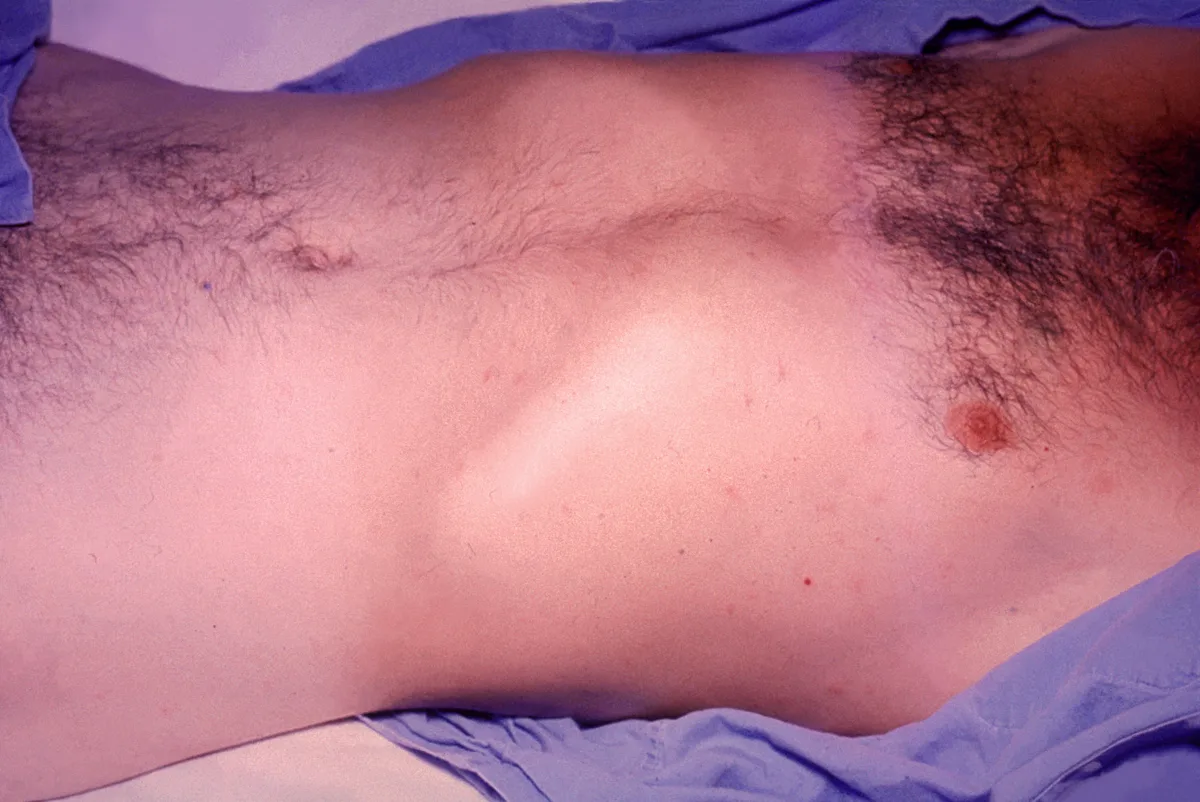
Enteric fever is a systemic infection caused by Salmonella enterica serovar Typhi (typhoid) or Paratyphi A, B or C (paratyphoid). Humans are the only reservoir, and spread is faeco-oral through water or food contaminated by patients or chronic carriers; the burden is highest in South Asia and sub-Saharan Africa, and most cases in high-income countries follow travel to visit friends and relatives in Pakistan, India or Bangladesh. After 7–14 days of incubation it causes gradually rising fever, headache, malaise, abdominal pain, constipation or diarrhoea and dry cough, sometimes with relative bradycardia, rose spots and hepatosplenomegaly. Without treatment, ileal perforation, gastrointestinal bleeding and encephalopathy occur in the third week. Blood culture is the key test; bone marrow culture is the most sensitive, and the Widal test is unreliable. Resistance shapes treatment: fluoroquinolone non-susceptibility is common in South Asia, and extensively drug-resistant (XDR) typhoid from Pakistan is resistant to ceftriaxone, leaving azithromycin and carbapenems. Prevention depends on safe water and sanitation, food hygiene and typhoid vaccines, especially the conjugate vaccine.
Patient case, mechanism, investigations, management, flashcards and exam-style questions.Open the lesson →
Key facts
- Caused by Salmonella Typhi and Paratyphi A, B, C; humans are the only reservoir
- Faeco-oral spread; chronic gallbladder carriers (2–5%) sustain transmission
- Incubation usually 7–14 days (range 6–30): fever starts insidiously and climbs in steps
- Blood culture is positive in about 40–80%, highest in week 1; bone marrow culture is the most sensitive test
- The Widal test has poor sensitivity and specificity and should not be used for diagnosis
- XDR typhoid (Pakistan, since 2016) is resistant to ampicillin, chloramphenicol, co-trimoxazole, fluoroquinolones and third-generation cephalosporins
- Defervescence after effective treatment typically takes 4–6 days; persisting fever is not by itself treatment failure
- Typhoid conjugate vaccine (from 6 months) gives about 80% protection; no vaccine protects against paratyphoid
Differential diagnosis
| Condition | Clues | Key test |
|---|---|---|
| Malaria | Travel to malarious area, abrupt rigors, thrombocytopenia | Thick and thin films, RDT |
| Dengue | Abrupt fever, retro-orbital pain, rash, incubation under 14 days | NS1 antigen or PCR |
| Rickettsial infection (scrub or murine typhus) | Eschar, rash, rural exposure | Serology; doxycycline response |
| Brucellosis | Unpasteurised dairy, sweats, arthralgia | Blood culture (alert lab), serology |
| Amoebic liver abscess | Fever with right upper quadrant pain and tender liver | Ultrasound, Entamoeba serology |
| Tuberculosis | Prolonged fever, weight loss, night sweats | Chest X-ray, mycobacterial culture |
| Non-typhoidal Salmonella or other gastroenteritis | Prominent diarrhoea and vomiting, short incubation | Stool culture or PCR |
Exam pearls
Guideline
British Infection Association guidelines for the diagnosis and management of enteric fever in England (2022), WHO typhoid vaccines position paper (2018) and UKHSA public health operational guidance on enteric fever
References
- Nabarro LE, McCann N, Herdman MT, et al.. British Infection Association guidelines for the diagnosis and management of enteric fever in England. J Infect 2022.
- World Health Organization. Typhoid vaccines: WHO position paper – March 2018. Wkly Epidemiol Rec 2018.
- Public Health England. Public health operational guidelines for typhoid and paratyphoid (enteric fever). PHE, London 2017.
- Parry CM, Hien TT, Dougan G, White NJ, Farrar JJ. Typhoid fever. N Engl J Med 2002.
- Crump JA, Sjölund-Karlsson M, Gordon MA, Parry CM. Epidemiology, clinical presentation, laboratory diagnosis, antimicrobial resistance, and antimicrobial management of invasive Salmonella infections. Clin Microbiol Rev 2015.
- Klemm EJ, Shakoor S, Page AJ, et al.. Emergence of an extensively drug-resistant Salmonella enterica serovar Typhi clone harboring a promiscuous plasmid encoding resistance to fluoroquinolones and third-generation cephalosporins. mBio 2018.
Related topics
By Dr Khalid Seidi (B.Sc., M.D.) · MedEd World Clinical Knowledge library. Original teaching content checked against current guidelines (November 2026); confirm the latest local guidance before clinical use. Not a substitute for clinical judgement.